Industrial tin cans serve as the primary defensive barrier for bee products during bulk logistics and storage. They act as a rigid, light-proof shield that prevents physical damage during transport and preserves the chemical integrity of sensitive enzymes against light exposure during long-term warehousing.
While various packaging options exist, industrial tin cans are essential for maintaining the commercial value of honey. They simultaneously solve the two biggest risks in supply chains: physical container failure during shipping and the photochemical degradation of bioactive nutrients during warehousing.
Ensuring Structural Integrity During Transit
To safely move bulk bee products across long distances, packaging must withstand significant physical stress. Industrial tin cans are engineered to meet this specific mechanical requirement.
Resisting Compression Forces
Industrial tin cans provide high mechanical strength that superiorly resists external pressure.
This rigidity is critical for bulk logistics, where pallets are often stacked. It protects the product from physical compression, preventing the leaks or structural failures common in weaker packaging materials.
Preventing Deformation
Long-distance transport subjects cargo to constant vibration, shifting loads, and rough handling.
Tin packaging is designed to resist deformation. This ensures the container maintains its shape and seal integrity, guaranteeing the product arrives in the same condition it left the warehouse.
Safeguarding Bioactive Stability
Beyond physical protection, the container plays a vital role in preserving the chemical quality of the product. Honey is a bioactive substance, not just a sweetener, and requires protection from environmental factors.
The Critical Role of Light Blocking
Honey contains sensitive bioactive components, including specific enzymes, that define its nutritional and commercial value.
Industrial tin cans provide a completely light-proof environment. This opacity is a functional necessity, as it shields these components from degradation caused by exposure to ambient or direct light.
Long-Term Warehousing Security
When products sit in warehousing for extended periods, the risk of gradual nutrient breakdown increases.
By eliminating light exposure, tin cans ensure product stability. This allows for long-term storage without the loss of enzyme activity that would occur in translucent or transparent packaging.
Operational Considerations and Trade-offs
While industrial tin cans offer superior protection, using them requires acknowledging specific operational constraints inherent to opaque, rigid materials.
Visibility vs. Protection
The attribute that protects the enzymes—complete opacity—is also a limitation for inspection.
Unlike clear plastics or glass, tin cans do not allow for visual monitoring of the product without breaking the seal. You cannot assess crystallization status or color grading without opening the container.
Weight and rigidity
The mechanical strength of tin adds weight and rigidity compared to flexible pouches.
While this prevents deformation, it also means the empty containers require more storage space and contribute more to the gross transport weight than flexible alternatives.
Making the Right Choice for Your Logistics
Selecting the right packaging is about balancing physical security with chemical preservation.
- If your primary focus is logistics resilience: Prioritize industrial tin cans to prevent product loss caused by stacking compression and physical deformation during rough transport.
- If your primary focus is product quality: Choose tin cans to maximize the retention of bioactive enzymes by completely eliminating light exposure during storage.
By leveraging the mechanical and optical properties of industrial tin, you ensure your product remains both physically intact and chemically potent.
Summary Table:
| Feature | Protection Benefit | Logistics Advantage |
|---|---|---|
| High Mechanical Strength | Prevents leakage from compression | Enables safe pallet stacking during transit |
| Light-Proof Design | Shields bioactive enzymes from light | Ensures long-term stability in warehousing |
| Structural Rigidity | Resists deformation and vibration | Maintains seal integrity over long distances |
| Complete Opacity | Prevents photochemical degradation | Maintains commercial grading and nutritional value |
Maximize the Value of Your Bee Products with HONESTBEE
For commercial apiaries and global distributors, the right equipment is the difference between a premium product and a logistical loss. HONESTBEE provides the comprehensive wholesale solutions you need to scale your operations securely.
Our portfolio offers everything from industrial-grade packaging and specialized beekeeping tools to advanced honey-filling and hive-making machinery. Whether you are looking for durable storage consumables or cultural merchandise to expand your brand, we deliver the precision and reliability your business demands.
Partner with the industry experts. Contact HONESTBEE today to optimize your bulk logistics and secure the highest quality for your bee products.
References
- Murat Sayılı. Tokat İlinde Tüketicilerin Arı Ürünleri Tüketim Durumları Ve Alışkanlıkları. DOI: 10.31467/uluaricilik.162297
This article is also based on technical information from HonestBee Knowledge Base .
Related Products
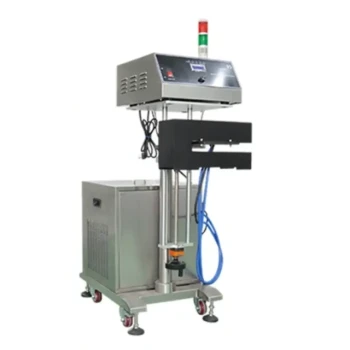
- Professional Water Cooled Induction Sealing Machine for Bottles and Containers
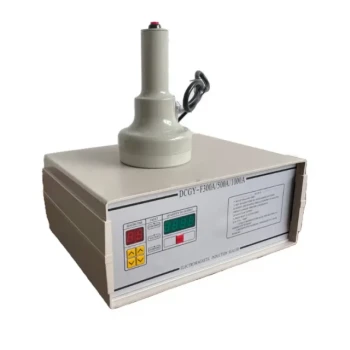
- Handheld Induction Sealing Machine for Tamper Evident Packaging
People Also Ask
- How does tamper-evident sealing equipment benefit the honey trade? Ensure Product Integrity and Market Trust
- What is the function of an induction sealing machine in packaging? Secure Your Brand with Tamper-Evident Seals
- How does an induction sealing machine work? Enhance Honey Packaging with Hermetic Seals & Tamper Evidence
- What is an induction sealing machine and how does it work? Achieve Airtight, Tamper-Evident Seals
- How does the induction sealing process work? Create Tamper-Evident, Airtight Seals for Your Products