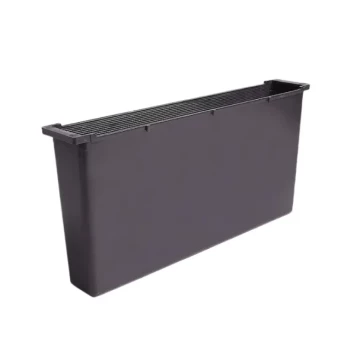
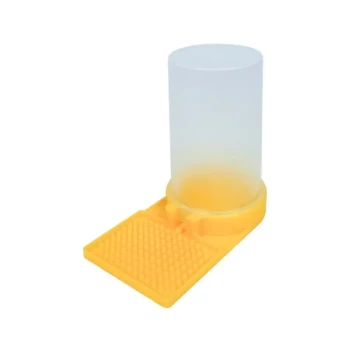
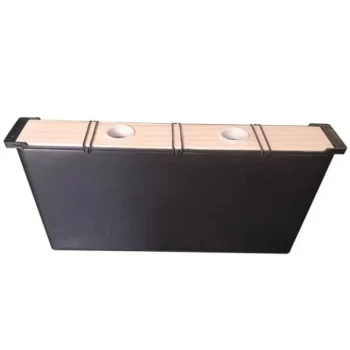
Internal feeders serve as a critical life-support system for Melipona subnitida colonies during the resource-scarce dry season. By providing a controlled supply of syrup directly within the hive, these devices compensate for the lack of natural nectar while strictly limiting access to the specific colony being managed. This internal placement is essential for maintaining colony health without triggering competition or attracting pests.
Internal feeding is not just a survival tactic; it is a strategic investment in future yield. By maintaining colony strength during the dry season, beekeepers ensure their hives are primed for immediate, high-performance foraging as soon as the rainy season begins.
Nutritional Support and Colony Health
Compensating for Environmental Scarcity
During the dry season, natural nectar sources for Melipona subnitida disappear. Internal feeders bridge this nutritional gap by delivering a controlled supply of syrup. This ensures the bees have the energy required to maintain basic metabolic functions and hive temperatures despite the lack of external forage.
Strengthening Population Resilience
The goal of this supplemental nutrition is to prevent the population decline that typically accompanies food shortages. By keeping the colony well-fed, the overall health of the hive is preserved, preventing the colony from dwindling to a point where recovery is difficult.
Protection and Biosecurity
Preventing Resource Competition
Food scarcity often drives aggressive behavior in bee populations. Internal feeders offer a distinct advantage by keeping the food source inside the hive structure. This ensures the syrup is only accessible to the target colony, preventing "robbing" scenarios where stronger neighboring colonies attack to steal resources.
Mitigating Pest Attraction
Exposed food sources are a beacon for pests. By placing the feed internally, beekeepers significantly reduce the risk of attracting ants and other pests that could otherwise invade and destroy a weakened colony.
Economic Impact on Honey Production
Accelerating Seasonal Transitions
A colony that merely survives the dry season often spends the first part of the rainy season recovering. In contrast, colonies supported by internal feeders remain robust. This allows them to transition quickly into high-productivity states immediately upon the arrival of the rainy season.
Maximizing Annual Yield
Because the colony does not lose time rebuilding its population, it can take full advantage of the early blooms. This efficiency directly correlates to an increase in the total annual honey yield, making internal feeding a vital practice for production-focused beekeeping.
Strategic Considerations
The Necessity of Controlled Intervention
While internal feeders provide significant benefits, they represent an active management strategy. The reference highlights that the supply must be controlled, implying that the beekeeper must actively monitor intake to ensure it balances the deficit without overfilling, which requires consistent attention compared to passive management.
Making the Right Choice for Your Goal
To maximize the effectiveness of your Melipona subnitida management, consider your primary objectives:
- If your primary focus is Colony Survival: Prioritize internal feeders to provide exclusive nutrition that prevents starvation while shielding the hive from pests and aggressive competitors.
- If your primary focus is Honey Production: Utilize internal feeding to maintain peak population levels, ensuring the colony is ready to harvest nectar the moment the rainy season starts.
By securing the colony's health during the dry season, you convert a period of vulnerability into a foundation for maximum productivity.
Summary Table:
| Feature | Impact on Colony Maintenance | Primary Benefit |
|---|---|---|
| Nutritional Support | Replaces scarce natural nectar with controlled syrup | Prevents population decline and starvation |
| Internal Placement | Limits access to the specific target colony only | Prevents robbing and competition from other bees |
| Pest Mitigation | Keeps food sources concealed within the hive | Reduces attraction of ants and external predators |
| Economic Efficiency | Eliminates recovery time after the dry season | Maximizes annual honey yield and foraging readiness |
Maximize Your Apiary’s Potential with HONESTBEE
Ensure your colonies thrive year-round with professional-grade solutions from HONESTBEE. As a premier partner for commercial apiaries and distributors, we provide a comprehensive wholesale range of beekeeping tools, specialized machinery, and essential consumables.
Whether you need precision honey-filling machines to process your harvest or high-quality hive-making equipment to scale your operations, HONESTBEE delivers the hardware and industry expertise you need to succeed.
Ready to elevate your honey production? Contact us today to explore our wholesale offerings and see how our tailored equipment solutions can drive your business growth.
References
- Sheina Koffler, Rodolfo Jaffé. Temporal Variation in Honey Production by the Stingless Bee Melipona subnitida (Hymenoptera: Apidae): Long-Term Management Reveals its Potential as a Commercial Species in Northeastern Brazil. DOI: 10.1093/jee/tov055
This article is also based on technical information from HonestBee Knowledge Base .
Related Products
- Professional In-Hive Bee Feeder HONESTBEE Frame for Beekeeping
- White Plastic 0.5L Beekeeping Entrance Feeder for Bees
- HONESTBEE Entrance Bee Feeder Professional Hive Nutrition Solution for Beekeeping
- 3.5L Plastic Beehive Frame Feeder Deep Frame Water Feeder for In Hive Use
- In-Hive Dual Compartment Frame Bee Feeder for Targeted Colony Nutrition
People Also Ask
- When should beekeepers stop feeding their bees? Let Your Bees Tell You
- Why is the use of a beekeeping feeder for syrup supplementation important? Boost Colony Growth and Survival
- What are the common types of internal and external feeders used in beekeeping? Choose the Right Feeder for Your Hive
- What is a feeder in the context of beekeeping? Optimize Your Hive Nutrition and Growth
- How do specialized feeders contribute to effective artificial feeding? Scientific Apiary Management & Colony Health