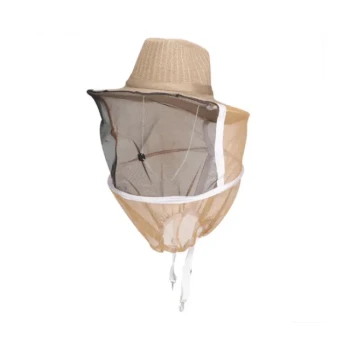
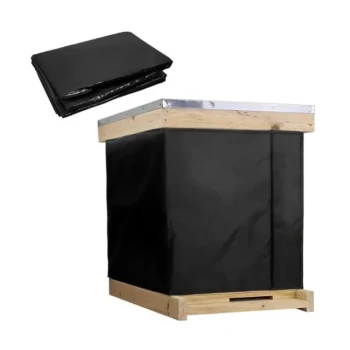
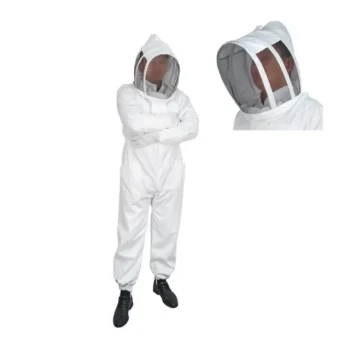
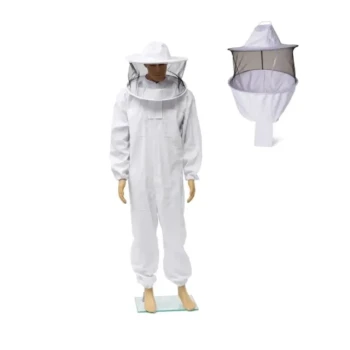
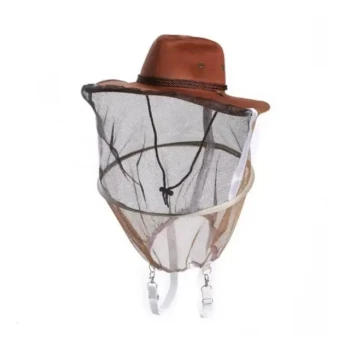
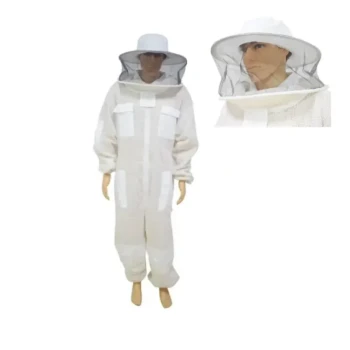
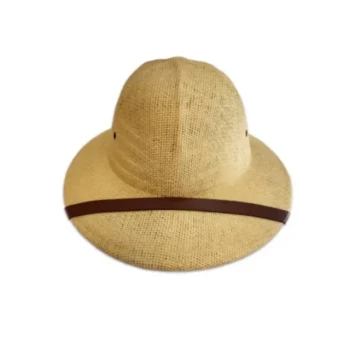
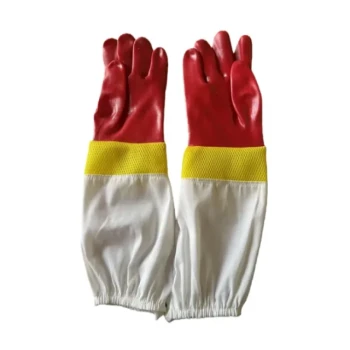
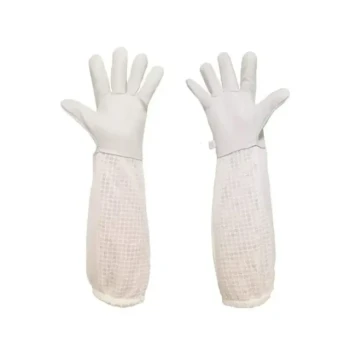
Professional protective coveralls serve a dual purpose as both a critical safety barrier and a symbol of operational authority in urban beekeeping. These specialized garments provide full-body shielding against stings during hive maintenance and public demonstrations, allowing operators to work securely in crowded environments while establishing a visual standard of professionalism.
By combining durable, breathable materials with a sealed design, these coveralls transform high-risk apiary tasks into safe, interactive educational experiences for the public.
The Mechanics of Safety and Functionality
Creating an Impermeable Barrier
The primary role of the coverall is to create a comprehensive physical shield. Constructed from durable, specialized fabrics, these suits utilize a sealed structure that prevents bees from making contact with the skin.
This isolation is essential for the operator's physical safety during routine labor, such as hive inspections or honey harvesting.
Balancing Protection with Physiology
Beyond simple shielding, professional gear is engineered for operator endurance. The fabrics used are designed to be breathable, mitigating the risk of overheating during strenuous maintenance tasks.
This breathability is vital for maintaining focus and precision, as an overheated operator is more prone to errors that could agitate the colony.
The Role in Public Engagement and Api-Tourism
Ensuring Visitor Confidence
In the context of public demonstrations or api-tourism, protective gear acts as a psychological anchor. High-quality suits and veils eliminate safety concerns, allowing visitors to observe or participate in activities like honey extraction without fear.
This perceived and actual safety is a prerequisite for the smooth execution of guided tours, enabling deep participation in the production process.
Visual Authority and Identification
Coveralls serve as a distinct visual identifier for beekeeping professionals. In an urban setting, where passersby may be unfamiliar with apiary work, the uniform signals competence and authorized activity.
This professional appearance enhances the quality of the tourism experience and builds trust between the beekeeper and the community.
Understanding the Trade-offs
Dexterity vs. Safety
While full-body coveralls provide maximum protection, they introduce a trade-off regarding tactile feedback. Thick gloves and heavy fabrics can reduce the fine motor skills required for delicate tasks, such as handling queen bees or inspecting larvae.
Operators must often choose between maximum sting prevention and the dexterity needed for intricate hive management.
Heat Management Constraints
Despite advancements in breathable fabrics, a fully sealed suit will always retain more body heat than standard clothing. In extreme summer temperatures, even high-quality gear can lead to heat stress if the operator does not manage their exposure time carefully.
Making the Right Choice for Your Goal
When selecting protective gear for urban beekeeping, align your choice with your specific operational needs:
- If your primary focus is Routine Maintenance: Prioritize breathability and durability to ensure comfort and longevity during labor-intensive hive inspections.
- If your primary focus is Public Demonstrations: Prioritize visual presentation and full coverage to reassure visitors and clearly identify staff as authoritative experts.
Professional coveralls are not just clothing; they are the enabling infrastructure that allows urban beekeeping to exist safely alongside public life.
Summary Table:
| Feature | Primary Role in Maintenance | Primary Role in Public Demonstrations |
|---|---|---|
| Physical Shielding | Protects against stings during high-risk labor | Provides a psychological safety anchor for visitors |
| Material Design | Breathable fabrics prevent heat stress during tasks | Professional appearance signals authority and trust |
| Operational Goal | Enables focus and precision in colony management | Facilitates safe, interactive educational experiences |
| Trade-offs | Balances sting protection with manual dexterity | Prioritizes full coverage to reassure onlookers |
Elevate Your Apiary’s Professional Standards with HONESTBEE
At HONESTBEE, we understand that professional gear is the backbone of a successful beekeeping operation. Whether you are managing commercial apiaries or supplying the next generation of urban beekeepers, our comprehensive wholesale offering has you covered.
We provide distributors and commercial beekeepers with top-tier protective coveralls, specialized hive-making and honey-filling machinery, and a full spectrum of essential consumables. From durable hardware to honey-themed cultural merchandise, we help you transform hive maintenance into a safe and profitable venture.
Ready to scale your business with premium beekeeping equipment? Contact our expert team today to discuss your wholesale needs!
References
- Beata Kiersnowska. Be(e)ing Involved – Urban Beekeeping as a Vibrant Environmental and Cultural Movement in British Metropolitan Communities. DOI: 10.53052/17313317.2024.20
This article is also based on technical information from HonestBee Knowledge Base .
Related Products
- Inner Beehive Cover for Beekeeping Bee Hive Inner Cover
- Beekeeper Cowboy Hat and Veil for Beekeeping
- Professional Insulated Winter Hive Wrap for Beekeeping
- Beekeeping Jacket with Hood and Veil for Beekeepers
- White Cotton Beekeeping Jacket and Veil for Bee Keepers
People Also Ask
- What is the purpose of the inner cover in a beehive? A Key to Hive Health & Easy Management
- What is the function and placement of an inner cover in a beehive? Essential Hive Management Guide
- What is the purpose of the inner and outer covers in a beehive? Essential for Hive Health & Management
- What is a beehive's inner cover and how is it used? Essential Guide for Hive Insulation and Ventilation
- What are the functions of the inner and outer covers on a beehive? Essential Guide for Hive Protection and Management