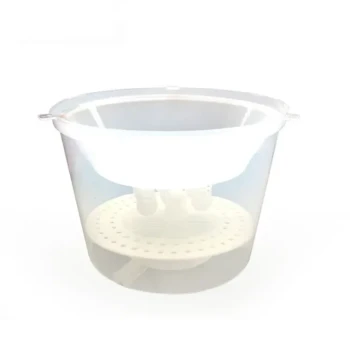
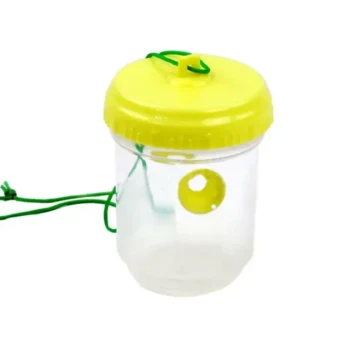
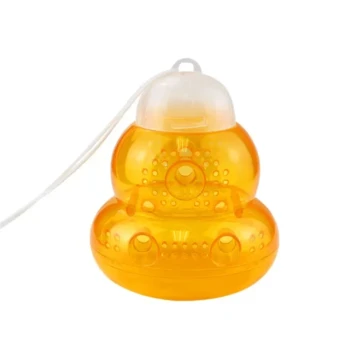
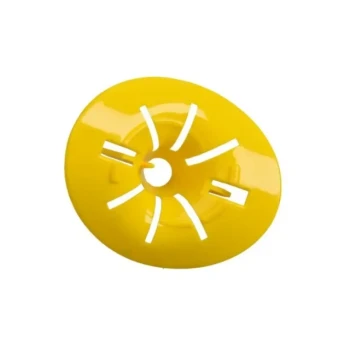
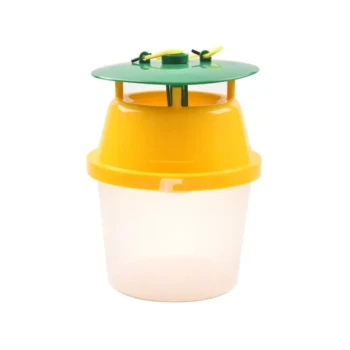
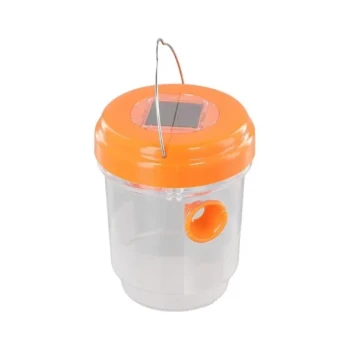
Specialized wire mesh wasp traps act as a critical defensive perimeter for apiaries. They function by reducing the density of predatory pests, specifically targeting threats like the Oriental wasp (Vespa orientalis). By utilizing chemical lures to attract these predators and a wire mesh structure to physically confine them, these devices significantly lower the overall predation pressure on bee colonies.
These traps offer a pesticide-free solution to pest management, combining biochemical attraction with mechanical isolation to protect foraging and guard bees from predation without introducing toxic chemicals to the hive environment.
The Mechanics of Capture and Defense
Biochemical Attraction
The effectiveness of these traps begins with biochemical lures. To draw pests away from the hives, the traps utilize attractants such as fermented sugar, honey, or specific pheromones.
This lures the predatory wasps into the vicinity of the trap rather than the beehive entrance.
Physical Isolation Structure
Once the pest is attracted to the device, the wire mesh structure acts as the capture mechanism. Designed to allow entry while restricting exit, the mesh creates a physical barrier that permanently isolates the wasp.
This mechanical approach eliminates the pest from the environment without requiring direct human intervention for every capture.
Strategic Perimeter Placement
For maximum efficacy, these devices should be placed around the perimeter of the apiary.
This creates a defensive buffer zone that intercepts hornets before they can reach the colonies, effectively decreasing the total number of active predators in the immediate area.
The Strategic Benefit for the Apiary
Reducing Predation Pressure
The primary goal of these traps is to lower the density of pests in a specific area. By removing active hunters from the population, the traps reduce the frequency of attacks on the hive.
This relieves stress on the colony’s guard bees and ensures safer passage for foraging bees returning with nectar and pollen.
Avoiding Chemical Contamination
A distinct advantage of wire mesh traps is that they operate without chemical pesticides.
Because the mechanism relies on physical capture rather than toxicity, there is zero risk of contaminating the honey harvest or accidentally poisoning the very bees the beekeeper is trying to protect.
Understanding the Trade-offs
Dependence on Lure Maintenance
The system is only as effective as the attractant used. If the fermented sugar or pheromone lures dry out or lose potency, the trap becomes a passive object that offers no protection.
Regular monitoring is required to replenish lures and dispose of trapped pests to maintain the trap's efficiency.
Species Specificity
While designed for wasps, the use of broad-spectrum attractants like honey or sugar requires careful management.
Beekeepers must ensure the trap design and lure placement are optimized to target pests specifically, minimizing the risk of accidentally trapping non-target insects.
Integrating Traps into Your Management Plan
Wire mesh traps are not a "set and forget" solution, but a precise tool for biological control.
- If your primary focus is organic integrity: Rely on these traps to control pest density without compromising your chemical-free certification.
- If your primary focus is colony defense: deploy these traps along the apiary perimeter during peak wasp season to reduce the load on your guard bees.
By balancing attraction with isolation, you create a safer environment that allows your colonies to focus on production rather than survival.
Summary Table:
| Feature | Benefit for Apiary Management |
|---|---|
| Mechanism | Biochemical lures combined with physical wire mesh isolation |
| Pest Control | Reduces predation pressure from Oriental wasps and hornets |
| Chemical Impact | Pesticide-free solution; zero risk of honey contamination |
| Strategic Use | Perimeter placement creates a defensive buffer zone |
| Sustainability | Safe for organic beekeeping and chemical-free certifications |
Secure Your Apiary’s Success with HONESTBEE
Protecting your commercial apiary requires high-quality, reliable equipment that ensures colony survival and honey purity. At HONESTBEE, we specialize in providing commercial apiaries and distributors with a comprehensive range of beekeeping tools, specialized machinery, and essential consumables.
From advanced hive-making and honey-filling machines to durable pest management solutions, our portfolio is designed to enhance your operational efficiency and harvest quality. Contact us today to learn how our wholesale offerings can strengthen your business and safeguard your bees.
References
- Mohamed S. Younis. New technique for protecting honey bee colonies from oriental wasp (Vespa orientalisL.) attacks at Dokki region, Giza, Egypt.. DOI: 10.21608/assjm.2016.104128
This article is also based on technical information from HonestBee Knowledge Base .
Related Products
- Professional Multi-Component Bucket Wasp Trap
- Compact Multi-Funnel Hanging Wasp Trap
- Gourd Shaped Hanging Wasp Trap Professional Wasp Catcher
- Reusable Wasp Trap Bottle Converter
- Professional Bucket Style Wasp and Moth Pheromone Trap
People Also Ask
- How do professional wasp traps function? Master Physical Control of Oriental Hornets to Protect Your Apiary
- What are the practical advantages of using professional wasp traps and protective equipment in apiary management? Scale Up
- Why replace sugar syrup bait in wasp traps every three days? Ensure Maximum Attraction and Catch Rates
- How can commercial apiary operators mitigate wasp predation around hives using specialized trapping equipment? Effective strategies for wasp control
- What is the primary function of specialized traps used to defend against wasps? Protect Your Hive and Queen Today