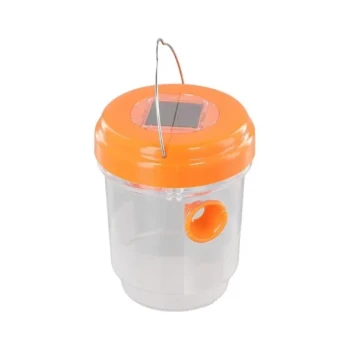
The primary function of specialized traps is to drastically reduce the density of predatory wasps and wild bees that threaten honeybee colonies. These devices utilize specific baits and one-way entry structures to physically capture and eliminate invaders before they can infiltrate the hive.
Specialized traps act as a defensive perimeter for the apiary, lowering predator numbers to prevent queen assassination and resource theft, thereby ensuring production safety and ecological balance.
The Mechanics of Hive Defense
Targeted Attraction and Containment
The core effectiveness of these traps lies in their design. They rely on specific baits to lure predators away from the hive and into the trap.
Once the predators approach, one-way entry structures ensure they can enter the device but cannot exit. This mechanism physically removes the threat from the environment without requiring direct intervention inside the hive.
Reducing Predator Density
The immediate goal is not just to catch a single insect, but to significantly lower the overall density of predators surrounding the apiary.
By thinning the population of aggressive wasps and wild bees, the pressure on the honeybee colony is relieved. This allows the colony to focus on foraging and maintenance rather than constant defense.
Protecting Critical Colony Assets
Safeguarding the Queen
One of the most severe threats posed by these invasions is the potential killing of the honeybee queen.
Without the queen, the colony's viability collapses. Specialized traps intercept these assassins before they can reach the heart of the hive.
Preventing Resource Theft
Predators often invade hives to steal honey stores, depleting the colony's winter reserves and harvestable product.
By eliminating these thieves at the perimeter, the traps ensure that the colony's production safety is maintained and resources remain available for the bees.
Understanding Operational Factors
Dependence on Bait Specificity
The success of these traps is entirely dependent on the use of specific baits.
If the bait does not effectively mimic the attractants found in the hive, predators may bypass the trap and target the colony directly.
Physical Maintenance
As physical control devices, these traps require monitoring.
To remain effective, they must be cleared of captured predators and re-baited regularly to ensure the one-way entry structures remain accessible and the lure remains potent.
Strategies for Apiary Protection
If your primary focus is Colony Survival:
- Deploy traps to reduce predator density specifically to prevent the assassination of the queen.
If your primary focus is Production Yield:
- Utilize these devices to intercept predators attempting to steal honey stores, ensuring your harvest remains intact.
Effective apiary defense relies on reducing the threat level at the perimeter to maintain a balanced and safe ecosystem for your bees.
Summary Table:
| Feature | Function & Purpose | Impact on Apiary |
|---|---|---|
| Specific Baits | Lure predatory wasps/wild bees away from the hive | Reduces immediate predatory pressure |
| One-Way Entry | Physically capture and contain invaders | Permanently removes threats from the environment |
| Colony Defense | Protect the honeybee queen from assassination | Ensures long-term colony viability and survival |
| Resource Security | Prevent theft of honey and pollen stores | Safeguards production yield and winter reserves |
Secure Your Apiary with HONESTBEE Professional Solutions
Protect your commercial colonies from devastating losses with HONESTBEE. As a premier provider for commercial apiaries and distributors, we offer a comprehensive wholesale range of specialized traps, beekeeping machinery, and essential consumables designed to neutralize predator threats and boost your production efficiency.
From advanced hive-making technology to robust predator control tools, our portfolio is engineered to support your business growth and ecological balance.
Ready to upgrade your apiary's defense? Contact HONESTBEE today to discuss our wholesale offerings and how we can support your beekeeping success.
References
- Alla Cherep, D Zabelina. CRISIS MANAGEMENT: BEE BUSINESS. DOI: 10.32752/1993-6788-2024-1-272-154-162
This article is also based on technical information from HonestBee Knowledge Base .
Related Products
- Gourd Shaped Hanging Wasp Trap Professional Wasp Catcher
- Professional Multi-Component Bucket Wasp Trap
- Professional Bucket Style Wasp and Moth Pheromone Trap
- Compact Multi-Funnel Hanging Wasp Trap
- Solar Powered LED Wasp Trap
People Also Ask
- How do professional wasp traps function? Master Physical Control of Oriental Hornets to Protect Your Apiary
- What are the practical advantages of using professional wasp traps and protective equipment in apiary management? Scale Up
- Why replace sugar syrup bait in wasp traps every three days? Ensure Maximum Attraction and Catch Rates
- What role do specialized wasp traps play in wasp control? Enhance Apiary Security and Pest Monitoring
- How can commercial apiary operators mitigate wasp predation around hives using specialized trapping equipment? Effective strategies for wasp control