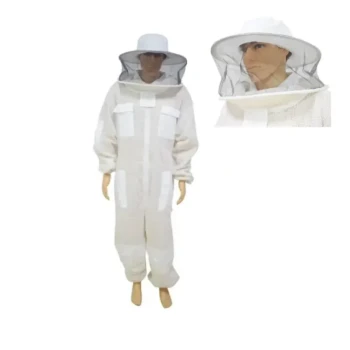
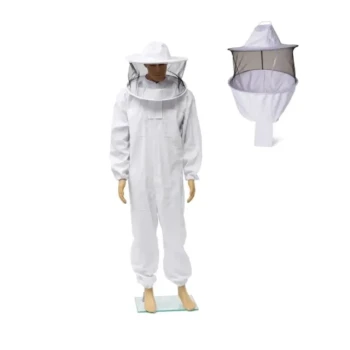
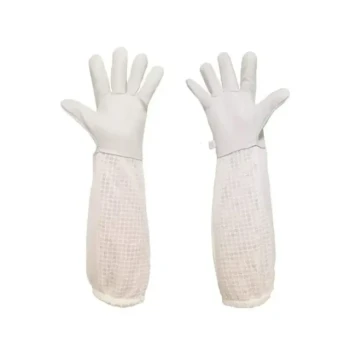
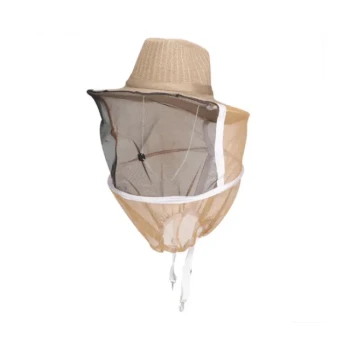
Full bee suits improve sting protection, but they also create heat, mobility, and visibility hazards. Plan apiary access so workers can move safely in bulky clothing, provide shade and hydration, use a properly sealed and well-fitted suit, and remove protective gear only well away from active hives.
The safest protective suit is part of a complete apiary system—not a standalone solution. Combine breathable, light-colored, gap-free equipment with shaded hive placement, safe lifting routes, heat-management procedures, and disciplined suit removal.
Reduce Heat and Environmental Stress
Treat heat exhaustion as a primary hazard
Full protective suits can quickly cause thermal exhaustion, particularly during warm, sunny weather. Workers should take regular breaks, drink water, monitor one another for dizziness or confusion, and stop work if heat-related symptoms appear.
Light-colored or white fabric generally reflects more sunlight than dark fabric and makes bees easier to see on the suit. However, color does not replace ventilation, hydration, shade, or appropriate scheduling.
Use shade without obstructing hive access
Whenever practical, position hives where workers can stand under deciduous shade while inspecting colonies. This improves comfort and reduces heat load while preserving sufficient access for routine management.
The site should still provide stable footing, adequate working room, drainage, and unobstructed flight paths. Shade should not force workers into cramped spaces or make the hive difficult to approach.
Schedule work around conditions
Avoid intensive inspections during the hottest part of the day when possible. High temperatures, direct sun, heavy supers, and a fully enclosed suit can combine to create a much greater risk than any one factor alone.
Prevent Falls and Handling Injuries
Design safe access routes
Hives should not require access through steep ladders, fire escapes, narrow hatches, or similarly restricted routes. Carrying heavy honey supers while wearing a veil, gloves, and bulky clothing significantly increases the chance of a fall.
Provide level approaches, stable hive stands, and enough clearance for workers to turn and set equipment down safely.
Control the weight of hive components
Honey supers can weigh approximately 40–100 pounds (18–45.4 kg). Use hive stands that raise the working height to roughly 0.6–1.2 meters, where appropriate, to reduce excessive bending.
Lift with the legs, keep the load close to the body, and avoid twisting while transferring boxes. Use a second worker or mechanical assistance when the load, footing, or visibility makes solo handling unsafe.
Preserve mobility
A suit should be roomy without being excessively loose. Tight fabric can restrict movement and stretch across the body, potentially reducing sting resistance; excessive material can snag on equipment or interfere with footing.
Before entering the apiary, check that zippers, cuffs, gloves, boots, and veil attachments do not impede walking, lifting, or safe use of tools.
Select Equipment That Maintains a Reliable Barrier
Choose smooth, light-colored fabric
Smooth outer fabric helps prevent bees from becoming caught in the material. Light colors, particularly white, are commonly preferred because they reflect heat and make clinging bees easier to identify.
Avoid coarse animal-fiber accessories such as wool or leather around colonies, as retained odors and animal scents may contribute to defensive behavior.
Seal the head and neck completely
Use a fully integrated hat-and-veil system with a veil that remains well away from the face. This protects the eyes, ears, mouth, and neck while reducing the chance of a sting through contact with the mesh.
The veil should connect securely to the suit, preferably with a reliable zipper or equivalent closure. Inspect the connection before every use because even a small gap can allow bees inside.
Close wrists and ankles
Elasticated or adjustable closures at the wrists and ankles prevent bees from crawling into the suit. Sleeves should be secured inside protective gloves, and trouser legs should be tucked into tall boots, such as rubber boots.
This is especially important when moving frames or boxes, because bees that fall to the ground may otherwise crawl upward inside the clothing.
Protect the Apiary and Its Operators
Work calmly around defensive bees
Bees may continue hovering around a worker after hive manipulation. Avoid sudden swatting, running, or flinching, particularly near the veil, because abrupt movement can increase handling errors and stress.
Calm, deliberate work protects the operator and reduces unnecessary disturbance to the colony. Good protective equipment supports this control, but it does not eliminate the need for appropriate colony-management practices.
Create a post-inspection safety zone
Workers should move well away from the hives before removing veils, gloves, or suits. Thoroughly brush or inspect the suit for remaining bees before taking it off.
Check for flying bees before entering vehicles, buildings, or other enclosed spaces. This prevents trapped bees from stinging workers or other people away from the apiary.
Plan for sting and allergy emergencies
A commercial apiary should maintain a clear procedure for stings, allergic reactions, communication, and access to medical assistance. Workers should know where first-aid supplies are located and should not work alone when the site, colony temperament, or medical risk warrants additional supervision.
Maintain Equipment Without Creating Secondary Exposure
Inspect before every use
Check the fabric, seams, veil mesh, zippers, elastic cuffs, gloves, and boots for tears or openings. Repair or replace damaged equipment immediately rather than relying on clothing layers to compensate for a failed barrier.
Pay particular attention to areas that stretch during bending or lifting, since these may open gaps when the worker is in motion.
Clean protective clothing separately
Wash bee suits and veils separately from ordinary household clothing. This helps prevent residual venom and apiary contaminants from being transferred to other garments.
Follow the manufacturer’s washing and drying instructions so that heat, chemicals, or aggressive cleaning do not damage the veil, coatings, elastic, or closures.
Store gear so it remains serviceable
Allow clothing to dry fully before storage and keep it in a clean, protected location. Damp or poorly stored equipment can develop odors, degrade, or become less comfortable and reliable during the next inspection.
Understanding the Trade-offs
More coverage can mean more heat
A full suit offers broader sting protection than a jacket, but it also increases heat retention and can make bending, lifting, and walking more demanding. Select the level of coverage according to colony temperament, task, weather, and the worker’s experience.
For high-risk operations, greater coverage may be justified; for routine work in controlled conditions, the priority remains a properly sealed system that does not compromise mobility or heat management.
Roomy does not mean poorly fitted
Loose clothing is generally preferable to tight clothing, but an oversized suit can snag on hive equipment or obscure foot placement. The correct fit leaves movement room while keeping cuffs, closures, and the veil securely positioned.
Distributors and employers should offer a range of sizes and verify that replacement components—especially veils, zippers, gloves, and cuffs—are compatible with the complete suit.
Protective clothing does not correct poor site design
A high-specification suit cannot make a dangerous access route safe. If workers must climb, squeeze through narrow openings, or carry heavy boxes across unstable ground, the layout itself must be redesigned.
The best operational result comes from treating PPE selection, apiary layout, lifting procedures, and heat controls as one safety system.
How to Apply This to Your Apiary
Select equipment and operating procedures according to the worker, task, colony, and site conditions.
- If your primary focus is sting protection: Use a full suit with an integrated, face-spaced veil, secure zippers, sealed neck coverage, and closed wrists and ankles.
- If your primary focus is heat management: Choose light-colored, breathable equipment, provide deciduous shade, schedule work during cooler periods, and enforce hydration and rest breaks.
- If your primary focus is operational safety: Place hives on stable, accessible routes that do not require ladders, narrow passages, or unsafe lifting positions.
- If your primary focus is worker mobility: Specify a roomy but controlled fit, inspect closures before each use, and use lifting assistance for heavy supers.
- If your primary focus is environmental and colony welfare: Work calmly, preserve clear bee flight paths, minimize unnecessary disturbance, and remove bees from clothing only away from the hives.
- If your primary focus is fleet or workforce readiness: Standardize inspection, separate cleaning, prompt repairs, size availability, and replacement-part support across all protective gear.
A well-designed suit protects people most effectively when the entire apiary is designed around safe movement, heat control, careful handling, and respect for colony behavior.
Summary Table:
| Consideration | Key Points |
|---|---|
| Heat Stress | Take breaks, hydrate, use light-colored breathable suits, work in shade, avoid peak heat. |
| Mobility & Falls | Ensure roomy but controlled fit, lift with legs, use hive stands, avoid restricted routes. |
| Barrier Integrity | Full coverage with sealed veil, cuffs, ankles; inspect before each use. |
| Apiary Design | Stable footing, clear flight paths, safe routes, shade that doesn't obstruct access. |
| Post-Inspection | Remove gear away from hives, check for bees, plan for emergencies. |
| Equipment Maintenance | Inspect regularly, clean separately, store properly. |
Equip your apiary with HONESTBEE's premium protective gear and beekeeping supplies. Our comprehensive range includes breathable, light-colored suits that balance comfort and protection. Plus, with our rapid delivery and dedicated support, you can ensure your team stays safe and productive. Contact us today to discuss your bulk orders or custom needs!
Related Products
- Premium Cotton Beekeeper Suit with Reinforced Fencing Veil
- Premium Three Layer Ventilated Bee Suit with Round Veil
- Professional Beekeeping Suit for Kids and Girls Childrens Bee Keeper Suit
- White Cotton Beekeeping Jacket and Veil for Bee Keepers
- Beekeeping Jacket with Hood and Veil for Beekeepers
People Also Ask
- What material and design specifications are recommended for a high-quality beekeeper suit? Top Gear Selection Guide
- How to Pre-treat Propolis Stains on Beekeeping Suits? Master Advanced Fabric Care and Soil Removal
- What features should be considered for sting protection in a beekeeping suit? Ensure Total Safety and Comfort
- What are the differences between full suits and jackets with veils in beekeeping? Choose Your Best Protection
- What features should be looked for in a beekeeping suit for maximum comfort? Prioritize Ventilation and Fit