Effective control of invasive predators like Vespa velutina requires a specialized combination of early-warning monitoring systems, targeted trapping hardware, and industrial-grade personal protective equipment (PPE). Professional apiaries must implement a multi-layered defense that integrates these tools into a standardized management process to neutralize threats before they decimate honeybee colonies. This comprehensive approach ensures both the survival of the apiary’s biological assets and the safety of the professionals managing them.
To successfully mitigate the threat of Vespa velutina, apiaries must transition from reactive measures to a proactive, full-spectrum defense strategy. For distributors and wholesalers, providing a consolidated source for both specialized monitoring tech and high-durability safety gear is essential for supporting large-scale professional operations.
Precision Monitoring and Trapping Systems
Professional-grade predator control begins with data and targeted hardware designed to intercept hornets before they reach the hive entrance.
Early Warning Monitoring Points
Monitoring devices serve as the critical first line of defense, allowing beekeepers to detect the arrival of invasive species in real-time. By deploying these points strategically, apiaries can execute manual interventions during the early stages of a hornet expansion. This proactive detection is vital for preserving the biodiversity of local native pollinators and protecting managed bee resources.
Specialized Suppression Traps
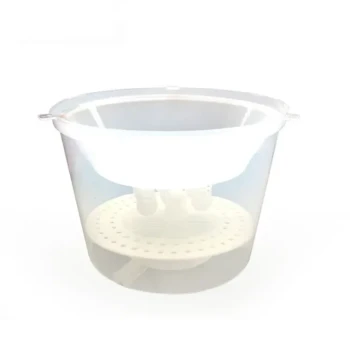
Once a presence is confirmed, targeted suppression tools are deployed to reduce predator density without harming non-target species. These traps are engineered to attract Vespa velutina specifically, preventing them from predating on foraging honeybees. High-efficiency trapping reduces the pressure on the hive, ensuring that bees can return safely from foraging missions.
Industrial-Grade Protection for High-Risk Operations
When apiaries move from monitoring to active nest removal or trap maintenance, the risk to the beekeeper increases exponentially due to the aggressive nature of the Asian hornet.
Multi-Layered Thickened Protective Suits
Standard beekeeping veils are insufficient against the long stingers and potent venom of Vespa velutina. Professional operations require specialized suits constructed from multiple layers of thickened, puncture-resistant material. These industrial-grade garments are a fundamental requirement for performing high-risk tasks such as colony inspections and close-range hornet interventions.
Ocular and Respiratory Shielding
Unlike common honeybees, Asian hornets are known to eject venom spray that can cause severe irritation or injury to the eyes and respiratory system. Advanced protective suits for hornet control feature fully enclosed headgear designed to neutralize this specific threat. Ensuring this level of safety allows apiary staff to perform essential management tasks without interruption, even in high-pressure environments.
Understanding the Trade-offs
While comprehensive predator control is necessary, it involves technical and operational balances that distributors must communicate to their clients.
Mobility vs. Protection
The thickened materials required to prevent hornet stings can significantly increase the weight and decrease the breathability of the suit. This can lead to heat exhaustion during summer months, requiring beekeepers to balance the duration of their interventions with the level of protection worn.
Trap Efficacy vs. Non-Target Impact
Passive traps must be carefully designed and baited to ensure they do not accidentally capture beneficial native insects. While high-volume trapping is effective at reducing predator numbers, it requires regular maintenance and professional oversight to ensure the local ecosystem remains balanced.
Selecting the Right Inventory Strategy
As a distributor or reseller, your ability to provide a complete, rapidly deployable solution is your greatest value proposition in the face of invasive species outbreaks.
- If your primary focus is rapid response for active outbreaks: Prioritize stocking full-spectrum kits that include both high-density suppression traps and industrial-grade PPE for immediate field deployment.
- If your primary focus is long-term apiary resilience: Focus on offering sophisticated early-warning monitoring systems and standardized regional nest removal tools that support a multi-year management strategy.
- If your primary focus is premium professional safety: Source only multi-layered, venom-shielded suits that meet industrial standards for high-risk hornet removal operations.
Equipping professional apiaries with a comprehensive, one-stop solution for predator control is the only way to ensure the long-term viability of honeybee populations in the face of invasive threats.
Summary Table:
| Category | Key Equipment | Strategic Function |
|---|---|---|
| Detection | Early-Warning Monitoring Points | Real-time detection and manual intervention during hornet expansion. |
| Suppression | Specialized Targeted Traps | Reducing predator density while protecting non-target native species. |
| Protection | Thickened Puncture-Resistant Suits | Multi-layered industrial-grade PPE for high-risk nest removal. |
| Shielding | Ocular and Respiratory Gear | Enclosed headgear to neutralize venom spray and respiratory risks. |
Secure Your Supply Chain with Professional Predator Control Solutions
Protect your clients' commercial apiaries from the growing threat of invasive species with HONESTBEE. As a leading global provider for distributors, wholesalers, and B2B resellers, we offer a one-stop sourcing solution for full-spectrum predator defense. From specialized honey-filling machinery to industrial-grade, multi-layered hornet protection suits, our portfolio covers the essential hardware needed for large-scale operations.
Why Partner with HONESTBEE?
- Comprehensive Portfolio: Access everything from specialized trapping hardware to essential industry consumables.
- Distribution Support: Benefit from competitive profit margins, OEM/ODM capabilities, and ultra-fast delivery.
- Industry Expertise: Leverage our deep professional knowledge to provide your clients with reliable, certified equipment.
- Rapid Response: Efficient order fulfillment ensuring you are ready for seasonal hornet outbreaks.
Equip your business with the best in the industry. Contact HONESTBEE today to request a wholesale quote and explore our comprehensive beekeeping catalog.
References
- Samuel Périchon, Aleksejs ZACEPINS. Perception of threats to bee colonies and the future of local beekeeping by beekeepers in various European countries. DOI: 10.25518/0770-7576.7358
This article is also based on technical information from HonestBee Knowledge Base .
Related Products
People Also Ask
- What are the practical advantages of using professional wasp traps and protective equipment in apiary management? Scale Up
- Why replace sugar syrup bait in wasp traps every three days? Ensure Maximum Attraction and Catch Rates
- What is the importance of deploying hornet traps around an apiary for maintaining colony stability? Protect Your Yields.
- What are the advantages of placing hornet traps on the tops of beehives? Maximize Hive Defense Against Predators
- What trapping methods and equipment setups protect commercial apiaries against seasonal hornet predation?