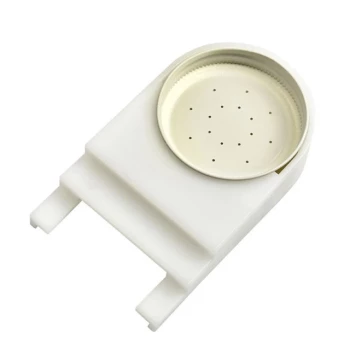
Controlled feeding stations and experimental hives serve as the fundamental hardware for ensuring data integrity in overwintering honey bee research. Technically, feeding stations isolate dietary variables by delivering precise sugar-honey ratios, while experimental hives standardize the physical environment to guarantee reproducibility during extreme meteorological stress.
The core value of these tools is the elimination of biological "noise." By standardizing diet and shelter, researchers transform a chaotic natural environment into a controlled setting, ensuring that any observed physiological changes are the result of specific experimental conditions rather than random environmental factors.
The Function of Controlled Feeding Stations
Eliminating Environmental Interference
In a natural setting, honey bees collect nectar from random, uncontrolled sources. This introduces background interference that can skew data regarding nutrition and health.
Controlled feeding stations eliminate this randomness. They prevent the colony from introducing unknown variables through natural foraging.
Ensuring Variable Singularity
The primary technical goal of these stations is to ensure the singularity of experimental variables.
By providing specific ratios of sugar-honey mixtures at strictly timed intervals, researchers can define exactly what the colony consumes. This allows for a direct correlation between diet and physiological outcomes.
The Function of Experimental Hives
Standardizing the Physical Environment
Experimental hives are designed to provide a standardized physical overwintering environment.
Unlike standard commercial hives which may vary in insulation or condition, experimental hives ensure that every colony experiences the exact same physical constraints. This standardization is critical for scientific validity.
Facilitating Stress Adaptation Studies
These hives are specifically utilized to study physiological mechanisms under local meteorological conditions.
They are essential for researching how honey bees—and specifically their intestinal microflora—adapt to low-temperature stresses. They allow for rigorous data collection even in extreme temperatures as low as -40°C.
Achieving High Reproducibility
The ultimate technical role of the experimental hive is to ensure high reproducibility.
By controlling the physical parameters of the hive, researchers ensure that experiments can be repeated with consistent results. This validates the study of complex biological processes, such as gut flora adaptation.
Understanding the Trade-offs
Ecological Validity vs. Experimental Control
While these tools provide excellent data, they create a highly artificial environment.
By eliminating random foraging, you remove the natural energy expenditure associated with flight. This means the data reflects a controlled physiological state, not necessarily the "wild" state of a foraging colony.
Complexity of Management
maintaining specific feeding ratios at timed intervals requires rigorous human intervention.
Unlike free-foraging colonies, these systems rely entirely on the researcher for sustenance. Any failure in the feeding schedule can compromise the health of the colony and the integrity of the dataset.
Making the Right Choice for Your Research
To effectively manage overwintering experiments, you must align your tools with your specific scientific inquiry.
- If your primary focus is nutritional physiology: Prioritize controlled feeding stations to ensure that every calorie consumed is accounted for and chemically defined.
- If your primary focus is cold-stress adaptation: Rely on experimental hives that standardize insulation and volume to isolate temperature as the primary stressor.
Success in overwintering research requires replacing the randomness of nature with the precision of engineered control.
Summary Table:
| Feature | Technical Role | Research Value |
|---|---|---|
| Controlled Feeding Stations | Isolate dietary variables and deliver precise sugar-honey ratios | Eliminates nutritional background noise and ensures variable singularity |
| Experimental Hives | Standardize physical insulation and volume under extreme stress | Guarantees high reproducibility and isolates physiological cold-stress responses |
| Combined System | Engineered environmental control | Transforms chaotic natural settings into high-integrity data environments |
Scale Your Research and Operations with HONESTBEE Precision Equipment
At HONESTBEE, we understand that whether you are conducting rigorous overwintering research or managing a large-scale commercial operation, the quality of your hardware determines your success. We provide a comprehensive wholesale portfolio designed for commercial apiaries and distributors, including:
- Advanced Machinery: Hive-making and honey-filling machines to streamline your production.
- Beekeeping Tools: A full spectrum of professional-grade equipment and essential industry consumables.
- Cultural Merchandise: A wide array of honey-themed goods to diversify your brand.
From experimental precision to industrial efficiency, HONESTBEE delivers the tools you need to thrive in the modern beekeeping industry.
Ready to upgrade your equipment? Contact us today for wholesale inquiries and expert support!
References
- Nannan Liu, Fenglin Li. Analysis of Diversity and Composition of <i>Apis Cerana</i> Gut Microbiome in Overwintering Period. DOI: 10.2478/jas-2023-0009
This article is also based on technical information from HonestBee Knowledge Base .
Related Products
- HONESTBEE Entrance Bee Feeder Efficient Hive Front Liquid Feeding Solution for Beekeeping
- Classic Boardman Entrance Bee Feeder Hive Front Feeding Solution
People Also Ask
- What types of bee feeders are available for beginners? Start with the Simple Entrance Feeder
- What are the advantages and disadvantages of using an entrance feeder for bees? Balance Convenience and Hive Security.
- What is a bee entrance feeder and what are its drawbacks? Essential Guide to Hive Security and Feeding Efficiency
- How does a bee entrance feeder work? A Simple Guide to Convenient Hive Feeding
- How to make an entrance feeder for bees? A DIY Guide for Safe & Effective Feeding