Supplemental feeding is a critical intervention strategy designed to sustain bee colonies during environmental deficits. Beekeepers utilize feeders to provide essential nutrition—typically sugar water or pollen substitutes—when natural resources are scarce, ensuring the hive survives through late summer dearths, arid conditions, and winter freezes.
Core Takeaway Feeders function as artificial foraging sources that bridge the gap between natural nectar flows. The effective use of these tools requires selecting a design that maximizes colony access and temperature maintenance while strictly preventing two fatal risks: bee drowning and resource robbing by competing hives.
The Strategic Purpose of Feeding
Bridging Nutritional Gaps
The primary function of a feeder is to act as a life-support system when nature fails to provide.
You must deploy feeders when natural nectar and pollen resources are scarce. This commonly occurs during the late summer "dearth" or in winter months when the colony cannot forage.
Mitigating Environmental Stress
In arid regions, the lack of dew and nectar forces bees to fly excessive distances for water and nutrients.
This exertion increases flight fatigue and significantly shortens the lifespan of worker bees. Providing syrup or water directly within the apiary preserves the colony's energy, allowing them to focus on reproductive activity and hive maintenance rather than exhaustion.
Classification of Feeder Mechanics
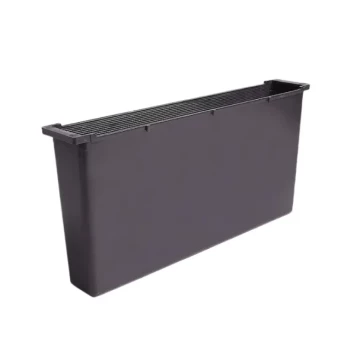
Internal Frame (Division Board) Feeders
These are specialized reservoirs designed to replace a standard frame inside the brood box.
Because they sit deep within the hive, they keep the syrup near the cluster’s heat. This makes the feed accessible even in cold weather and minimizes the scent that attracts predators.
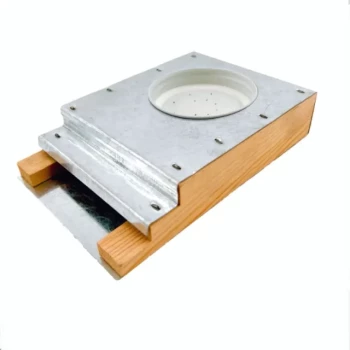
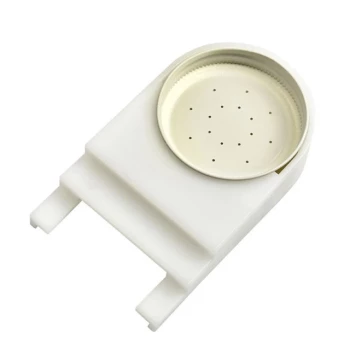
External and Entrance Feeders
External options include entrance feeders that attach to the hive opening and inverted bucket feeders placed over the hive.
Bucket feeders use small holes to allow controlled access to syrup. These are often easier to refill but are more exposed to the elements compared to internal options.
The Bag Method
For a simple, low-cost solution, beekeepers can use a sealed bag of sugar water.
The bag is laid directly across the brood frames with a small slit cut into it. This allows bees to access the liquid without requiring specialized hardware.
Critical Operational Risks
The Danger of Robbing
Introducing sugar syrup can incite a frenzy known as "robbing," where bees from other colonies attack the hive to steal food.
Division board feeders are superior for preventing this because they are internal and defendable. Leaking external feeders are a primary cause of robbing; ensuring your equipment is leak-proof is a mandatory safety step.
Preventing Drowning
Bees cannot swim; they will easily drown in liquid feed if the surface is too smooth to grip.
Scientific feeder design focuses on providing stable platforms. For improvised solutions, such as ceramic plate feeders, you must sand the surface to increase roughness, providing the necessary traction for bees to feed safely and efficiently.
Making the Right Choice for Your Goal
To select the correct feeder, you must assess the specific environmental threat your colony faces.
- If your primary focus is Cold Weather Survival: Use internal frame (division board) feeders to keep the syrup warm and accessible near the cluster.
- If your primary focus is Preventing Robbing: Avoid entrance feeders and opt for internal reservoirs that hide the scent of syrup from other colonies.
- If your primary focus is Colony Safety: Ensure all feeding surfaces are textured or sanded to provide grip and prevent mass drowning events.
The goal of feeding is never to replace nature, but to provide a secure bridge that ensures your colony reaches the next nectar flow intact.
Summary Table:
| Feeder Type | Best Used For | Key Advantage | Major Risk |
|---|---|---|---|
| Division Board | Cold weather / Winter | Keeps syrup warm near the cluster | Requires opening the hive |
| Entrance Feeder | Quick monitoring | Easy to refill and check levels | High risk of robbing |
| Bucket / Inverted | High-volume feeding | Easy to manage; controlled flow | Exposed to external temps |
| Bag Method | Low-cost emergency | Zero specialized hardware needed | Potential for mess/leaks |
| Top Feeders | Large colonies | Bulk feeding without hive disruption | Can be heavy to lift |
Secure Your Apiary’s Future with HONESTBEE
Maximize your colony's survival rate with high-performance beekeeping solutions from HONESTBEE. As a premier partner for commercial apiaries and distributors, we provide a comprehensive wholesale catalog designed to scale your operations efficiently.
Our value to you includes:
- Advanced Machinery: From hive-making to honey-filling machines for industrial growth.
- Full Spectrum Tools: A complete range of feeders, hive hardware, and protective gear.
- Industry Consumables: Every essential needed to sustain hive health through all seasons.
Whether you are stocking a distribution network or managing thousands of hives, HONESTBEE delivers the quality and reliability you need to succeed.
Contact us today to explore our wholesale offerings!
Related Products
- HONESTBEE Entrance Bee Feeder Professional Hive Nutrition Solution for Beekeeping
- HONESTBEE Entrance Bee Feeder Efficient Hive Front Liquid Feeding Solution for Beekeeping
- Professional In-Hive Bee Feeder HONESTBEE Frame for Beekeeping
- Boardman Entrance Bee Feeder Durable Galvanized Steel and Wood Construction for Beekeeping
- Professional Hive Top Bee Feeder for Beekeeping
People Also Ask
- What types of bee feeders are available for beginners? Start with the Simple Entrance Feeder
- What are the advantages and disadvantages of using an entrance feeder for bees? Balance Convenience and Hive Security.
- What is a bee entrance feeder and what are its drawbacks? Essential Guide to Hive Security and Feeding Efficiency
- How does a bee entrance feeder work? A Simple Guide to Convenient Hive Feeding
- How to make an entrance feeder for bees? A DIY Guide for Safe & Effective Feeding