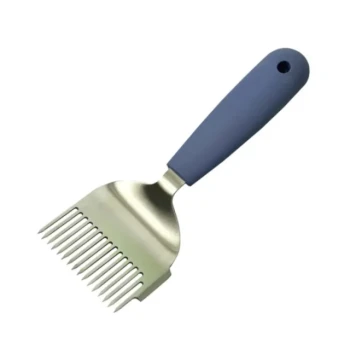
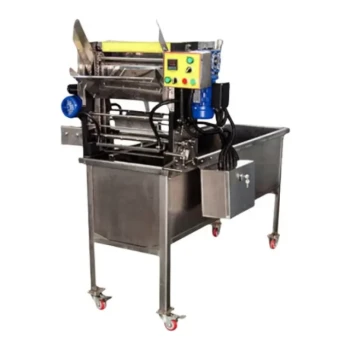
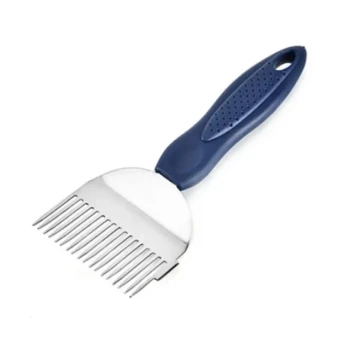
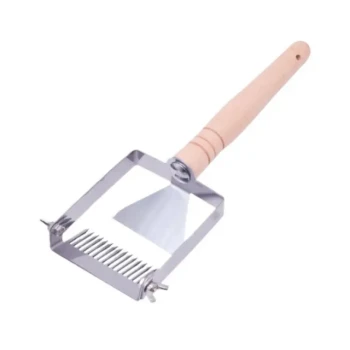
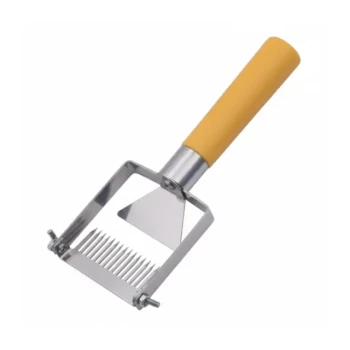
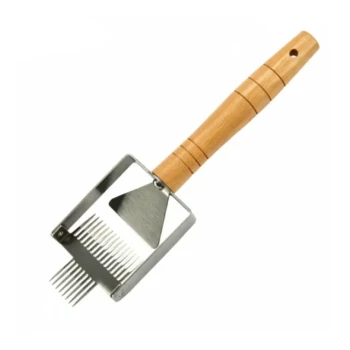
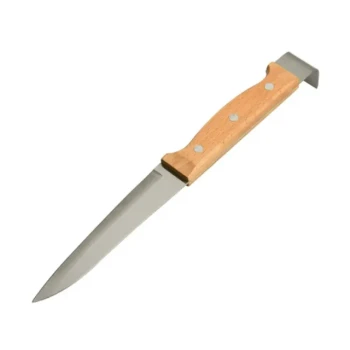
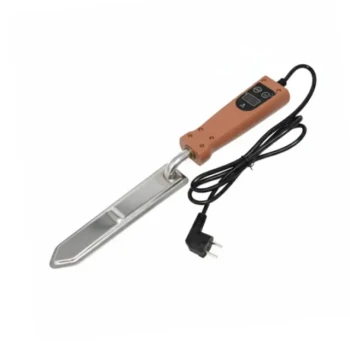
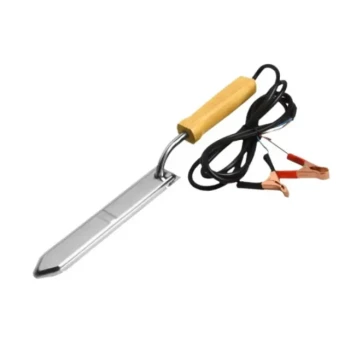
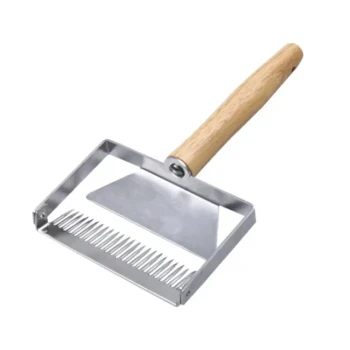
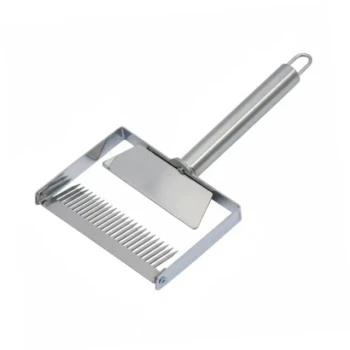
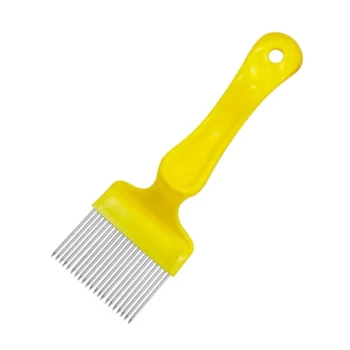
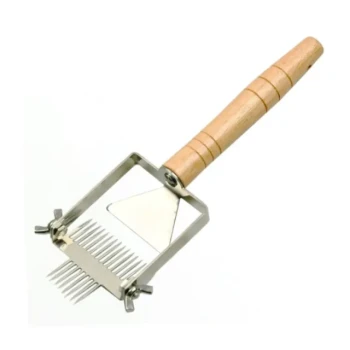
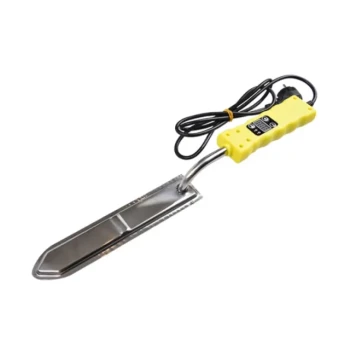
High-quality bee bread production relies on specialized equipment to ensure microbial stability, nutrient preservation, and the removal of physical and environmental contaminants. Drying equipment reduces moisture from a volatile 28% to a shelf-stable 10-15%, preventing mold and spoilage. Simultaneously, uncapping machinery removes the protective wax and honey layers, which is critical for lowering radioactive deposits and ensuring the purity required for international trade.
For distributors and wholesalers, specialized processing equipment is the bridge between a perishable raw material and a high-value, standardized commodity. By strictly controlling moisture and removing protective seals, these systems guarantee a safe, nutrient-dense product that meets the rigorous quality standards of the pharmaceutical and supplement industries.
Achieving Microbiological Stability and Shelf-Life
The Critical Moisture Reduction Process
Freshly harvested bee bread contains a high moisture level of 24% to 28%. This environment is highly susceptible to microbial spoilage and rapid mold growth, making the raw product unsuitable for long-term storage or international shipping.
Industrial-grade drying equipment reduces this moisture content to a stable target range of 10% to 15%. This stabilization allows wholesalers to maintain inventory levels without the risk of product degradation, ensuring a reliable supply chain.
Precision Temperature Regulation
The drying process must be strictly maintained at temperatures below 45°C, often targeting a constant 40°C. This level of precision is only possible through specialized convective drying plants or vacuum dryers rather than traditional sun-drying or manual methods.
High-precision thermal control ensures the bee bread remains a "living" product. By staying below these thresholds, the equipment prevents the degradation of heat-sensitive enzymes, vitamins, and antioxidants.
Preserving Bioactive Integrity for Premium Markets
Safeguarding Cardiovascular Nutrients
Bee bread is exceptionally rich in potassium and various bioactive substances that support cardiovascular health. These components are extremely sensitive to thermal stress and oxidative damage during the harvesting phase.
Using specialized processing machinery ensures these nutrients remain intact, allowing the final product to be marketed as a premium nutritional supplement. This preservation is a key differentiator for B2B resellers targeting health-conscious consumer segments.
Protecting Antioxidant Profiles
Specialized harvesting tools allow for the extraction of bee bread from the depths of honeycomb cells without crushing the granules. This physical integrity is vital for maintaining the antioxidant capacity of the product.
Efficient processing workflows minimize exposure to the open air. This rapid transition from hive to stable dry state prevents the oxidation of delicate lipids and proteins inherent in high-quality Perga.
Contaminant Removal and Safety Standards
Reducing Radioactive Deposits
Uncapping equipment is used to remove the honey and wax layers covering the surface of the bee bread. Research indicates that this physical processing effectively reduces the accumulation of radioactive deposits such as $^{137}Cs$ and $^{90}Sr$.
Optimizing the comb processing workflow can reduce contamination intensity by approximately 4% to 11%. For distributors operating in global markets, this reduction is a critical factor in meeting strict food safety regulations.
Preventing Wax and Debris Contamination
The uncapping process physically removes the protective wax seal applied by bees during lactic acid fermentation. Precision machinery ensures this layer is removed without introducing wax debris into the final sample.
Maintaining high hygiene standards through mechanical separation is essential for laboratory accuracy. Clean, debris-free bee bread ensures that subsequent chemical compositions and protein counts (typically 26% to 40%) remain consistent for B2B buyers.
Understanding the Trade-offs
Industrial Investment vs. Nutritional Loss
While manual harvesting is possible, it often leads to inconsistent moisture levels and higher contamination risks. The primary trade-off for wholesalers is the higher initial capital expenditure for industrial-grade dryers versus the risk of losing entire batches to mold.
Speed vs. Delicate Handling
Rapid drying is necessary for efficiency, but excessive airflow or speed can lead to "case hardening," where the outside of the granule dries while the inside remains moist. Sophisticated equipment manages this balance through precisely controlled airflow, ensuring uniform dryness without compromising the product's physical structure.
How to Apply This to Your Sourcing Strategy
Making the Right Choice for Your Goal
When evaluating bee bread suppliers or establishing your own processing standards, consider the following technical priorities based on your business model:
- If your primary focus is Pharmaceutical Grade Supply: Prioritize suppliers using vacuum dryers that guarantee temperatures never exceed 40°C to ensure maximum enzyme retention.
- If your primary focus is Global Export and Safety: Ensure the processing workflow includes automated uncapping to minimize radioactive isotopes and physical wax impurities.
- If your primary focus is High-Volume Wholesale: Invest in convective drying plants that offer energy-efficient moisture reduction while maintaining a stable 14% moisture target for bulk storage.
By integrating these specialized drying and uncapping standards into your quality control, you ensure a superior, market-ready product that commands premium pricing and long-term buyer trust.
Summary Table:
| Equipment Type | Primary Function | Key Technical Benefit |
|---|---|---|
| Drying Equipment | Moisture reduction (10-15%) | Prevents mold while preserving heat-sensitive enzymes and vitamins (<45°C). |
| Uncapping Machinery | Removal of wax and honey layers | Reduces radioactive deposits ($^{137}Cs$/$^{90}Sr$) and eliminates physical impurities. |
| Processing Workflow | Automated separation & stabilization | Ensures pharmaceutical-grade purity and standardized consistency for B2B trade. |
Partner with HONESTBEE for Professional-Grade Bee Bread Processing Solutions
At HONESTBEE, we understand that for distributors and commercial apiaries, precision equipment is the backbone of profitability. We provide a comprehensive, one-stop sourcing experience for all your beekeeping needs—from high-precision drying plants and automated uncapping machinery to hive-making and honey-filling systems.
Why Global Distributors Choose HONESTBEE:
- Comprehensive Portfolio: We supply the full spectrum of beekeeping tools, machinery, and essential industry consumables.
- Optimized for B2B: Benefit from rapid response times, ultra-fast delivery, and deep professional expertise that ensures your order fulfillment is seamless.
- Premium Service: We support our partners with dedicated customer service and high-performance equipment designed to meet strict international food safety standards.
Elevate your production standards and secure your supply chain with a partner that understands the nuances of the wholesale market.
Contact HONESTBEE for a Wholesale Quote
References
- H. V. Hutsol, Olga Mazur. Peculiarities of bee protein production and intensity of its contamination with 137Cs and 90Sr in the conditions of honey-growing lands of the Forest-Steppe and Polissya. DOI: 10.32782/naturaljournal.9.2024.30
This article is also based on technical information from HonestBee Knowledge Base .
Related Products
- Professional Multi-Function Uncapping Fork with Ergonomic Rubber Grip
- Automatic Honey Frame Uncapper Machine for Beekeeping
- Professional Multi-Function Uncapping Fork with Integrated Blade for Beekeeping
- Double Sided Adjustable Honey Uncapping Fork with Plastic Handle
- Portable Uncapping Tank Holder Uncapping Bench for Beekeeping
People Also Ask
- What is the primary use of an uncapping fork in beekeeping? A Guide to Precision Honey Harvesting
- What is the use of an uncapping fork? A Precision Tool for Hive Management and Honey Harvesting
- What is the original purpose of an uncapping fork? Mastering Precision Honey Extraction and Comb Preservation
- How is an uncapping fork used to uncap honey frames? Precision Techniques for Perfect Honey Extraction
- What is an uncapping fork? A Precision Tool for Efficient Honey Harvesting