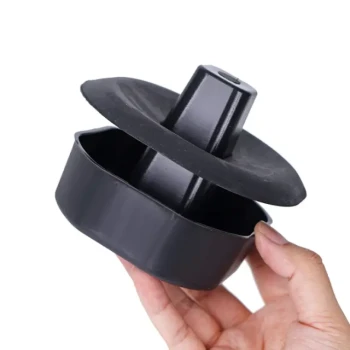
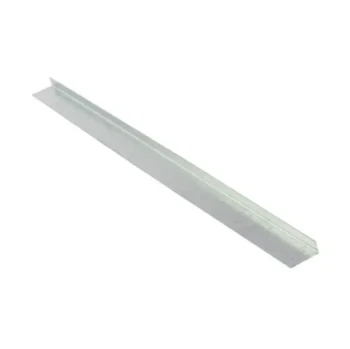
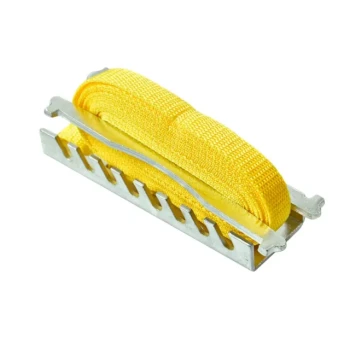
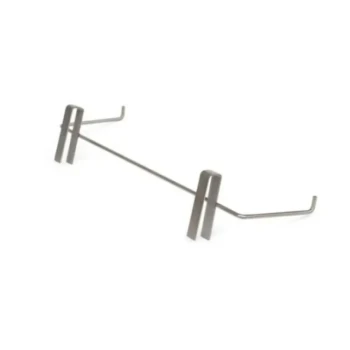
Hive stands are recommended in professional apiaries because they protect hive equipment, improve working conditions, and support a healthier colony environment. By lifting the bottom board off the soil, they reduce exposure to ground moisture, improve airflow beneath the hive, keep entrances clear, and make it easier to tilt the hive slightly forward so rainwater drains away. These benefits reduce maintenance demands while extending the service life of wooden hive components.
A hive stand is more than a support platform: it is a protective and operational component of a professional hive setup. Proper elevation helps keep the hive dry, discourages ground-level pests, improves inspection ergonomics, and supports consistent apiary management.
How Hive Stands Protect Hive Equipment
Reducing Ground Moisture
Direct contact with soil exposes bottom boards and hive bodies to persistent dampness. A stand creates a physical separation that helps reduce moisture absorption and slows the deterioration of wooden components.
Preventing Wood Rot and Decay
Long-term exposure to wet ground can cause wood to soften, rot, and lose structural strength. Keeping the bottom board elevated helps extend equipment service life and reduces the frequency of repairs or replacement.
Improving Drainage
A properly installed stand can allow the hive to sit with a slight forward tilt. This helps rainwater drain away from the entrance and reduces the risk of water pooling inside the brood chamber.
How Elevation Supports Colony Health
Improving Airflow and Internal Dryness
Space beneath the hive improves ventilation around the bottom board. A drier hive environment can reduce conditions that encourage fungal growth and help maintain better internal hygiene.
Keeping the Entrance Clear
Grass, weeds, and debris can obstruct the entrance when a hive is placed directly on the ground. Elevation keeps the entrance more accessible, supporting bee movement and making it easier for beekeepers to observe colony activity.
Creating a Pest Barrier
The separation from the ground can make access more difficult for crawling pests such as ants and termites. It may also discourage some ground-level intruders, although a stand should not be treated as a complete pest-control system.
How Hive Stands Improve Maintenance
Making Inspections More Ergonomic
Ground-level hives force beekeepers to bend or work in awkward positions during inspections. A stand raises the hive to a more practical working height, reducing physical strain and fatigue during repeated apiary tasks.
Supporting Safer Frame Handling
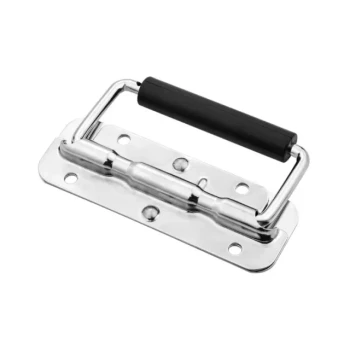
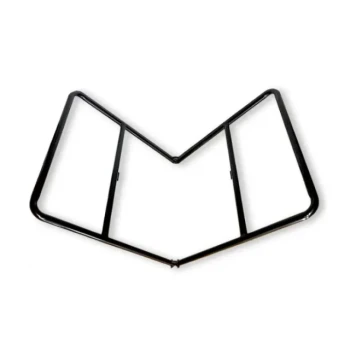
Some professional stands include additional platform space or integrated frame holders. These features provide a clean, stable location for tools or removed frames instead of placing equipment on the soil.
Improving Routine Access
A raised hive makes it easier to inspect the entrance, bottom board, and surrounding area. This allows problems involving moisture, pests, weeds, or structural damage to be identified earlier.
Why Hive Stands Matter in Professional Setups
Supporting Consistent Apiary Standards
Commercial and professional apiaries benefit from uniform hive positioning. Consistent elevation simplifies inspections, equipment handling, site maintenance, and training across multiple colonies.
Protecting the Equipment Investment
Hive bodies, bottom boards, and other wooden components represent a recurring operating cost. Durable stands help protect this investment by reducing avoidable moisture damage and extending usable service life.
Improving Operational Efficiency
A well-designed stand reduces the time required for basic maintenance and makes colony inspections more comfortable. For distributors and resellers, offering compatible stands alongside hives and accessories supports a more complete apiary equipment solution.
Matching Stand Design to Hive Requirements
Stand capacity, dimensions, stability, and weather resistance should match the hive configuration and expected load. Single- and paired-hive stands may require different structural designs, particularly when supporting heavy honey supers.
Understanding the Trade-offs
Stability Is Essential
An elevated hive is more exposed to wind and movement than a hive placed directly on the ground. Stands must be level, firmly supported, and suitable for the loaded weight of the hive.
Elevation Does Not Replace Pest Management
A stand can discourage some crawling pests, but it will not eliminate ants, rodents, skunks, or other threats. Regular site inspection and appropriate pest-management practices remain necessary.
Height Must Balance Access and Safety
A higher stand can improve ergonomics, but excessive height may make hive handling less stable and increase lifting difficulty. A practical working height should be selected based on the hive design, beekeeper needs, and site conditions.
Material Quality Affects Service Life
Untreated or lightweight materials may fail prematurely under moisture, weather exposure, and heavy hive loads. Professional applications should prioritize durable construction, secure joints, and designs suited to local environmental conditions.
Making the Right Choice for Your Goal
Select the stand as part of the complete hive system rather than as an optional accessory.
- If your primary focus is equipment protection: Choose a durable, well-drained stand that keeps wooden components away from soil moisture and supports long service life.
- If your primary focus is colony health: Prioritize stable elevation, improved airflow, clear entrance access, and reduced exposure to damp ground conditions.
- If your primary focus is beekeeper productivity: Select a working height and design that reduce bending and provide convenient space for tools or frames.
- If your primary focus is commercial apiary deployment: Standardize stand dimensions, load capacity, and construction quality across the operation for simpler purchasing and maintenance.
- If your primary focus is product sourcing or resale: Offer hive stands alongside hives, bottom boards, pest-control accessories, and inspection equipment to provide a practical one-stop solution.
A properly selected hive stand protects the apiary’s equipment, improves daily work, and creates more favorable conditions for long-term colony management.
Summary Table:
| Benefit | Description |
|---|---|
| Equipment Protection | Elevation reduces ground moisture, preventing wood rot and decay, extending hive lifespan. |
| Colony Health | Improved airflow and drainage create a drier environment, reducing fungal growth and keeping entrances clear. |
| Pest Barrier | Separation from the ground discourages crawling pests like ants and termites. |
| Maintenance Efficiency | Ergonomic working height reduces strain during inspections, and some stands offer space for tools and frames. |
| Operational Consistency | Uniform positioning simplifies management across multiple hives, important for commercial apiaries. |
| Investment Protection | Reduces costly replacements and repairs by preserving wooden components. |
Upgrade your apiary with durable, professional hive stands from HONESTBEE. Our wholesale solutions cater to commercial beekeepers and distributors, ensuring reliable supply, fast delivery, and premium quality. Whether you need stands, hives, or full apiary equipment, we are your one-stop partner. Contact us today to discuss your requirements and get a tailored quote — visit our contact form and let's build a successful partnership!
Related Products
- Metal Hive Feet Bee Hive Stand for Ant Protection
- Plastic Bee Hive Stand for Beekeeping
- Metal Bee Hive Stand Bee Box Stand for Beekeeping
- Professional Ant-Proof Beehive Stand with Integrated Moat for Beekeeping
- Plastic Bee Frame Beekeeping Hive Frames for Wholesale
People Also Ask
- What are the benefits of elevating a bee hive with a stand or base? Protect Your Colony and Your Back
- How does a beehive stand protect against predators and pests? Essential Strategies for Colony Security
- How should the height of a beehive stand be determined? Find Your Ergonomic Sweet Spot
- What to stand a beehive on? The Best Foundation for a Healthy, Manageable Apiary
- What is the best base for a beehive? Choose the Right Stand for Colony Health