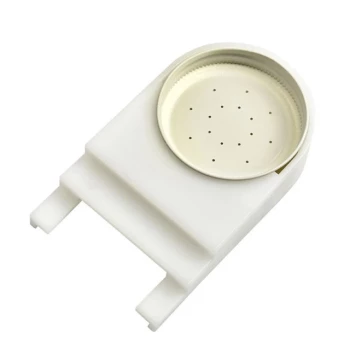
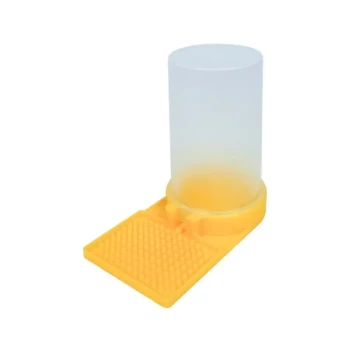
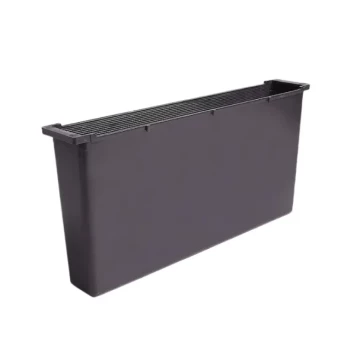
Industrial-grade Supplemental Feeding Systems are the critical failure-prevention mechanism for commercial beekeeping. These systems provide a continuous, precisely controlled energy supply to honey bee colonies when natural nectar and pollen sources are scarce. By bridging these nutritional gaps, they prevent colony collapse, stimulate the queen’s egg-laying activity, and ensure a robust foraging workforce is ready for the main honey flow.
Central Takeaway: Supplemental feeding systems transition beekeeping from a weather-dependent risk to a controlled industrial process. For distributors and wholesalers, these systems represent a core management requirement that ensures colony survival and maximizes the commercial yield of their end-users.
Preventing Colony Collapse Through Precise Nutritional Management
Bridging the "Nectar Gap"
During late winter, early spring, or periods of drought, natural nectar sources often disappear or become inaccessible. Industrial-grade feeding systems provide a reliable delivery method for sugar syrups and nutritional liquids, preventing mass starvation when colony reserves are exhausted. This continuous energy supply is the difference between a surviving hive and total colony loss.
Maintaining Colony Immunity and Resilience
Nutritional deficiency significantly increases a colony's sensitivity to environmental stressors, such as pesticides and parasites. By using standardized feeders to provide measured amounts of supplements, beekeepers maintain the bees' physical health and immune response. A well-fed colony is far more resilient against the biological pressures that lead to "absconding" or sudden collapse.
Precise Control of Energy Intake
Unlike primitive feeding methods, industrial systems allow for precise control of feed delivery. This ensures that every colony receives the exact dosage required to maintain vital life activities without waste. For the commercial beekeeper, this precision translates directly into lower operational costs and higher survival rates across thousands of hives.
Maximizing Commercial Yield and Population Stability
Stimulating Early Spring Growth
The success of a honey season depends on the colony’s ability to build its population before the nectar flow begins. Supplemental systems deliver the carbohydrates and proteins necessary to stimulate the queen bee to continue laying eggs during resource-scarce periods. This ensures a peak foraging workforce is active at the exact moment the first major blooms appear.
Ensuring Workforce Readiness
A colony that survives the winter in a weakened state cannot recover fast enough to maximize early-season honey production. Systematic nutritional supplementation ensures that brood-rearing drives remain high throughout the year. This stability in the colony population directly influences the initial honey yield and the overall quality of the production season.
Risk Resilience in Commercial Operations
For large-scale operations, supplemental feeding consumables like syrup feeders and pollen substitutes are vital reserves. They act as an insurance policy against unpredictable weather patterns that would otherwise decimate a beekeeper's assets. High-quality feeding systems enhance the overall risk resilience of a beekeeping enterprise.
Understanding the Trade-offs and Potential Pitfalls
The Risk of Feed Fermentation
While supplemental feeding is necessary, using low-quality equipment can lead to the fermentation of sugar syrups. If feeders are not designed for easy cleaning and proper hygiene, they can become breeding grounds for pathogens that harm the colony. Industrial-grade systems are specifically engineered to minimize these sanitation risks.
Over-Stimulation and Swarming
Providing too much feed too early can lead to "honey bound" hives, where the queen has no room to lay eggs because the cells are filled with syrup. This often triggers premature swarming, causing the beekeeper to lose half their workforce. Success requires a balance of expert-level knowledge and high-precision equipment to avoid over-supplementation.
Dependency and Labor Costs
Manual supplemental feeding can be incredibly labor-intensive for large-scale wholesalers and commercial apiaries. The trade-off for higher survival rates is the increased need for efficient order fulfillment and rapid deployment of feeding systems. Choosing a supplier that offers a full-spectrum product portfolio helps streamline this logistical burden.
Making the Right Choice for Your Goal
When selecting supplemental feeding solutions for your inventory or operation, consider the specific needs of the season and the scale of the apiary.
- If your primary focus is winter survival: Invest in high-capacity syrup feeders that provide a stable, long-term energy source to prevent starvation during the coldest months.
- If your primary focus is maximizing honey yield: Prioritize precision protein delivery systems that stimulate the queen and boost brood-rearing in early spring.
- If your primary focus is supply chain efficiency: Partner with a provider offering one-stop sourcing and ultra-fast delivery to ensure feeding systems are on-site before the nectar gap begins.
Reliable supplemental feeding systems are the foundation of modern, resilient beekeeping, turning environmental uncertainty into predictable commercial success.
Summary Table:
| Key Benefit | Commercial Impact | Critical Feature |
|---|---|---|
| Starvation Prevention | Eliminates mass colony loss during nectar gaps | Precise syrup/liquid delivery |
| Population Growth | Ensures peak workforce for main honey flow | Stimulates queen egg-laying |
| Immune Resilience | Higher survival against pests and pesticides | Standardized, hygienic dosing |
| Operational Stability | Transitions risk into a controlled process | High-capacity, low-maintenance design |
Scale Your Inventory with HONESTBEE’s Professional Solutions
For distributors, wholesalers, and commercial apiaries, supply reliability is the difference between profit and loss. HONESTBEE specializes in one-stop sourcing for the full spectrum of beekeeping essentials—from industrial supplemental feeding systems and hive-making machinery to honey-filling equipment and cultural merchandise.
Why Partner with HONESTBEE?
- Comprehensive Portfolio: Access everything from specialized hardware to consumables in one place.
- Built for B2B: Benefit from competitive wholesale margins, OEM/ODM support, and deep industry expertise.
- Rapid Fulfillment: Our ultra-fast delivery and efficient order processing ensure you never miss a seasonal peak.
- Exceptional Service: Dedicated support to help you select the right equipment for your target market.
Ready to enhance your product offering and guarantee colony survival for your clients? Contact us today to discuss your wholesale needs!
References
- Dennis vanEngelsdorp, Jeffery S. Pettis. A survey of honey bee colony losses in the United States, fall 2008 to spring 2009. DOI: 10.3896/ibra.1.49.1.03
This article is also based on technical information from HonestBee Knowledge Base .
Related Products
- HONESTBEE Entrance Bee Feeder Efficient Hive Front Liquid Feeding Solution for Beekeeping
- HONESTBEE Entrance Bee Feeder Professional Hive Nutrition Solution for Beekeeping
- In-Hive Dual Compartment Frame Bee Feeder for Targeted Colony Nutrition
- HONESTBEE Professional Hive Top Bee Feeder Feeding Solution
- Classic Boardman Entrance Bee Feeder Hive Front Feeding Solution
People Also Ask
- What types of bee feeders are available for beginners? Start with the Simple Entrance Feeder
- What are the advantages and disadvantages of using an entrance feeder for bees? Balance Convenience and Hive Security.
- What is a bee entrance feeder and what are its drawbacks? Essential Guide to Hive Security and Feeding Efficiency
- How does a bee entrance feeder work? A Simple Guide to Convenient Hive Feeding
- How to make an entrance feeder for bees? A DIY Guide for Safe & Effective Feeding