Industrial-grade weighing sensors are the primary data engines for modern apiculture. These high-precision instruments provide the critical mass measurements required to track nectar flow, quantify honey production, and monitor colony health in real-time. By transforming raw hive weight into actionable productivity metrics, these sensors enable commercial beekeepers to optimize yields and ensure colony survival across diverse environments.
Industrial-grade weighing sensors serve as the technical foundation for digital apiary management, allowing for the precise quantification of nectar collection, honey reserves, and population dynamics. For distributors and wholesalers, these components are essential for meeting the growing demand for precision agriculture tools that bridge the gap between traditional beekeeping and data-driven profitability.
Quantifying Productivity Through Dynamic Weight Tracking
Measuring Nectar Collection and Pollen Efficiency
Industrial sensors provide the baseline data needed to quantify the collection efficiency of a colony. By monitoring the total hive weight, managers can distinguish between the weight of the bees themselves and the incoming mass of nectar and pollen.
This data allows for a granular understanding of how much forage is being brought into the hive daily. It identifies the exact moment a nectar flow begins, enabling beekeepers to deploy additional supers (honey storage boxes) at the optimal time to maximize storage capacity.
Predicting and Standardizing Honey Yields
The use of high-precision electronic scales allows for the calculation of annual honey yields with scientific accuracy. By weighing extracted honey and comparing it to hive mass fluctuations, managers can identify high-performing colonies.
This raw phenotypic data is often converted into standardized z-scores. This allows for a fair productivity comparison across different honeybee family lines, which is essential for identifying and breeding high-yield genetic strains.
Enhancing Colony Management and Risk Mitigation
Assessing Winter Food Stores and Energy Balance
During non-foraging seasons, industrial sensors monitor weight loss curves to assess the depletion of food reserves. This ensures that managers can provide timely supplemental feeding before a colony reaches a critical starvation point.
Precise weight tracking acts as a reliable indicator of the colony's energy balance. It provides a non-invasive way to ensure the bees have enough stored energy to maintain hive temperatures throughout the winter months.
Detecting Swarming and Health Anomalies
Sudden, abnormal weight loss is often the first indicator of a swarming event, where a large portion of the population leaves the hive. Sensors provide early warnings for such events, as well as signs of disease stress or environmental adaptation issues.
By integrating these sensors into a digital management system, distributors can offer their clients a "smoke detector" for hive health. Real-time alerts allow for immediate intervention, preventing the loss of valuable livestock and future production.
Strategic Apiary and Genetic Optimization
Evaluating Land-Use and Site Selection
Weight-based measurement is a core technical indicator used to assess how specific land-use types affect nectar collection. This quantitative data helps beekeepers select the most productive apiary sites based on surrounding flora.
Comparing the weight gain of colonies in different geographical locations allows commercial operations to move hives to areas with the highest foraging capacity. This mobility-based optimization is a key driver of profit for large-scale honey producers.
Identifying Trade-offs in Commercial Management
Industrial weighing devices allow for the comparison of yield data between different management strategies. For example, beekeepers can assess if encouraging propolis collection causes a trade-off in honey production.
This level of detail enables the optimization of commercial management strategies to ensure maximum return on investment. It provides the quantitative basis required for professional beekeepers to make data-backed decisions rather than relying on intuition.
Understanding the Trade-offs and Limitations
Precision vs. Durability in Rugged Environments
While high precision is necessary for data accuracy, sensors must also be industrially rugged to withstand outdoor exposure. Sensors that prioritize sensitivity over environmental protection may fail prematurely in the field.
Distributors must balance the need for low-drift technology with the physical demands of apiary life. High-quality sensors must resist moisture, temperature fluctuations, and the corrosive nature of organic hive materials.
Data Management and Connectivity Hurdles
The value of a weighing sensor is only realized if the data is accessible. In remote apiary locations, connectivity and power consumption become significant hurdles for real-time monitoring.
Managers must consider the trade-off between frequent data transmissions and battery longevity. Successful implementation often requires a robust infrastructure that supports low-power wide-area networks (LPWAN) to ensure consistent data flow.
Making the Right Choice for Your Portfolio
How to Select Sourcing Partners for API Weighing Solutions
To effectively serve the commercial beekeeping market, distributors should focus on sourcing sensors that combine technical precision with operational reliability.
- If your primary focus is rapid market entry: Seek suppliers with ultra-fast delivery and a comprehensive, ready-to-ship product portfolio to meet immediate seasonal demand.
- If your primary focus is long-term client retention: Partner with manufacturers who offer deep industry expertise and dedicated technical support to assist with complex digital integrations.
- If your primary focus is high-volume commercial contracts: Prioritize efficient order fulfillment and one-stop sourcing capabilities to simplify the supply chain for large-scale apiary operations.
By positioning yourself as a provider of high-precision, industrial-grade weighing solutions, you empower your clients to transform traditional apiaries into highly efficient, data-driven production centers.
Summary Table:
| Application Area | Key Metric Monitored | Commercial Strategic Benefit |
|---|---|---|
| Nectar Collection | Daily Weight Fluctuations | Precision timing for adding honey supers |
| Yield Prediction | Seasonal Mass Accumulation | Scientific benchmarking for genetic selection |
| Overwintering | Rate of Food Depletion | Early intervention to prevent colony starvation |
| Health Monitoring | Sudden Mass Loss | Rapid detection of swarming or hive theft |
| Site Optimization | Foraging Efficiency | Data-backed selection of the most productive apiary sites |
Scale Your B2B Success with HONESTBEE
Elevate your wholesale portfolio with HONESTBEE, your premier one-stop sourcing partner for commercial apiaries and distributors. We provide a comprehensive, full-spectrum product range—from high-precision weighing sensors and honey-filling machines to essential industry consumables and specialized hive-making hardware.
By partnering with us, you gain access to:
- Deep Industry Expertise: Professional-grade tools tailored for data-driven apiculture.
- Rapid Fulfillment: Ultra-fast delivery and efficient order processing to meet seasonal demands.
- Premium Trading Services: Dedicated customer support and reliable supply chains designed to maximize your profit margins.
Empower your clients with the future of digital beekeeping. Contact us today to explore our wholesale offerings and professional OEM/ODM services!
References
- V.V. Ivanyshyn, A.O. Moshensky. ONTOLOGICAL STRUCTURE AND PARAMETERS OF THE APIARY CONTROL SYSTEM MEASUREMENTS. DOI: 10.32782/2663-5941/2024.6.2/08
This article is also based on technical information from HonestBee Knowledge Base .
Related Products
- HONESTBEE Collapsible Tiered Bee Swarm Catcher for Beekeeping
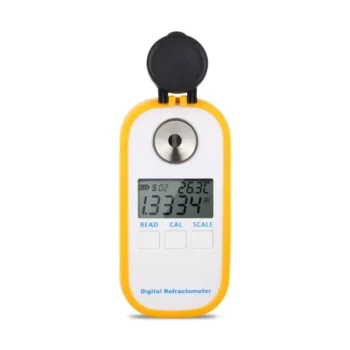
- Digital Honey Refractometer for Precision Measurement of Optimal Honey Quality
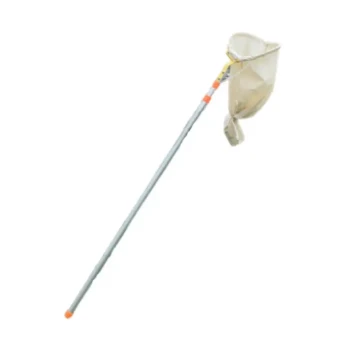
- HONESTBEE Professional Telescopic Pole Bee Swarm Catcher
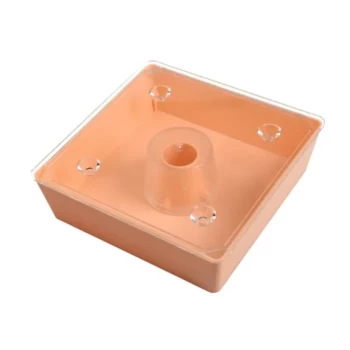
- HONESTBEE Square Top Hive Bee Feeder Top Bee Feeder
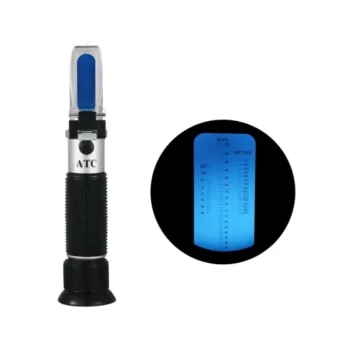
- Precision Honey Refractometer Instrument for Quality Assessment
People Also Ask
- What should be done if the swarm is situated on the bottom of a tree limb? A Guide to Methodical Bee Capture
- What role do swarm catchers play in maintaining the production scale of an apiary? Turn Colony Loss into Growth.
- What role does a Swarm Catcher play in the process of expanding apiary colony scale? Optimize Growth & Reduce Costs
- What information should be gathered before attempting to catch a swarm of bees? A Safe and Successful Guide
- What precautions can be taken to prevent a newly captured swarm from absconding? Secure Your Swarm with Proven Methods