Recycled beeswax and comb foundation are high-risk disease vectors because they can distribute persistent spores from many colonies into new hives. American Foulbrood (AFB) spores caused by Paenibacillus larvae can survive ordinary melting and be incorporated into new foundation if the wax is not processed using a validated sterilization method. The same recycling process can also concentrate fat-soluble pesticide and miticide residues.
The key control is not simply melting wax—it is validated separation, purification, and sterilization. Wax processors and commercial apiaries should use dedicated, cleanable equipment, controlled high-temperature or pressure treatment, effective filtration, contamination controls, and traceable sourcing before wax is converted into foundation.
Why Recycled Wax Can Spread Hive Disease
Mixed-apiary sourcing increases exposure
Wax consolidated from multiple apiaries combines material from colonies with different health histories. A single contaminated batch can therefore expose many otherwise healthy colonies when it is manufactured into foundation.
AFB spores survive routine melting
AFB spores are exceptionally persistent. Ordinary wax melting, straining, or foundation forming should not be treated as sterilization, because the temperatures and exposure times may be insufficient to destroy spores.
This is why contaminated wax can appear clean while still carrying an infectious risk. Once the wax is placed in a hive, bees can distribute spores through feeding, cleaning, and contact with brood material.
Foundation becomes a distribution medium
Foundation is installed directly into active colonies. If it contains viable spores, the material can introduce contamination at the point where bees build comb and rear brood.
The risk is especially serious for distributors and wholesalers because one inadequately processed production lot can affect multiple customers, apiaries, and geographic regions.
Chemical Residues Create a Second Wax-Safety Problem
Beeswax accumulates fat-soluble compounds
Beeswax is highly lipophilic, so non-volatile, fat-soluble substances can dissolve into it. Miticides and agricultural chemicals may accumulate when old brood comb and cappings are repeatedly melted and remanufactured.
Recycling can increase residue carryover
Repeated recycling does not reliably remove these compounds. Instead, contaminated wax can continue circulating through foundation production, exposing larvae, workers, queens, and drones.
Reported concerns include impaired colony development, reduced queen fertility, and reduced drone sperm quality. Disease control and chemical-residue control must therefore be managed as separate but connected quality objectives.
What Processing Standards Should Apply?
Use a validated sterilization step
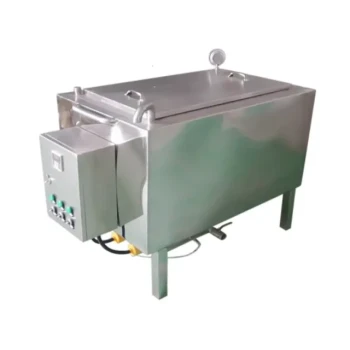
Wax processors should use equipment capable of controlled, sustained high-temperature treatment or pressure sterilization, such as suitable rendering systems or autoclaves. The process must be validated for the actual wax load, temperature, pressure, and exposure time.
Boiling alone should not automatically be described as sterilization. A processor should not claim that wax is disease-free unless the treatment has been demonstrated to inactivate relevant spores under defined operating conditions.
Separate raw and processed material
The facility should maintain a clear physical or procedural separation between:
- Incoming or suspect wax
- Wax undergoing rendering and filtration
- Processed wax
- Finished foundation
- Rejected or contaminated material
This prevents treated wax from being recontaminated by raw wax, dirty containers, tools, floors, or handling surfaces.
Use equipment designed for cleaning and inspection
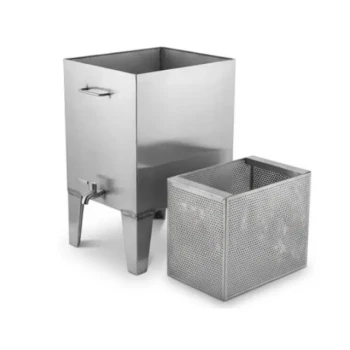
Rendering tanks, filters, settling vessels, molds, foundation mills, presses, and transfer containers should have smooth, accessible surfaces with minimal dead spaces. Equipment should be durable, corrosion-resistant where appropriate, and easy to inspect and sanitize.
Stainless steel components are particularly useful for hive tools and other equipment that requires frequent cleaning, although the material alone does not replace an effective sanitation procedure.
Apply multi-stage filtration and purification
After thermal treatment, wax should pass through suitable filtration or clarification stages to remove particulate contamination. Filtering improves physical cleanliness, but filtration alone does not reliably eliminate AFB spores or dissolved chemical residues.
Purification equipment should therefore be presented as part of a broader control system, not as a substitute for validated sterilization or responsible raw-material sourcing.
Maintain process records and traceability
Commercial processors should record the source, batch identity, processing conditions, filtration stages, equipment status, and final disposition of each lot. Traceability allows a processor to isolate affected material and respond quickly if a disease or residue concern is identified.
For B2B buyers, batch documentation and a defined complaint or recall procedure are important indicators of operational maturity.
Equipment Beyond the Wax Plant
Sanitize hive tools after suspect colonies
AFB spores can spread on hive tools, gloves, clothing, and other equipment. Tools used on infected or suspect colonies should be cleaned and sterilized before they are used elsewhere.
Durable, easy-to-sanitize tools support biosecurity, but they must be included in a documented sanitation routine.
Manage protective clothing and disposable items
Bee suits and other reusable protective wear should be washed after handling contaminated colonies. Contaminated disposable gloves should be discarded rather than transferred between colonies.
These controls reduce the chance that a processor or beekeeper will move spores from an infected hive into clean equipment or foundation-handling areas.
Treat wooden equipment as a separate high-risk category
Pre-owned wooden hive bodies, frames, and related equipment can retain AFB spores in cracks, corners, joints, and undersurfaces for extended periods. Surface cleaning is insufficient when contamination has penetrated the wood.
Suitable treatment may include thorough scorching with a flame gun without igniting the wood or wax, or complete immersion in an appropriate hypochlorite solution using a dedicated treatment tank and proper protective equipment. The chosen method must follow applicable veterinary, chemical-safety, and local regulatory requirements.
Understanding the Trade-offs
Higher processing controls increase cost
Validated sterilization, dedicated equipment, filtration, testing, documentation, and controlled storage require more capital and operating expense than basic melting and molding.
That cost is justified when the alternative is distributing contaminated foundation or triggering disease-related losses across multiple customer operations.
Heat treatment does not solve every problem
Thermal processing is directed primarily at biological contamination. It does not automatically remove all pesticide, miticide, or agricultural-chemical residues.
Wax quality programs should therefore combine careful sourcing, regular comb renewal, residue-risk management, purification, and—where appropriate—laboratory analysis.
“Recycled” is not a sufficient quality description
Recycled wax may come from relatively clean cappings, old brood comb, mixed commercial sources, or unknown origins. These materials do not carry the same disease or chemical-risk profile.
Buyers should request information about source segregation, processing parameters, contamination controls, and batch traceability rather than relying on the word “recycled.”
Overconfident disease-free claims create liability
No process claim should exceed the evidence supporting it. Suppliers should distinguish between rendered, filtered, heat-treated, pressure-sterilized, and verified material.
Clear terminology helps distributors and beekeepers make informed purchasing decisions and prevents a basic melting process from being mistaken for validated pathogen control.
How to Apply This to Your Supply Program
Select suppliers and processing partners according to the risk profile of the wax and the level of assurance required by your customers.
- If your primary focus is disease prevention: Require segregated raw materials, validated high-temperature or pressure sterilization, cleanable dedicated equipment, documented sanitation, and lot-level traceability.
- If your primary focus is chemical safety: Prioritize controlled comb renewal, source segregation, multi-stage filtration or purification, and residue-risk assessment rather than relying on heat alone.
- If your primary focus is wholesale reliability: Choose suppliers that can provide consistent specifications, rapid batch documentation, responsive technical support, and an effective nonconformance or recall process.
- If your primary focus is apiary biosecurity: Sanitize hive tools and protective wear between colonies, control woodenware carefully, and avoid introducing foundation or equipment with an unknown disease history.
A dependable foundation supply chain is built on validated processing, disciplined equipment sanitation, transparent traceability, and realistic claims—not on melting wax alone.
Summary Table:
| Risk Factor | Explanation | Control Measure |
|---|---|---|
| Mixed sourcing | Combines wax from unknown health histories | Segregate and trace raw material sources |
| AFB spores survive melting | Ordinary melting doesn't kill spores | Use validated high-temperature/pressure sterilization |
| Foundation as vector | Installed directly into hives, spreading spores | Sterilize and filter foundation |
| Chemical residues | Lipophilic wax accumulates pesticides/miticides | Multi-stage filtration and source control |
| Inadequate cleaning | Equipment can recontaminate treated wax | Use cleanable, dedicated equipment with sanitation procedures |
| Lack of traceability | Hard to isolate contaminated lots | Maintain batch records and recall procedures |
Ensure your apiary's health and productivity with HONESTBEE's premium processing equipment. Our full-spectrum product line includes validated sterilization systems, filtration units, and sanitizable hive tools designed for commercial apiaries and distributors. With rapid delivery and dedicated support, we help you maintain biosecurity and supply reliability. For B2B partners, we offer OEM/ODM support, certifications, and batch documentation to meet your quality standards. Contact us today to secure your supply chain—get in touch!
Related Products
- Manual Beeswax Comb Foundation Machine Wax Foundation Mill Embossing Machine
- Fully Automatic Beeswax Embossing Machine Foundation Mill
- Beeswax Machine Press Embosser Wax Foundation Mold Printer Bee Hive Equipment Making Sheet
- Electric Flatting and Embossing Machine with Tray for Beekeeping
- Electric Beeswax Foundation Machine With Operating Tray and Wax Foundation Roller
People Also Ask
- What are the primary technical challenges faced by beeswax foundation production machinery? Tackling Lipophilic Residues
- What are the advantages of implementing a pulley and belt drive system in beeswax foundation machinery? Master Quality.
- What role does a foundation machine play in the recycling and resource utilization of beeswax within an apiary?
- Why is the introduction of a beeswax foundation machine considered an important step in improving honey yields?
- How do beeswax foundation machines facilitate the internal recycling of beeswax? Build a Self-Sustaining Apiary