Specialized sealed sampling bags are the first line of defense in managing highly infectious honeybee diseases, specifically designed to encapsulate standard-sized brood comb samples. Their fundamental purpose is to provide absolute physical isolation, preventing the accidental release of dangerous bacterial spores or viruses during transportation while ensuring the sample remains suitable for laboratory testing.
The use of these bags bridges the gap between field collection and laboratory results: they prevent the spread of pathogens to healthy colonies while preserving the biological "snapshot" required for accurate microscopic and biochemical diagnosis.
The Biosecurity Imperative
Physical Isolation of Pathogens
The primary function of a sealed sampling bag is containment. Diseases like American Foulbrood (AFB) and European Foulbrood (EFB) are caused by pathogenic microorganisms, including resilient bacterial spores.
Without a specialized sealed barrier, these spores can escape during transport. This risks contaminating the beekeeper’s equipment, the vehicle, or even other apiaries.
Preventing Cross-Contamination
Accuracy in disease monitoring relies on the independence of every sample. Just as standardized containers prevent cross-contamination in adult bee samples, sealed bags ensure that fluids or debris from one brood comb do not contact another.
This isolation is vital for determining accurate clinical prevalence rates. If cross-contamination occurs, it becomes impossible to distinguish which specific colony is the source of the infection.
Ensuring Diagnostic Integrity
Preserving Biological Conditions
For a laboratory to confirm a diagnosis, the sample must arrive in a state that reflects its condition in the hive. Specialized bags maintain the biological integrity of the cut brood comb.
This stability allows laboratory technicians to perform valid biochemical analyses. If the sample degrades due to exposure or desiccation, the chemical markers of the disease may become undetectable.
Facilitating Microscopic Examination
Diagnosis of AFB and EFB often requires direct microscopic observation of the larvae. The bag protects the sample from external dust and debris that could obscure these observations.
Furthermore, maintaining the sample in a sealed environment helps preserve the original morphology of the larvae. This allows pathologists to identify specific clinical features and detect potential mixed infections.
Common Pitfalls and Limitations
While specialized bags are essential, they are not a cure-all for poor sampling technique.
Improper Sealing: The most common failure point is user error. If the bag is not sealed completely, the physical isolation is compromised, rendering the biosecurity measures useless.
Sample Distortion: While the bag protects the sample, it does not prevent mechanical damage if mishandled. If the comb is crushed inside the bag during transport, the morphological structure of the larvae may be destroyed, making visual diagnosis difficult.
Tool Contamination: The bag only protects the sample after it is cut. Using non-sterile cutting devices before bagging can introduce cross-contamination that the bag cannot fix. Industrial-grade cutting tools should be used alongside bags to ensure the extraction process itself is clean.
Making the Right Choice for Your Goal
When managing the sampling process for larval diseases, your approach should be dictated by your specific objective:
- If your primary focus is Biosecurity: Prioritize the seal quality of the bag to ensure zero leakage of bacterial spores or viruses during transport.
- If your primary focus is Diagnostic Accuracy: Ensure the bag is sized correctly to hold the comb without crushing it, preserving the larval morphology for microscopic analysis.
By combining proper extraction techniques with specialized containment, you ensure both the safety of your operation and the reliability of your data.
Summary Table:
| Feature | Importance in Sampling | Impact on Result |
|---|---|---|
| Physical Isolation | Prevents spore/virus leakage during transit | Protects apiary biosecurity |
| Contamination Control | Prevents cross-contact between different samples | Ensures accurate colony-specific data |
| Biological Preservation | Maintains moisture and chemical markers | Facilitates reliable biochemical testing |
| Morphology Protection | Safeguards larval structure from debris | Enables clear microscopic examination |
Secure Your Apiary with Professional-Grade Solutions
Protecting your honeybee colonies from devastating diseases like AFB and EFB starts with the right equipment. HONESTBEE provides commercial apiaries and distributors with high-quality specialized sampling tools and consumables designed to meet the strictest biosecurity standards.
Beyond sampling, we offer a full spectrum of beekeeping machinery—from hive-making to honey-filling—alongside a comprehensive wholesale portfolio of tools and industry supplies. Partner with us to enhance your operational efficiency and diagnostic accuracy.
Ready to elevate your beekeeping standards? Contact us today to explore our wholesale offerings!
References
- Desta Gemedi. Risk Factors and Symptomatic Diseases in Managed Honeybee Colonies: A Case Study from Seka Chekorsa District of Jimma Zone, Oromia, Ethiopia. DOI: 10.20431/2349-0365.0802004
This article is also based on technical information from HonestBee Knowledge Base .
Related Products
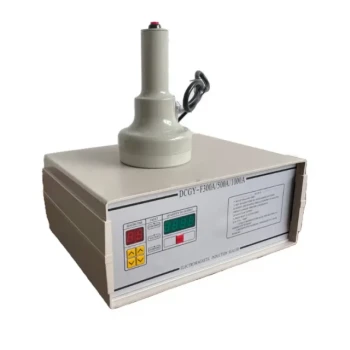
- Handheld Induction Sealing Machine for Tamper Evident Packaging
- Professional 600D Oxford Cloth Beekeeping Tool Bag with 8 Pockets and Elastic Loops
- Conical Nylon Honey Strainer Filter Bag for Beekeeping and Honey Filtration
- Plastic Transporting Bee Packages and Nuc Boxes for Beekeeping
People Also Ask
- How does tamper-evident sealing equipment benefit the honey trade? Ensure Product Integrity and Market Trust
- What is the function of an induction sealing machine in packaging? Secure Your Brand with Tamper-Evident Seals
- How does the induction sealing process work? Create Tamper-Evident, Airtight Seals for Your Products
- How does an induction sealing machine work? Enhance Honey Packaging with Hermetic Seals & Tamper Evidence
- What is an induction sealing machine and how does it work? Achieve Airtight, Tamper-Evident Seals