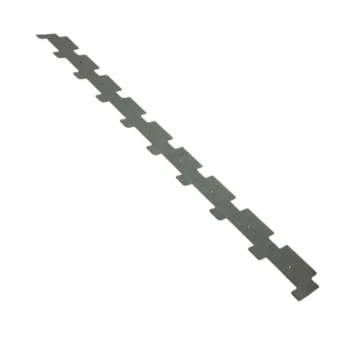
Specifically modified drone frames function as targeted biological magnets for parasites. By removing the lower section of a standard frame's foundation, beekeepers create a void that forces the colony to build natural drone-sized cells in a concentrated area. This process consolidates the drone brood—and the Varroa mites that naturally target them—into a single, manageable zone that can be physically excised from the hive.
By leveraging the Varroa mite's strong preference for drone larvae, this strategy transforms a natural biological vulnerability into a mechanical control method. It allows beekeepers to trap and remove a significant portion of the mite population without initially resorting to chemical treatments.
The Biological Principles at Play
The Parasitic Preference
Varroa mites do not target all bee larvae equally. They exhibit a significant parasitic preference for drone larvae (male bees) over worker larvae. This preference makes drone brood the ideal "bait" for a biological trap.
Exploiting Development Times
The biological driver behind this preference is the incubation period. Drone larvae require a longer development time than worker bees. This extended window allows the mites more time to reproduce within the capped cell, making drones a more distinct target for infestation.
Mechanics of the Modified Frame
Creating the Void
The specific modification involves removing the lower section of the foundation within a standard frame. This differentiates it from standard frames where the foundation covers the entire area to guide uniform worker cell production.
Inducing Drone Comb Construction
Honeybees have a natural instinct to build drone comb in open spaces that lack a restrictive guide. By providing a frame with a removed lower section, beekeepers induce the colony to fill that specific void with drone-sized cells, rather than worker cells.
Concentration of the Target
Instead of drone brood being scattered randomly throughout the hive, this modification forces the queen to lay unfertilized eggs (drones) in a concentrated, controllable area. This consolidation is essential for the efficiency of the removal process.
The Removal Strategy
The Trap Mechanism
Once the larvae in the modified section are capped, the "trap" is set. At this stage, the female mites have already entered the cells to reproduce. The capped wax seal effectively locks the parasites inside.
Physical Reduction
Beekeepers can then physically reduce mite levels by cutting out and removing the capped drone brood from the specific section of the frame. This removes the parasites before they can emerge and disperse to the rest of the colony.
Understanding the Trade-offs
The Risk of Timing
This strategy requires strict adherence to a schedule. If the drone brood is allowed to hatch, the "trap" becomes a mite breeding ground, releasing a higher population of parasites back into the hive than existed previously.
Resource Investment
Building new wax comb and rearing drone larvae requires significant energy and resources from the colony. Beekeepers must balance the benefit of mite removal against the metabolic cost placed on the hive to repeatedly rebuild the excised comb.
Optimizing Your Mite Management Strategy
To effectively utilize modified drone frames, align your approach with your management philosophy:
- If your primary focus is Chemical-Free Beekeeping: Use this method as a primary mechanical control to lower mite loads physically without introducing synthetic miticides.
- If your primary focus is Integrated Pest Management (IPM): Utilize these frames as a monitoring tool and a suppression method to delay the threshold at which chemical intervention becomes necessary.
Success with this method relies not just on the modification of the frame, but on the disciplined removal of the brood before the biological trap inadvertently releases its catch.
Summary Table:
| Feature | Drone Larvae Trapping | Worker Larvae Comparison |
|---|---|---|
| Incubation Period | Longer (approx. 24 days) | Shorter (approx. 21 days) |
| Mite Preference | High (Primary target) | Lower (Secondary target) |
| Control Mechanism | Physical excision of capped brood | Usually requires chemical treatment |
| Modification | Removed lower foundation section | Full foundation coverage |
| Outcome | Mechanical reduction of mite load | Natural colony development |
Maximize Your Colony Health with HONESTBEE Professional Equipment
Are you managing a commercial apiary or looking to expand your beekeeping distribution? HONESTBEE is your strategic partner for high-quality beekeeping solutions. From precision-engineered hive-making machines to specialized drone frames and essential industry consumables, we provide the tools you need for effective Integrated Pest Management (IPM).
Why Partner with HONESTBEE?
- Comprehensive Wholesale Catalog: Everything from heavy-duty honey-filling machinery to honey-themed cultural merchandise.
- Scalable Solutions: Tailored specifically for commercial apiaries and professional distributors.
- Industry Expertise: Our equipment is designed to support both biological control strategies and large-scale honey production.
Take your beekeeping operations to the next level. Contact us today to discuss our wholesale offerings and discover how HONESTBEE can add value to your business!
References
- Jean‐Daniel Charrière, Anna Tschan. The removal of capped drone brood: an effective means of reducing the infestation of varroa in honey bee colonies. DOI: 10.1080/0005772x.2003.11099587
This article is also based on technical information from HonestBee Knowledge Base .
Related Products
- Assembled Wooden Bee Frames with Beeswax Foundation Ready to Use by HONESTBEE
- Assembled Wooden Bee Frames with Plastic Foundation for Durability and Convenience by HONESTBEE
- Heavy Duty Castellated Iron Frame Spacer for Honey Supers
People Also Ask
- Do bee frames need foundation? Choose the Right Approach for Your Apiary
- Under what circumstances should bee frames be destroyed? Protect Your Apiary from American Foulbrood
- How should frames be rearranged as a bee colony grows? Master Hive Expansion and Nest Management
- What are bee frames and how are they sized? A Professional Guide to Standardization & Material Choice
- What types of bee frames can be cleaned and returned to service? A Guide to Safe Apiary Refurbishment