Vitamins and minerals act as essential biological catalysts within honeybee pollen supplements, driving critical processes such as cell metabolism, immune system function, and antioxidant protection. These micronutrients are included to chemically simulate the complex profile of high-quality natural pollen, ensuring the colony remains robust even when natural resources are scarce or harvested by the beekeeper.
Natural pollen sources can vary wildly in quality and availability. The core purpose of adding vitamins and minerals to supplements is to bridge the nutritional gap, ensuring continuous larval development and queen productivity regardless of environmental conditions.
The Biological Necessity of Micronutrients
Fueling Cellular Metabolism
Honeybees require specific vitamins to convert food into energy. These nutrients facilitate cell metabolism, allowing individual bees to maintain the energy levels necessary for foraging and hive maintenance.
Strengthening Immune Defense
A bee's ability to fight off pathogens relies heavily on its nutritional status. Minerals and vitamins contribute to antioxidant protection, which bolsters the immune system against stress and disease.
Supporting Vital Functions
Beyond basic energy, these micronutrients support the complex physiological machinery of the bee. Deficiencies in these areas can lead to shorter lifespans and weaker colony performance.
Simulating Nature During Scarcity
Replicating High-Quality Pollen
Concentrated supplements are engineered to mimic the nutritional profile of the best natural pollen. By including essential amino acids, vitamins, and minerals, these formulas provide a complete diet when nature cannot.
Compensating for Environmental Gaps
Bees often face periods where external nectar and pollen sources are insufficient. Supplements compensate for these environmental deficiencies, preventing colony decline during dearths.
Addressing Harvesting Impact
When beekeepers manually harvest pollen, they remove a vital protein source from the hive. Fortified supplements replace these lost nutrients, ensuring the colony does not suffer from the harvest.
Impact on Colony Demographics
Enhancing Queen Productivity
The nutritional intake of the colony directly affects the queen. A vitamin-enriched diet enhances the queen's egg-laying activity, which is the cornerstone of colony growth.
Promoting Healthy Larval Development
Larvae are highly sensitive to nutritional quality. Adequate mineral and vitamin intake ensures that developing bees mature properly, maintaining the future workforce of the hive.
Maintaining Colony Strength
The goal of supplementation is population stability. By supporting both the queen and the brood, these nutrients maintain colony strength even during challenging seasons.
Understanding the Trade-offs
Simulation is Not Duplication
While supplements are effective, they are a simulation of natural pollen. They are best viewed as a compensatory tool rather than a superior replacement for diverse, natural forage.
Dependency Risks
Reliance on supplements is necessary during scarcity. However, a diversified natural landscape remains the gold standard for long-term bee health and microbiome diversity.
Optimizing Colony Management
Effective use of pollen supplements requires timing and clear objectives.
- If your primary focus is Overwintering or Dearth Management: Provide supplements to compensate for nutritional deficiencies, ensuring the colony has the antioxidant protection needed to survive stress.
- If your primary focus is Spring Buildup: Use vitamin-fortified supplements to stimulate the queen's egg-laying and support rapid larval development before natural pollen is abundant.
Strategic supplementation transforms nutrition from a passive variable into a controlled factor for colony success.
Summary Table:
| Key Nutrient | Biological Function in Honeybees | Impact on Colony |
|---|---|---|
| Vitamins | Catalyze cell metabolism and energy conversion | Increases foraging energy and hive activity |
| Minerals | Support physiological machinery and vital functions | Extends bee lifespan and strengthens structure |
| Antioxidants | Bolster immune defense against stress/disease | Reduces colony loss during environmental stress |
| Micronutrients | Simulate high-quality natural pollen profiles | Supports rapid larval development and queen laying |
Elevate Your Apiary’s Performance with HONESTBEE
Maintaining a robust colony requires more than just basic care—it demands professional-grade nutrition and equipment. HONESTBEE provides commercial apiaries and distributors with the high-quality beekeeping tools, machinery, and consumables needed to bridge nutritional gaps and maximize honey yields.
From advanced pollen supplement processing machinery to specialized hive-making equipment, we empower your business to thrive regardless of environmental conditions.
Ready to scale your beekeeping operations? Contact us today to explore our wholesale solutions and see how our comprehensive hardware and expertise can drive your success.
Related Products
- HONESTBEE Entrance Bee Feeder Professional Hive Nutrition Solution for Beekeeping
- HONESTBEE Professional Hive Top Bee Feeder Feeding Solution
- High-Efficiency Diamond Maze Bee Escape for Clearing Supers
- Plastic Bee Pollen Trap Strips Comb Catcher Collector
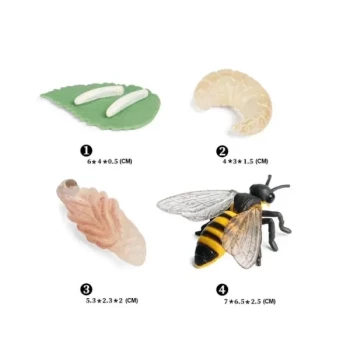
- Honey Bee Life Cycle Model 4 Stage Educational Set for Kids Learning
People Also Ask
- What types of bee feeders are available for beginners? Start with the Simple Entrance Feeder
- What are the advantages and disadvantages of using an entrance feeder for bees? Balance Convenience and Hive Security.
- What is a bee entrance feeder and what are its drawbacks? Essential Guide to Hive Security and Feeding Efficiency
- How does a bee entrance feeder work? A Simple Guide to Convenient Hive Feeding
- How to make an entrance feeder for bees? A DIY Guide for Safe & Effective Feeding