Italian honeybee colonies need more than occasional emergency feeding. Apis mellifera ligustica often continues substantial brood rearing late into autumn, even when nectar production has declined. Its relatively loose winter cluster also requires more stored honey for thermoregulation, so commercial apiaries need reliable feeders and syrup- or supplement-delivery systems to prevent starvation and preserve colony strength.
Italian bees maintain high nutritional demand precisely when natural forage becomes unreliable. Commercial operators therefore require enough feeding equipment to deliver syrup and, when necessary, protein supplements consistently across many colonies during dearths and autumn.
Why Italian Colonies Have High Feeding Requirements
Brood rearing continues late into autumn
Many Italian colonies reduce brood production slowly as nectar and pollen become scarce. The colony therefore continues feeding larvae and maintaining nurse bees after natural forage has weakened.
This creates a nutritional mismatch: brood demand remains high while incoming nectar and pollen decline. Without intervention, colonies can rapidly consume their remaining stores.
Loose winter clusters consume more honey
Italian bees typically form comparatively loose winter clusters. Maintaining the required temperature across that cluster can require substantial honey consumption during cold periods.
This means autumn feeding is not simply preparation for winter. It is often necessary to build adequate stores before winter and prevent those stores from being exhausted prematurely.
Large populations increase total consumption
A strong Italian colony may retain a large brood nest and worker population well into the season. More bees require more carbohydrate energy, while developing brood also requires protein and other nutrients.
At commercial scale, even a moderate nutritional shortfall multiplied across hundreds or thousands of colonies becomes a major operational risk.
Why Nectar Dearths Create Immediate Pressure
Natural forage can disappear quickly
Dry weather, heavy rainfall, drought, or the end of a major bloom can sharply reduce nectar and pollen availability. Rain can also prevent flight and disrupt collection even when flowers are present.
During these gaps, bees may consume stored feed faster than they can replace it. Supplemental feeding bridges the period until reliable forage returns.
Brood development depends on continued nutrition
Sugar syrup supplies carbohydrate energy, but brood rearing also depends on adequate protein. When natural pollen is insufficient, operators may use appropriate pollen substitutes or protein supplements.
The objective is not merely to keep adult bees alive. It is to maintain a viable worker population capable of supporting the colony through the next productive flow.
Starvation and absconding must be prevented
Severe feed shortages can cause colony decline, brood loss, or starvation. In some conditions, colonies may also abandon the hive in search of better forage.
For commercial apiaries, these outcomes carry both biological and financial costs: lost colonies, reduced pollination capacity, weaker honey production, and increased recovery labor.
Why Commercial Apiaries Need Substantial Equipment
Feeding must be delivered across many colonies
A hobbyist may feed a few hives manually. A commercial operator must service large numbers of colonies quickly, repeatedly, and with consistent quantities.
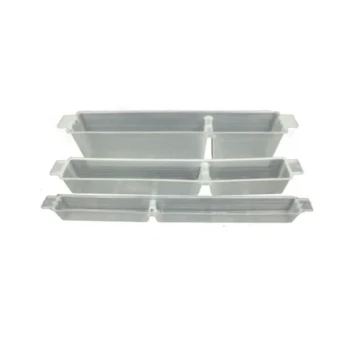
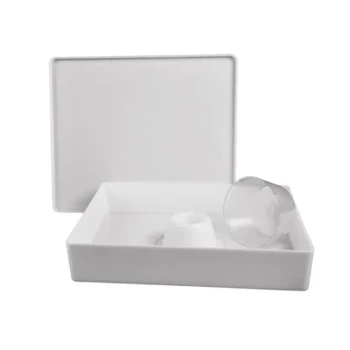
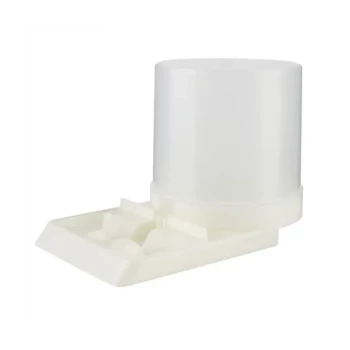
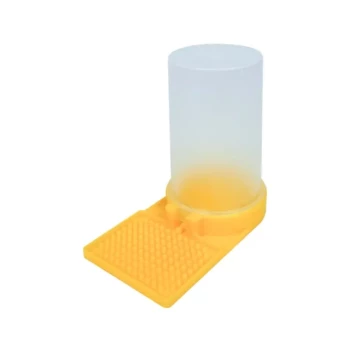
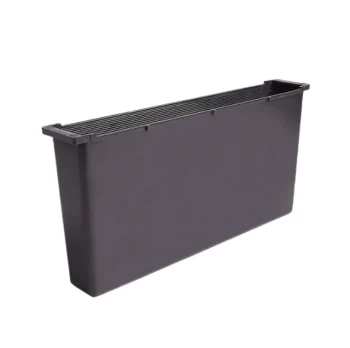
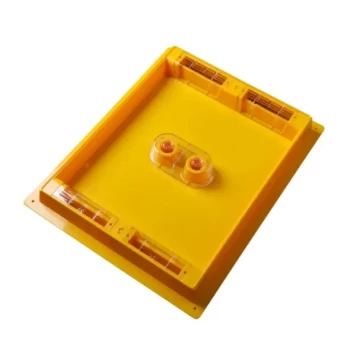
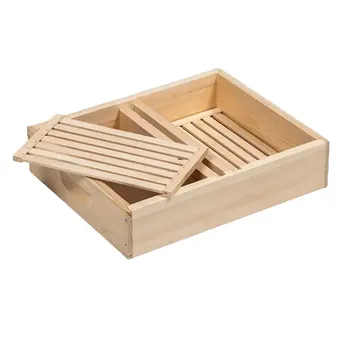
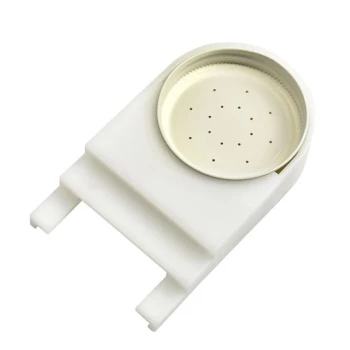
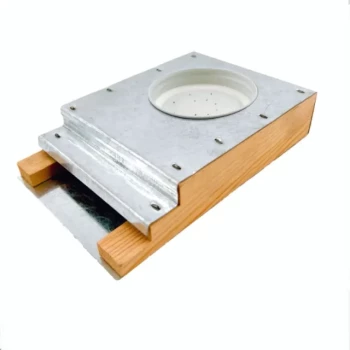
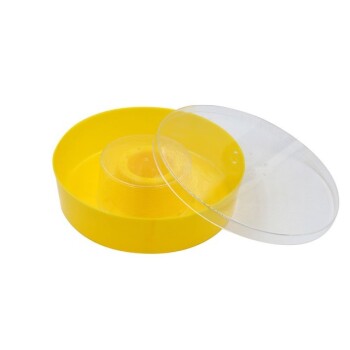
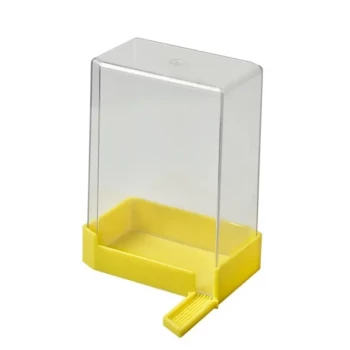
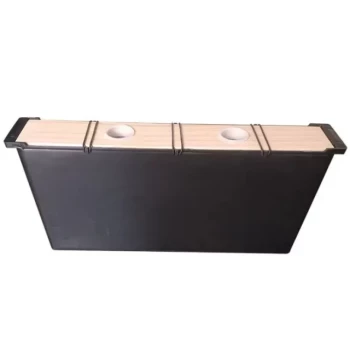
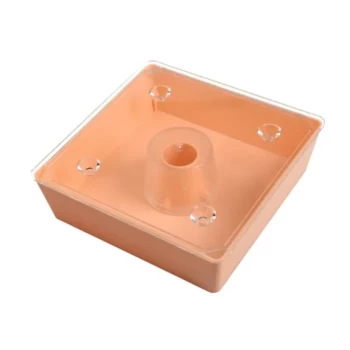
That requires an equipment portfolio that can include division-board or frame feeders, top feeders, entrance feeders, transport containers, syrup pumps, mixing systems, and distribution machinery, depending on the apiary’s scale and management method.
Feeding must be measured and repeatable
Uncontrolled feeding can create waste, robbing, uneven colony development, and excessive labor. Commercial systems are valuable because they help operators deliver predictable amounts while reducing handling time.
Consistent delivery also makes it easier to monitor consumption and identify colonies that are unusually weak, diseased, queenless, or unable to access feed.
Equipment must support different feed types
Carbohydrate feeding generally uses sugar syrup, while protein support may require pollen substitutes or other formulated supplements. These materials do not always have identical handling, storage, or delivery requirements.
A one-stop equipment strategy therefore needs to account for both liquid syrup distribution and, where appropriate, solid or semi-solid protein supplementation.
Autumn feeding has a narrow operational window
Autumn is a particularly important period because colonies must enter winter with sufficient stores while still supporting late brood. Delayed feeding can leave insufficient time for bees to process and store syrup properly.
Commercial operators need equipment that enables rapid deployment, high throughput, and reliable servicing before weather conditions deteriorate.
The Role of Feeding in Production Continuity
Strong colonies must be ready for the next flow
Supplemental feeding can help maintain queen egg-laying and preserve a sufficient population of workers before the next major nectar flow. This supports more predictable colony strength across the operation.
The goal is not to stimulate unlimited brood production. It is to prevent a forage interruption from causing a population collapse that reduces future productivity.
Nutrition supports colony resilience
Adequate nutrition helps bees maintain normal development and immune function. Protein quality is especially important for larvae, nurse bees, and newly emerged workers that must later become effective foragers.
However, feed is a management tool, not a substitute for disease control, suitable forage, sound queen management, or proper winter preparation.
Feeding protects commercial assets
For a commercial beekeeper, a colony represents more than current honey output. It may also support pollination contracts, future splits, breeding plans, and seasonal production schedules.
Reliable feeding equipment helps protect that biological inventory during periods when the environment cannot meet colony demand.
Understanding the Trade-offs
Feeding does not replace natural forage
Sugar syrup can address carbohydrate shortages, but it does not fully replicate the nutritional profile of diverse natural pollen. Protein supplements should be selected and used according to colony conditions and management objectives.
Operators should avoid treating routine feeding as a reason to ignore forage planning or habitat improvement.
Overfeeding can create management problems
Excessive or poorly timed feeding may encourage unwanted brood expansion, crowd storage space, or increase robbing pressure. Feeders must also be maintained to reduce leakage, drowning, fermentation, and contamination.
The correct approach is targeted, monitored feeding, rather than simply supplying the largest possible volume.
Equipment quality affects labor and losses
Low-capacity or unreliable feeders can increase inspection time and produce uneven access between colonies. Leaking equipment can attract robbing bees and create sanitation problems.
For distributors and commercial users, durability, compatibility with hive formats, ease of cleaning, replacement availability, and delivery reliability matter as much as nominal capacity.
Weather and colony condition still govern outcomes
A feeder cannot correct a queenless colony, severe disease, poor ventilation, or inadequate winter protection. Feeding decisions must be integrated with inspections, colony weighing or store assessment, and broader apiary management.
Making the Right Choice for Your Goal
The most suitable setup depends on colony numbers, feeding frequency, syrup volume, hive design, labor availability, and whether protein supplements are also required.
- If your primary focus is preventing autumn starvation: Prioritize high-capacity frame or top feeders and efficient syrup-delivery equipment that can build stores rapidly before winter.
- If your primary focus is maintaining brood production through a dearth: Use feeders that provide controlled, repeatable access to syrup and pair them with appropriate protein supplementation when natural pollen is inadequate.
- If your primary focus is commercial efficiency: Select standardized, durable equipment with fast replenishment, easy cleaning, broad hive compatibility, and dependable fulfillment from a specialized supplier.
- If your primary focus is colony health and consistency: Combine measured supplemental feeding with regular inspections, disease management, forage planning, and monitoring of consumption.
With the right feeding capacity and disciplined management, commercial apiaries can keep Italian colonies stable, productive, and prepared for the next major nectar flow.
Summary Table:
| Challenge | Impact on Italian Bees | Feeding Solution |
|---|---|---|
| Late brood rearing | High nutritional demand when forage declines | Regular syrup and protein supplementation |
| Loose winter cluster | Increased honey consumption for thermoregulation | Build ample stores before winter |
| Large populations | High total consumption across many colonies | Efficient bulk feeding equipment |
| Nectar dearths | Rapid depletion of stores | Bridge feeding with syrup and pollen substitutes |
| Commercial scale | Time and labor constraints | Automated or high-capacity feeders, pumps, and mixing systems |
Ready to secure your apiary's nutrition through every season? HONESTBEE offers a comprehensive range of feeding equipment—from frame feeders to syrup pumps—designed for commercial apiaries and distributors. Our one-stop sourcing ensures fast delivery and dedicated support. Contact us today to optimize your feeding strategy and maximize colony health and honey production. Get in touch with our team for bulk orders, OEM/ODM options, and certification details.
Related Products
- In-Hive Dual Compartment Frame Bee Feeder for Targeted Colony Nutrition
- HONESTBEE Professional Hive Top Bee Feeder Feeding Solution
- HONESTBEE Entrance Bee Feeder Efficient Hive Front Liquid Feeding Solution for Beekeeping
- HONESTBEE Entrance Bee Feeder Professional Hive Nutrition Solution for Beekeeping
- HONESTBEE Professional Entrance Bee Feeder Hive Nutrition Solution
People Also Ask
- What are the advantages of using a frame feeder for bee colonies? Boost Growth and Prevent Robbing Efficiently
- Why should sugar syrup or dry sugar not be left out in the open when feeding bees? Avoid a Dangerous Feeding Frenzy
- What precautions should be taken when feeding bees inside the hive? Safeguard Your Colony from Robbing and Leaks
- How do in-hive feeders support honey bee colonies during autumn? Ensure Overwintering Success for Your Apiary
- What are the advantages of in-hive feeders vs external methods? Boost Colony Health with Precise Spring Feeding