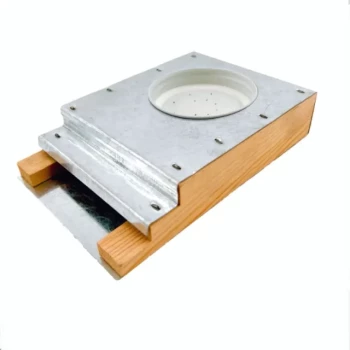
The primary purpose of a 1:1 sugar syrup ratio is to function as a stimulative feeding technique that artificially mimics the consistency and availability of natural nectar. By introducing this mixture before the actual bloom occurs, you effectively trick the colony into believing resources are already abundant. This biological signal compels the queen to immediately begin laying eggs and accelerates the development of larvae.
Strategic Intervention for Peak Performance: By simulating an early nectar flow, you trigger a population boom before the actual bloom arrives. This ensures a maximized workforce is ready to harvest real nectar immediately, rather than spending the peak season just trying to grow the colony size.
The Biological Signal
The specific ratio of sugar to water is not arbitrary; it is a calculated tool to manipulate colony behavior.
Mimicking Natural Nectar
A 1:1 mixture (equal parts sugar and water) closely resembles the sugar concentration found in natural flower nectar.
Because the consistency is thin and easy to consume, bees treat it as a direct resource for immediate use rather than long-term storage.
Triggering the Queen
When the workers bring this "artificial nectar" into the hive, it signals to the queen that the environment can support a larger population.
In response, she increases her egg-laying rate. This is the mechanism that drives rapid colony expansion.
Timing the Population Explosion
The logic behind feeding prior to a major flow, rather than during it, relies on understanding bee development cycles.
Overcoming the Time Lag
There is a significant delay between an egg being laid and that bee becoming a foraging adult.
By feeding weeks in advance, you ensure the brood rearing happens early.
This results in a peak population of adult foragers exactly when the major nectar flow begins.
Maximizing Collection Potential
If a colony waits for the natural flow to start expanding, they will lack the workforce to fully exploit the bloom.
Pre-feeding ensures the colony shifts from "survival mode" to "production mode" right at the start of the season.
Supporting Infrastructure for New Colonies
For new packages or nucleus hives, the benefits of 1:1 syrup extend beyond just population growth.
Energy for Comb Building
New colonies often lack the established honeycomb required to store a major nectar harvest.
Producing wax requires significant energy consumption.
Consistent Resource Availability
A 1:1 syrup provides a steady, easily accessible energy source that fuels wax production.
This allows the colony to build out their "pantry" (comb) so they are ready to store honey when the natural flow creates a surplus.
Understanding the Trade-offs
While 1:1 syrup is ideal for stimulation and spring management, it is not a universal solution for all seasons.
High Moisture Content
Because this ratio is 50% water, it introduces significant moisture into the hive.
The bees must expend energy to evaporate this water if they intend to store it.
Unsuitability for Winter Storage
You should not use a 1:1 ratio for winter preparation.
For winter stores, a thicker 2:1 ratio is preferred because it requires less processing effort from the bees and is less likely to cause moisture issues during cold months.
Fermentation Risks
The high water content makes 1:1 syrup more prone to spoilage and fermentation in hot weather compared to thicker syrups.
Feeders must be monitored and cleaned regularly to prevent mold growth.
Making the Right Choice for Your Goal
The decision to use 1:1 syrup depends heavily on the maturity of your colony and the time of year.
- If your primary focus is established colonies: Start feeding 1:1 syrup several weeks before the expected bloom to maximize the forager force for a large honey harvest.
- If your primary focus is new packages or swarms: Feed 1:1 continuously to drive rapid comb building and stabilize the brood nest, regardless of natural nectar flows.
Use 1:1 syrup not to feed the bees you have today, but to build the workforce you need for tomorrow.
Summary Table:
| Feature | 1:1 Sugar Syrup (Stimulative) | 2:1 Sugar Syrup (Storage) |
|---|---|---|
| Primary Goal | Mimic nectar; stimulate brood rearing | Build winter stores; emergency feeding |
| Best Timing | Early Spring (pre-nectar flow) | Late Autumn (pre-winter) |
| Effect on Queen | Increases egg-laying rate | Minimal effect on brood cycle |
| Bee Energy Use | Used immediately for energy/wax | Conserved for storage/survival |
| Consistency | Thin, high moisture content | Thick, low moisture content |
| Spoilage Risk | Higher; monitor for fermentation | Lower; more stable |
Elevate Your Commercial Beekeeping with HONESTBEE
Ready to transform your apiary's productivity? At HONESTBEE, we specialize in empowering commercial apiaries and distributors with high-performance beekeeping solutions. Whether you need specialized hardware like honey-filling machines, precision hive-making equipment, or a steady supply of essential industry consumables, we have the expertise to scale your operations.
Why partner with us?
- Comprehensive Wholesale Offering: A full spectrum of tools and machinery tailored for large-scale production.
- Industry Expertise: From cultural merchandise to advanced hardware, we understand the global beekeeping market.
- Growth-Focused Support: We help you build the workforce your apiary needs for tomorrow.
Contact HONESTBEE Today to Scale Your Production
References
- Sangita Egan Parajuli, RB Thapa. Foraging Behavior of Apis mellifera L. Landraces Under Terai Condition of Nepal. DOI: 10.3126/njst.v13i2.7714
This article is also based on technical information from HonestBee Knowledge Base .
Related Products
- Rapid Bee Feeder White Plastic 2L Round Top Feeder for 8 or 10-Frame Bee Hives
- White Plastic 0.5L Beekeeping Entrance Feeder for Bees
- HONESTBEE Entrance Bee Feeder Professional Hive Nutrition Solution for Beekeeping
- HONESTBEE Professional Entrance Bee Feeder Hive Nutrition Solution
- Boardman Entrance Bee Feeder Durable Galvanized Steel and Wood Construction for Beekeeping
People Also Ask
- What should be done with feeders and equipment after feeding bees? Essential Steps for Apiary Health
- What should be done if feed in a feeder is not consumed by the bees? Prevent Hive Mold with Prompt Feed Management
- What is the necessity of specialized internal or entrance feeders? Secure Your Hive with Professional Feeding Tools
- How do bee feeders work to preserve colony health during nectar shortages? Essential Guide for Beekeepers
- How quickly does a medium to strong colony usually empty a feeder? A Beekeeper's Guide to Hive Health