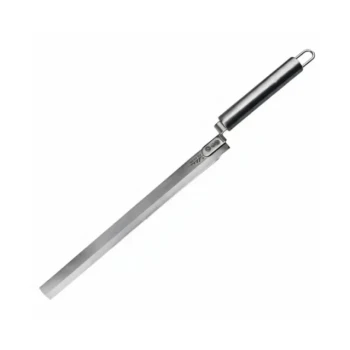
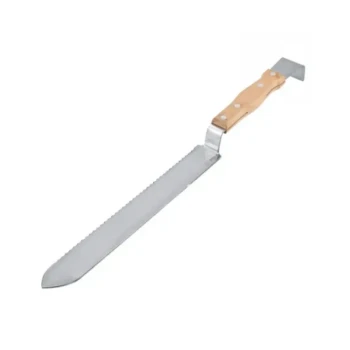
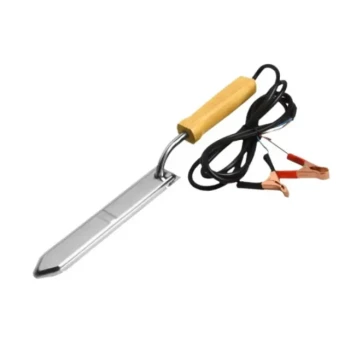
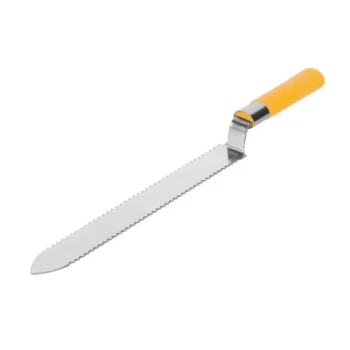
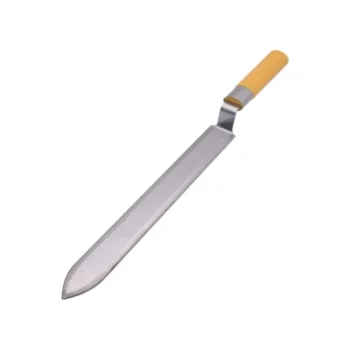
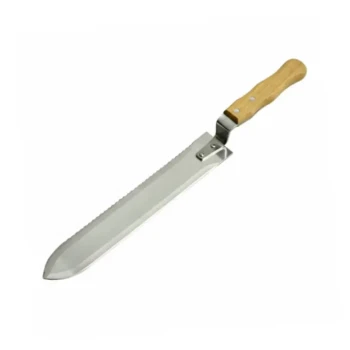
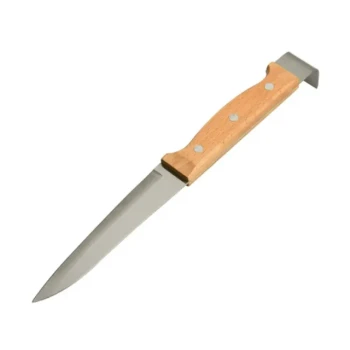
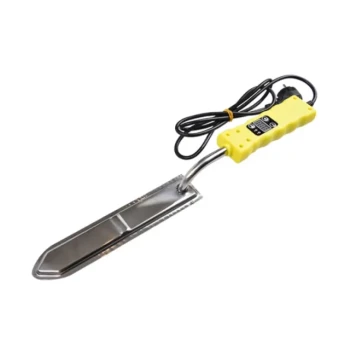
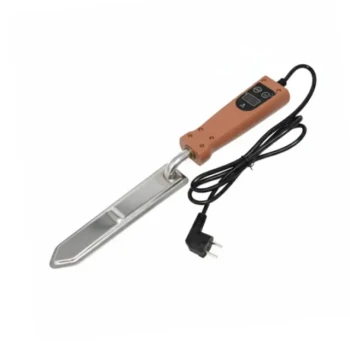
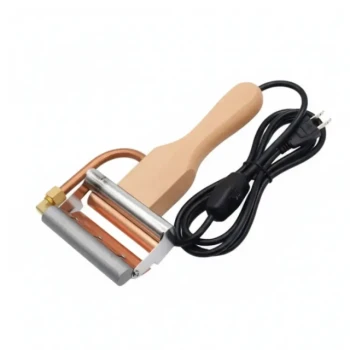
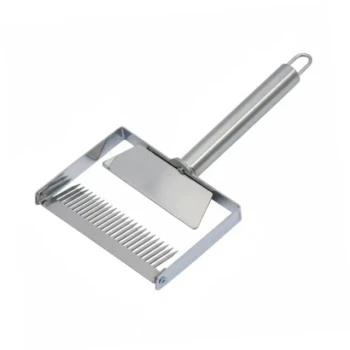
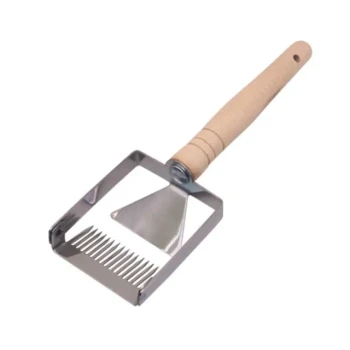
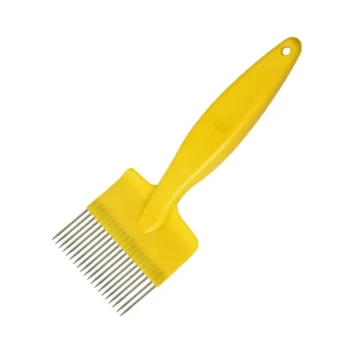
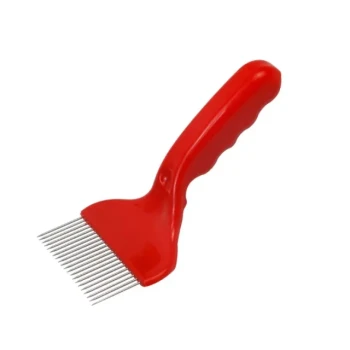
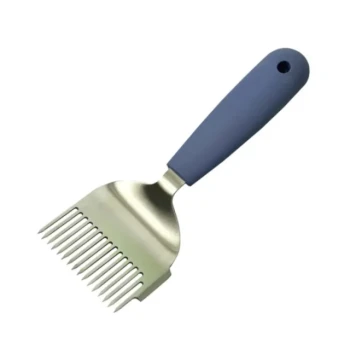
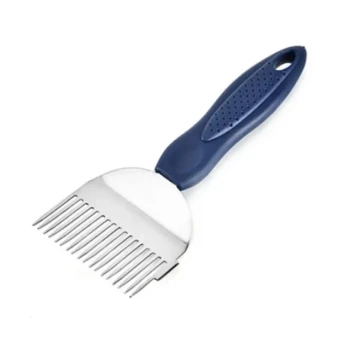
A disinfected uncapping knife is mandatory to prevent the introduction of microbial contamination during the extraction process. Because the knife is used to manually remove wax cappings to access the honey, a non-sterile blade would compromise the sample integrity, rendering subsequent physicochemical analyses inaccurate.
Core Takeaway To ensure scientific validity, the extraction tool must not alter the sample's biological profile. Strict disinfection of the uncapping knife acts as a firewall against microbial cross-contamination, ensuring that data derived from floral, honeydew, or sugar-based honey remains consistent and accurate.
The Mechanics of Sample Preparation
Accessing the Honey Stores
The uncapping knife is the primary tool used to manually remove the wax cappings from the surface of the honeycomb. This removal is the absolute prerequisite for extracting the mature honey contained within the cells.
The Point of Contact
Because the knife slices directly across the open cells, it creates a significant surface area of contact with the honey. This makes the knife a critical control point; its cleanliness directly determines the purity of the sample entering the analysis phase.
Why Disinfection is Non-Negotiable
Preventing Microbial Contamination
The primary function of disinfecting the knife is to stop microbial contamination. If the knife carries bacteria, yeast, or fungi from a previous sample or the environment, it will inoculate the fresh honey sample immediately upon contact.
Ensuring Physicochemical Accuracy
Laboratory analysis often measures sensitive physicochemical properties of the honey. Introducing foreign microbes can trigger fermentation or chemical changes that skew these metrics, resulting in data that does not reflect the true nature of the honey source.
Consistency Across Varieties
Whether analyzing floral honey, honeydew honey, or sugar-based products, the preparation standard must be uniform. Disinfection ensures that variations in test results are attributed to the actual honey source, rather than inconsistent hygiene practices during uncapping.
The Risks of Improper Preparation
Compromised Data Integrity
If the uncapping knife is not strictly disinfected, you cannot guarantee the accuracy of your results. The presence of external contaminants creates "noise" in the data, making it difficult to distinguish between the honey's natural attributes and introduced artifacts.
Loss of Analytical Consistency
Reliable science requires repeatability. Failing to disinfect the tool introduces a variable of randomness—inconsistency—which makes it impossible to validly compare different honey samples or batches against one another.
Ensuring Valid Results in Your Analysis
To guarantee the reliability of your honey analysis, strict adherence to sterile preparation is required.
- If your primary focus is Data Accuracy: Ensure the knife is disinfected to prevent microbial activity from altering the chemical composition of the sample.
- If your primary focus is Comparative Analysis: Standardize the disinfection process to ensure that differences between floral and honeydew samples are genuine, not the result of cross-contamination.
Sterile preparation is not just a hygiene step; it is the foundation of credible data.
Summary Table:
| Factor | Requirement | Impact on Analysis |
|---|---|---|
| Tool Hygiene | Mandatory Disinfection | Prevents microbial cross-contamination |
| Sample Integrity | Zero External Inoculation | Ensures accurate physicochemical metrics |
| Data Consistency | Standardized Preparation | Enables valid comparison between honey types |
| Source Verification | Sterile Extraction | Distinguishes floral vs. honeydew profiles |
Elevate Your Apiary Standards with HONESTBEE
Precision in honey analysis starts with professional-grade equipment. HONESTBEE empowers commercial apiaries and distributors with a comprehensive range of high-quality beekeeping tools, specialized hive-making machinery, and honey-filling solutions.
Whether you are scaling your honey production or supplying the industry with essential consumables and cultural merchandise, our wholesale offerings provide the reliability your business demands.
Ready to optimize your production line? Contact our experts today to discover how HONESTBEE can enhance your efficiency and product purity.
References
- Yueyang Hu, Xiaobo Wu. Effects of Artificial Sugar Supplementation on the Composition and Nutritional Potency of Honey from Apis cerana. DOI: 10.3390/insects15050344
This article is also based on technical information from HonestBee Knowledge Base .
Related Products
- Professional All-Stainless Steel Uncapping Knife for Beekeeping
- Professional Z-Shaped Multi-Function Uncapping Knife for Beekeeping
- Professional 12V DC Electric Uncapping Knife for Beekeeping
- Professional Serrated Double-Sided Uncapping Knife for Beekeeping
- Professional Stainless Steel Double-Sided Honey Uncapping Knife
People Also Ask
- What is the use of a bee knife? Essential for Efficient Honey Harvesting
- What is an uncapping knife and its function in honey harvesting? Essential Tips for Efficient Extractions
- What is the primary difference between a cold and heated uncapping knife? Choose the Best Tool for Your Honey Harvest
- What is the function of uncapping knives or uncapping forks? Expert Tools for Honey Harvesting Productivity
- How do sustainable harvesting consumables support hive conservation? Boost Colony Health & Commercial Yield