A high-magnification optical microscope with 1000x capability is the industry standard for honey palynology because pollen grains are microscopic, often measuring only a few micrometers. This level of magnification, specifically when paired with oil immersion lenses, is essential to resolve critical micro-features such as pollen wall ornamentation and germinal pores. Without this resolution, technicians cannot accurately identify the botanical origin of honey at the genus or species level.
Core Takeaway: To guarantee honey authenticity and meet regulatory standards for monofloral classification, laboratories require 1000x magnification to distinguish the unique morphological characteristics of pollen. For B2B distributors, providing high-specification optical equipment is the key to supporting food safety and purity verification in the global honey supply chain.
The Science of Botanical Verification
Resolving Micro-Morphological Details
Pollen grains possess intricate surface patterns and structures that remain invisible at lower magnifications. 1000x magnification provides the resolution necessary to observe exine ornamentation and aperture morphology, which serve as the "fingerprints" of plant species. These details are the primary data points used by melissopalynologists to classify pollen types with absolute precision.
The Role of Oil Immersion
Achieving a clear image at 1000x requires the use of oil immersion techniques to minimize light refraction. This process allows the microscope to capture more light, ensuring that the microscopic morphology of grains—such as those from Robinia pseudoacacia—is sharp and measurable. Professional-grade instruments must support these specialized lenses to be considered viable for honey quality control.
Comprehensive Pollen Counting
Standardized analysis involves counting and identifying at least 300 pollen grains per sample to determine the percentage of botanical sources. High-power microscopes facilitate the calculation of absolute pollen density, a metric used to verify if a product meets the legal requirements for "unifloral" labeling. Reliable sourcing of these high-spec instruments ensures laboratories can maintain high throughput without sacrificing accuracy.
Regulatory and Commercial Implications
Preventing Adulteration and Fraud
High-magnification analysis is a core method for detecting adulteration and protecting geographical indications. By identifying dominant and secondary pollen species, technicians can spot inconsistencies that suggest the blending of inferior honey or the use of synthetic syrups. Distributors who provide these tools empower their clients to maintain the integrity of the premium honey market.
Identifying Bee Pathogens
Beyond pollen, 1000x magnification is critical for identifying honeybee pathogens like bacteria at the cellular level. It enables the identification of short rod shapes, spores, and capsules, often in conjunction with Gram staining. This dual-purpose capability makes high-power optical microscopes a versatile asset for both food safety labs and apiculture researchers.
Understanding the Trade-offs
Technical Complexity and Maintenance
Operating at 1000x magnification requires specialized training and precise calibration to avoid lens damage. The use of immersion oil necessitates a rigorous cleaning protocol to prevent residue buildup, which can degrade image quality over time. While these units offer superior detail, they represent a higher investment in both initial cost and ongoing technician expertise compared to entry-level biological microscopes.
Throughput vs. Resolution
Higher magnification naturally results in a smaller field of view, which can increase the time required to scan an entire slide. However, for honey palynology, this trade-off is unavoidable, as lower magnifications (under 400x) lack the resolution to identify species-specific traits. The goal is not speed, but the certainty of identification, which directly impacts the commercial value of the honey being tested.
Making the Right Choice for Your Goal
As a distributor or wholesaler, your recommendations should align with your client’s specific operational needs and regulatory environment.
- If your primary focus is regulatory compliance for monofloral honey: Prioritize sourcing 1000x microscopes with high-quality oil immersion objectives to ensure precise species identification.
- If your primary focus is rapid response and order fulfillment: Leverage our full-spectrum product portfolio and ultra-fast delivery services to equip new laboratories in record time.
- If your primary focus is comprehensive laboratory support: Offer instruments that handle both palynology and pathogen detection to provide a versatile, high-value solution for bee health and food safety.
By providing the high-resolution tools necessary for microscopic analysis, you ensure your clients can definitively prove the purity and origin of their honey products.
Summary Table:
| Feature | 1000x Magnification Requirement | Impact on Honey Analysis |
|---|---|---|
| Resolution | Resolves micro-features (<5μm) | Distinguishes pollen exine and germinal pores |
| Technique | Requires Oil Immersion lenses | Minimizes light refraction for sharp imaging |
| Authenticity | Species-level identification | Verifies monofloral claims and prevents fraud |
| Safety | Pathogen & spore detection | Identifies bee diseases at the cellular level |
| Compliance | Industry-standard 300+ grain count | Meets global regulatory and labeling standards |
Elevate Your Beekeeping Supply Chain with HONESTBEE
As a premier partner for commercial apiaries and B2B distributors, HONESTBEE provides the one-stop sourcing capabilities you need to dominate the market. Our comprehensive portfolio spans the full spectrum of industry essentials—from high-precision beekeeping tools and machinery like honey-filling units to essential consumables and cultural merchandise.
Why choose HONESTBEE?
- Full-Spectrum Portfolio: Access everything from specialized hardware to laboratory-grade support.
- Rapid Response & Delivery: Ultra-fast order fulfillment to keep your inventory moving.
- Deep Industry Expertise: Professional guidance tailored to the needs of wholesalers and resellers.
- Premium Trading Services: Dedicated support to ensure your profit margins and supply reliability.
Equip your clients with the tools for total honey authenticity. Contact HONESTBEE today to explore our wholesale offerings!
References
- M. Homrani, M. Carmen Seijo. Botanical Origin, Pollen Profile, and Physicochemical Properties of Algerian Honey from Different Bioclimatic Areas. DOI: 10.3390/foods9070938
This article is also based on technical information from HonestBee Knowledge Base .
Related Products
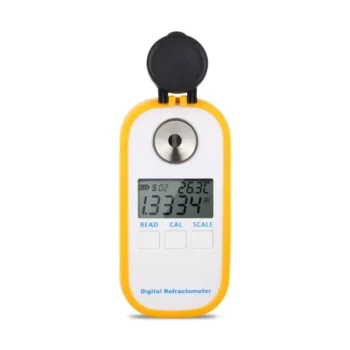
- Digital Honey Refractometer for Precision Measurement of Optimal Honey Quality
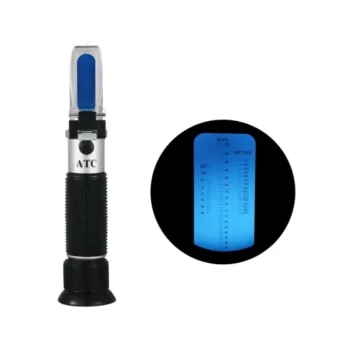
- Precision Honey Refractometer Instrument for Quality Assessment
- Acrylic Lid Beekeeping Honey Extractor for Beekeepers
- Professional Wide Blade Honey Scraper for Beekeeping and Honey Processing
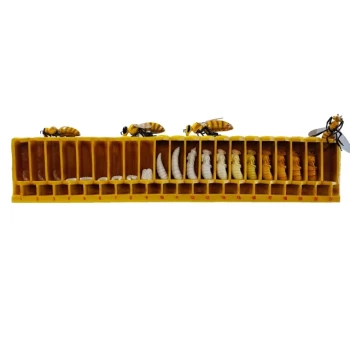
- Honey Bee Lifecycle Model: A Detailed Honeycomb Display of Bee Development
People Also Ask
- What role do high-precision refractometers play in determining the maturity and quality of honey? Ensure Honey Purity.
- Do the color and viscosity of honey affect its refractometer reading? Mastering Moisture Measurement Accuracy
- Why is a honey refractometer considered essential for commercial beekeepers? Ensure Honey Quality and Profitability
- How is the reading taken from a honey refractometer? A Guide to Accurate Moisture Measurement
- What is a honey refractometer? The Essential Tool for Perfect Honey Quality