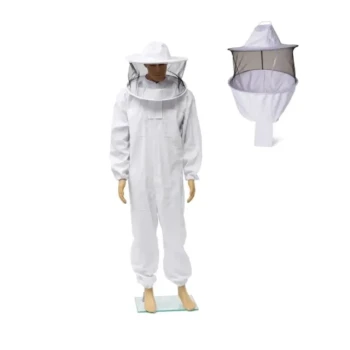
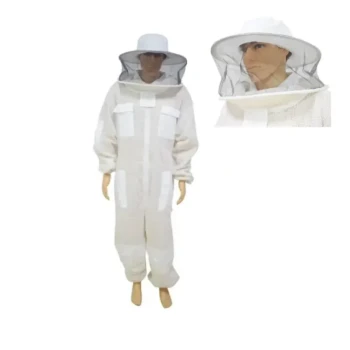
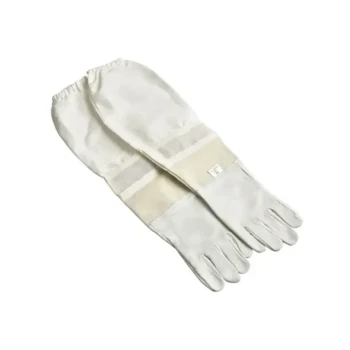
A professional beekeeping protective suit is the primary physical barrier that ensures operator safety, hygienic integrity, and operational precision. By using puncture-resistant, breathable composite materials, these suits prevent bee stings and allergic reactions while reducing the operator's psychological stress. This allows for the stable, high-intensity management required for routine health checks and efficient honey harvesting.
The professional beekeeping suit is not merely a safety garment but a critical tool for operational stability. It bridges the gap between occupational safety and product hygiene, enabling beekeepers to manage colonies with the precision necessary for commercial success.
Occupational Safety and Risk Mitigation
Complete Physical Protection
A professional-grade suit provides a comprehensive barrier made from heavy-duty, sting-resistant fabric. These materials are specifically engineered to prevent penetration by Apis mellifera stingers, protecting the operator from painful injuries and potentially life-threatening allergic reactions.
Psychological Stability and Movement Precision
Safety equipment significantly reduces the operator's stress levels during hive interventions. When a beekeeper feels secure, they can execute precise movements during health checks and disease management, which prevents the accidental crushing of bees and maintains the calm of the colony.
Specialized Design Features
Quality suits incorporate integrated breathable mesh veils and airtight seals at the wrists and ankles. These features ensure the operator remains protected in complex field environments while maintaining the visibility and ventilation required for long hours of manual labor.
Enhancing Operational Efficiency and Hive Health
Minimizing Colony Disturbance
Professional suits allow operators to work calmly, which in turn minimizes stress responses within the bee colony. Reduced disturbance leads to a more productive environment, as bees return to their foraging and honey-production tasks faster after an inspection.
Facilitating High-Intensity Tasks
In commercial beekeeping, the ability to work continuously across multiple sites is vital. Professional suits are designed for durability and comfort, allowing operators to perform high-intensity tasks without the interruptions caused by gear failure or physical discomfort.
Odor Interference and Behavioral Management
Beyond a physical shield, clean protective clothing helps minimize the transmission of alarm pheromones. By masking human scents and previous sting markers, the suit assists in calming colony behavior, making the bees easier to handle during the honey collection process.
Maintaining Product Integrity and Hygiene
The Hygienic Barrier
In a professional production setting, the suit acts as a critical hygienic barrier between the operator and the honey. It prevents the introduction of human-borne impurities, such as hair or skin cells, into the bee products during the primary processing phase.
Compliance with Food Safety Standards
For wholesalers and distributors, providing suits that support hygiene is essential for meeting regulatory requirements. Professional clothing ensures that the collection process remains compliant with international food safety standards, protecting the end-value of the honey harvest.
Strategic Advantages for Distributors and Resellers
Comprehensive One-Stop Sourcing
Partnering with a provider that offers a full-spectrum product portfolio allows distributors to simplify their supply chain. Sourcing high-quality suits alongside other essential tools ensures that your clients receive a unified, professional-grade solution for their apiary needs.
Rapid Fulfillment and Industry Expertise
In the beekeeping industry, timing is critical due to seasonal cycles. Professional trading services prioritize ultra-fast delivery and efficient order fulfillment, backed by deep industry expertise to ensure that distributors are always equipped to meet peak demand.
Understanding the Trade-offs
Breathability vs. Protection
While thicker materials offer superior sting resistance, they can lead to heat exhaustion in warm climates. Professional suits solve this by using multi-layered mesh or breathable composite materials, though these may require a higher initial investment compared to basic cotton alternatives.
Durability vs. Flexibility
Heavy-duty fabrics are essential for longevity but can occasionally restrict movement if not tailored correctly. It is vital to select suits with ergonomic designs that balance puncture resistance with the flexibility needed for climbing or bending during hive maintenance.
Making the Right Choice for Your Goal
How to Apply This to Your Portfolio
- If your primary focus is Maximum Operator Safety: Prioritize suits featuring multi-layered, puncture-resistant fabric and integrated, high-visibility veils for high-risk environments.
- If your primary focus is Commercial Efficiency: Select lightweight, ultra-breathable composite suits that allow for long-duration work in high-temperature climates without sacrificing protection.
- If your primary focus is Supply Chain Reliability: Partner with a one-stop-shop supplier that offers a comprehensive range of sizes and rapid delivery to ensure your inventory remains consistent during the harvesting season.
A professional protective suit is the foundational investment that transforms a high-risk manual task into a precise, hygienic, and scalable commercial operation.
Summary Table:
| Key Aspect | Professional Suit Feature | Commercial Benefit |
|---|---|---|
| Occupational Safety | Puncture-resistant composite fabrics | Reduced injury risk and operator stress |
| Colony Health | Precision movement design | Minimized bee disturbance and higher productivity |
| Product Integrity | Specialized hygienic barrier | Compliance with international food safety standards |
| Durability | Heavy-duty ergonomic tailoring | Reliable performance for high-intensity harvesting |
| Climate Comfort | Multi-layered breathable mesh | Prevention of heat exhaustion during long shifts |
Scale Your Wholesale Success with HONESTBEE
Are you looking to provide your clients with industry-leading apiary solutions? HONESTBEE serves commercial apiaries and B2B distributors as a premier one-stop sourcing partner. Our comprehensive portfolio spans the full spectrum of beekeeping tools—from professional protective suits to specialized hive-making and honey-filling machinery.
The HONESTBEE Advantage for Distributors:
- Comprehensive Portfolio: Full-spectrum products including hardware, machinery, and industry consumables.
- Unmatched Efficiency: Ultra-fast delivery and rapid fulfillment to keep your inventory ready for peak season.
- Professional Expertise: Deep industry knowledge combined with dedicated, exceptional customer service.
- Global Standards: High-quality equipment that ensures safety and compliance for your customers.
Contact our expert team today to explore our wholesale offerings and OEM/ODM support!
References
- Rafael Armiñana–García, Adalberto Gerardo García-González. Vinculando los escolares del centro mixto «mártires de Bolivia» al conocimiento de la apicultura en Cuba. DOI: 10.62430/rtb20242221828
This article is also based on technical information from HonestBee Knowledge Base .
Related Products
- Premium Cotton Beekeeper Suit with Reinforced Fencing Veil
- White Cotton Beekeeping Jacket and Veil for Bee Keepers
- Professional Beekeeping Suit for Kids and Girls Childrens Bee Keeper Suit
- Beekeeping Jacket with Hood and Veil for Beekeepers
- Vented Beekeeping Jacket with Hood and Veil for Beekeepers
People Also Ask
- What material and design specifications are recommended for a high-quality beekeeper suit? Top Gear Selection Guide
- How to Pre-treat Propolis Stains on Beekeeping Suits? Master Advanced Fabric Care and Soil Removal
- What features should be considered for sting protection in a beekeeping suit? Ensure Total Safety and Comfort
- What are the differences between full suits and jackets with veils in beekeeping? Choose Your Best Protection
- What features should be looked for in a beekeeping suit for maximum comfort? Prioritize Ventilation and Fit