The inner cover serves as a critical buffer between the hive’s living space and the heavy outer telescoping cover. Its primary function is to act as the true ceiling of the hive, preventing the bees from using propolis to cement the outer lid directly to the hive box, which would make opening the hive difficult and disruptive.
By creating a necessary separation layer, the inner cover ensures the outer lid remains removable without significant force. This simple component protects the colony from the agitation caused by prying loose a stuck cover while providing essential insulation and ventilation options.
The Mechanics of Hive Access
Preventing the Propolis Seal
Bees instinctively seal gaps and stabilize their home using propolis, a sticky, resinous "bee glue." Without an inner cover, the bees would attach the telescoping cover directly to the top bars of the frames or the hive box walls.
Avoiding Colony Agitation
If the outer cover were glued down, removing it would require significant prying or jarring. This physical force creates vibrations and a sudden "pop" when the seal breaks.
Vibration is a primary agitation trigger for bees. By using an inner cover, you ensure the heavy outer lid lifts off easily, allowing you to work gently without alerting the colony's defensive instincts immediately.
Environmental Control and Structure
Creating Insulation
The combination of the inner cover and the telescoping cover creates a "dead air" space between the two layers. This pocket of air acts as insulation, helping to regulate the internal temperature of the hive against both heat and cold.
Managing Burr Comb
Bees will often attempt to build honeycomb (burr comb) wherever they find open space. The inner cover creates a precise boundary that keeps the comb contained within the frames, preventing bees from attaching honeycomb to the underside of the outer roof.
Ventilation and Upper Entrances
The inner cover is versatile and often features a central hole or notch. This opening can be utilized to improve air circulation through the hive or to provide a secondary upper entrance for foragers.
Common Pitfalls to Avoid
The Inner Cover Will Still Stick
While the inner cover prevents the outer lid from sticking, the bees will still use propolis to glue the inner cover to the hive box. Do not assume it will lift off effortlessly.
The Correct Removal Technique
To avoid the "pop" that angers bees, you should not simply rip the inner cover off. Lean your weight on the cover while simultaneously prying up a corner with your hive tool. This technique slowly separates the propolis seal without sending shockwaves through the colony.
Optimizing Your Hive Setup
Using an inner cover is standard practice for Langstroth hives, but understanding its specific utility helps you manage the colony better.
- If your primary focus is Ease of Inspection: The inner cover is non-negotiable, as it prevents the outer lid from fusing to the hive body.
- If your primary focus is Climate Control: Rely on the dead air space between the two covers to provide a baseline of insulation for the brood nest.
The inner cover is a simple tool that solves the complex mechanical problem of accessing a hive without destroying the calm of the colony inside.
Summary Table:
| Feature | Inner Cover Function | Benefit for Beekeepers |
|---|---|---|
| Propolis Management | Prevents bees from gluing the outer lid | Easier hive inspections and less prying |
| Temperature Control | Creates an insulating "dead air" space | Protects colony from extreme heat and cold |
| Colony Calmness | Minimizes vibrations during opening | Reduces bee agitation and defensive behavior |
| Space Regulation | Manages burr comb and upper access | Keeps comb contained and allows ventilation |
Scale Your Apiary with HONESTBEE Precision Equipment
At HONESTBEE, we understand that efficient beekeeping starts with high-quality infrastructure. As a premier partner for commercial apiaries and distributors, we supply a comprehensive range of wholesale beekeeping tools, machinery, and essential consumables.
Whether you need precision hive-making machines, high-capacity honey-filling equipment, or bulk supplies of specialized hardware and honeycomb-themed merchandise, we deliver the reliability your business demands.
Ready to upgrade your wholesale supply chain? Contact us today to discover how our professional-grade equipment can enhance your productivity and market reach.
Related Products
- Inner Beehive Cover for Beekeeping Bee Hive Inner Cover
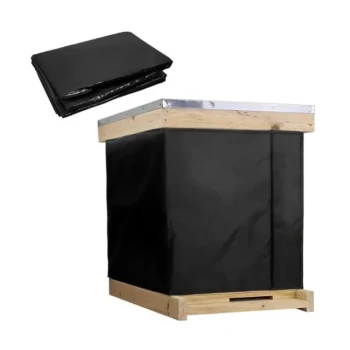
- Professional Insulated Winter Hive Wrap for Beekeeping
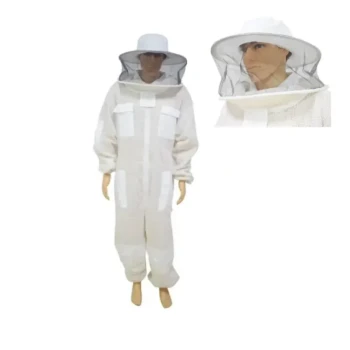
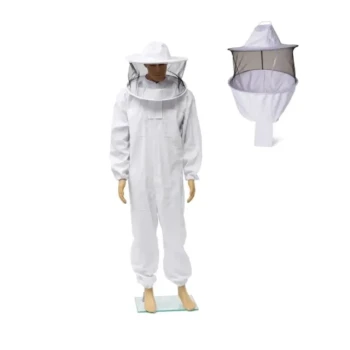
- Three-Layer Ventilated Beekeeper Suit with Structured Fencing Veil
- Telescopic Beehive Outer Cover Lid Roof with Galvanised Sheeting for Langstroth Hive and Beehive Outer Cover
- Professional Square Folding Wire Mesh Beekeeping Veil
People Also Ask
- What is the purpose of the inner cover in a beehive? A Key to Hive Health & Easy Management
- What is the function and placement of an inner cover in a beehive? Essential Hive Management Guide
- What is the purpose of the inner and outer covers in a beehive? Essential for Hive Health & Management
- What is a beehive's inner cover and how is it used? Essential Guide for Hive Insulation and Ventilation
- What are the functions of the inner and outer covers on a beehive? Essential Guide for Hive Protection and Management