Early spring pollen supplementation is critical because it supplies the protein nurse bees need to rear expanding brood when natural pollen is unavailable or unreliable. Cold weather, rain, and delayed flowering can interrupt foraging, while winter stores may already be depleted. Feeding pollen substitutes or patties alongside carbohydrate syrup helps sustain queen laying, worker development, and timely colony buildup.
The central requirement is balanced nutrition delivered safely inside the hive: protein supports brood rearing, while 1:1 sugar syrup supplies readily available carbohydrates. Dedicated internal feeders, frame feeders, protein-feeding equipment, and—where needed—feeding rims help provide this nutrition while reducing robbing risk.
Why Early Spring Nutrition Matters
Nurse bees depend on protein
Pollen is the colony’s primary source of protein for producing brood food. Nurse bees require adequate protein to feed developing larvae and maintain healthy young workers.
When natural pollen is scarce, a colony may not be able to support the queen’s increasing egg-laying rate, even if some honey remains available.
Brood expansion creates higher demand
As temperatures improve, the queen typically begins expanding brood production. This creates a rapid increase in demand for protein, carbohydrates, water, and nurse-bee labor.
If nutrition cannot keep pace, brood production may slow and the colony may fail to build the workforce needed for the main season.
Weather can interrupt natural foraging
Lingering cold, heavy rain, and delayed floral blooms can prevent bees from collecting sufficient pollen. These interruptions are especially significant during the transition between winter stores and dependable spring forage.
Pollen patties and pollen substitutes provide a nutritional bridge until natural pollen becomes consistently available.
What Happens When Colonies Lack Early Pollen
Population buildup can stall
A prolonged pollen shortage can prevent the colony from increasing its population. Instead of preparing for peak-season activity, the colony may remain weak or begin to dwindle.
This can reduce future honey-production potential because there are fewer worker bees available for foraging and hive tasks.
Colony decline may be misdiagnosed
A colony suffering from inadequate early pollen may show symptoms of weakness or dwindling that can be mistaken for Nosema infection. Nutrition should therefore be considered alongside disease investigation rather than overlooked.
Supplementation does not replace proper diagnosis, sanitation, or veterinary and apiary management.
Starvation risk remains separate from protein shortage
Pollen substitutes address protein and related nutritional needs; they do not replace carbohydrate stores. Colonies may still require sugar syrup when winter honey stores are insufficient.
For early spring support, beekeepers commonly provide 1:1 sugar syrup separately from protein supplements, allowing the bees to obtain both energy and brood-rearing nutrition.
Equipment Required for Spring Nutrition
Frame feeders for syrup
Frame feeders fit inside the hive and provide syrup close to the cluster. This placement can make feeding more practical during cool conditions than relying on exposed external sources.
Internal delivery also helps reduce the attraction of outside bees and the associated risk of robbing.
Internal hive feeders
Internal hive feeders provide another method for delivering carbohydrate syrup within the hive. They are useful when the beekeeper needs direct access to feed without placing an exposed food source near the apiary.
The appropriate design depends on hive format, colony strength, inspection practices, and the beekeeper’s preferred refill process.
Protein-feeding equipment
Protein supplements may be supplied as pollen patties, dry substitutes, or other prepared formulations. Equipment may include protein feeder tools, trays, or supports that keep the material accessible to bees and positioned correctly within the hive.
Patties should be placed where the bees can reach them without excessive disruption to the cluster.
Feeding rims and spacer equipment
Feeding rims create space above the brood area for pollen patties or other protein supplements. They can simplify placement and help prevent the supplement from being crushed or displaced during inspections.
A rim is particularly useful for operations standardizing feeding across multiple hive types or managing larger apiaries.
Optional pollen traps
Pollen traps are installed at hive entrances to collect pollen brought back by foragers. They are not essential for supplying spring nutrition, but they can support operations that collect pollen for processing or later use.
Because traps remove some incoming pollen, they should be used carefully when colonies are already experiencing nutritional pressure.
Selecting the Right Supplement
Use substitutes when natural pollen is unreliable
Pollen substitutes are valuable when natural pollen is absent, nutritionally inadequate, or inaccessible because of weather. Quality formulations are intended to provide proteins, lipids, minerals, and vitamins that support brood rearing.
They should be treated as a targeted nutritional tool rather than a permanent replacement for diverse natural forage.
Match feeding to colony condition
A strong colony with active brood may consume supplements quickly, while a weak colony may require smaller, more carefully monitored amounts. Feeding should be adjusted according to brood presence, adult population, stores, weather, and forage availability.
Unused or deteriorating supplement should be removed or replaced to maintain hive hygiene.
Understanding the Trade-offs
Stimulation can increase demand
Spring feeding can encourage brood expansion and queen laying, but it may also increase the colony’s demand for protein, carbohydrates, and worker labor. Feeding should therefore support a colony that can realistically process and protect the additional brood.
Feeding does not eliminate management risks
Internal feeding reduces exposure and robbing risk, but it does not guarantee that robbing will not occur. Leaks, spilled syrup, open containers, and weak colonies can still create problems.
Good feeding practice includes clean equipment, controlled quantities, secure closures, and regular inspections.
Supplements cannot replace forage planning
Pollen substitutes are a bridge through a forage gap, not a substitute for long-term forage availability. Apiaries still benefit from access to diverse flowering plants and careful placement near reliable spring resources.
Equipment compatibility matters
Feeders and rims must match the hive configuration and allow safe bee access. Poorly fitted equipment can leak, obstruct inspections, chill the cluster, or make replenishment inefficient.
For distributors and wholesalers, compatibility across common hive formats is an important part of a practical product portfolio.
How to Apply This to Your Project
The most effective spring-nutrition program combines the correct consumables with equipment that supports safe, repeatable delivery.
- If your primary focus is preventing brood-rearing delays: Stock pollen patties or suitable pollen substitutes and place them where nurse bees can reach them inside the hive.
- If your primary focus is preventing carbohydrate shortages: Supply 1:1 sugar syrup through frame feeders or other internal hive feeders.
- If your primary focus is minimizing robbing: Prioritize internal feeding equipment, secure closures, and leak-resistant designs.
- If your primary focus is standardizing a commercial apiary: Build a compatible package of protein supplements, syrup feeders, feeding rims, and replacement parts.
- If your primary focus is distributor or reseller efficiency: Use a one-stop supplier with broad product coverage, rapid response, dependable fulfillment, and technical support across both equipment and consumables.
- If your primary focus is collecting rather than supplying pollen: Consider pollen traps only after confirming that their use will not intensify an existing nutritional shortage.
Early spring supplementation gives colonies the nutritional support needed to convert winter survivors into a healthy, productive workforce.
Summary Table:
| Equipment | Purpose | Key Benefit |
|---|---|---|
| Frame feeders | Deliver 1:1 syrup near cluster | Supports carbohydrate needs, reduces robbing |
| Internal hive feeders | Provide syrup inside hive | Practical for cool weather, low robbing risk |
| Pollen patties & protein feeders | Supply protein substitute | Essential for brood rearing when pollen scarce |
| Feeding rims | Create space above brood for patties | Simplifies placement, prevents crushing |
| Pollen traps (optional) | Collect incoming pollen | Useful for pollen harvesting, use with care |
Ensure your apiary thrives this spring with the right nutrition and equipment. At HONESTBEE, we supply a full spectrum of beekeeping tools, machinery, and consumables to support your colonies' health. Our one-stop sourcing, rapid response, and dedicated service make us the ideal partner for commercial apiaries, distributors, and B2B resellers. Contact us today to optimize your spring feeding program and boost your productivity — get in touch!
Related Products
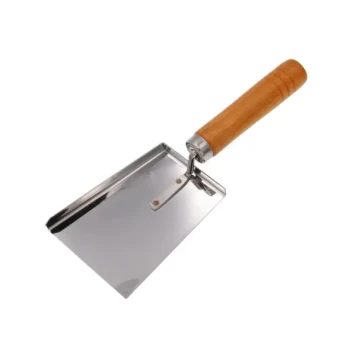
- Stainless Steel Pollen Shovel with Wooden Handle
- Heavy-Duty Ergonomic Grip Galvanized Pollen Shovel
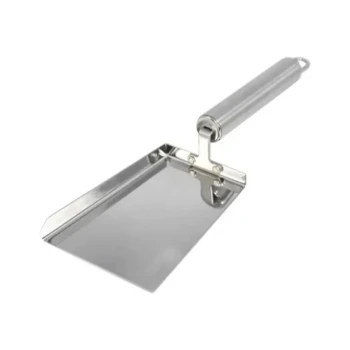
- Heavy-Duty Ergonomic Stainless Steel Pollen Shovel
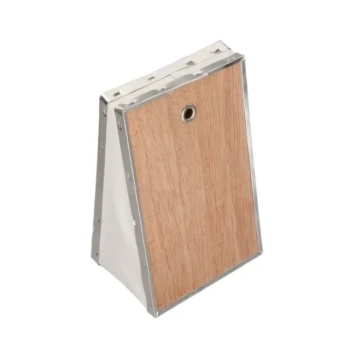
- 30 cm Plastic Entrance Hole Bee Pollen Trap and Collector
- Removable Plastic Pollen Trap With Ventilated Tray for Bees Pollen Collector
People Also Ask
- How do bee pollen collection tools affect the quality of bee pollen used in functional dairy ice cream production?
- Why should commercial apiaries focus on the collection of diversified bee products? Maximize Your Hive’s Profit Potential
- How does a specialized pollen collector facilitate the harvesting of diverse bee products? Automate High-Value Yields
- What is the impact of pollen collectors and associated equipment on the cost structure of pollen production? Maximize ROI
- What is the technical significance of using specialized cutting tools for propolis? Master Precision Pollen Harvesting