High-precision weighing equipment acts as the definitive analytical tool for quantifying the complex relationship between a honeybee colony and its environment. By continuously monitoring weight fluctuations at fixed intervals, this technology enables the precise calculation of average daily weight gain, serving as the only accurate metric to determine how efficiently a colony capitalizes on the nectar flow of specific local plants.
High-precision measurement goes beyond simple mass tracking; it provides the critical data link between a colony’s biological brood cycle and its actual foraging productivity. This offers verifiable proof of whether a specific honeybee ecotype possesses an adaptive advantage within its local ecosystem.
Quantifying Biological Efficiency
Calculating Average Daily Gain
To evaluate efficiency, you must move beyond static measurements. High-precision equipment monitors weight fluctuations continuously.
This allows for the calculation of average daily weight gain during the bloom periods of specific plants. This granular data isolates the colony's performance relative to specific botanical resources.
Connecting Brood Cycles to Productivity
Raw weight is not the only indicator of success; the context of the colony's growth matters.
This equipment links the internal biological brood cycle with external foraging productivity. By correlating these two factors, you can determine if the colony is converting energy into resources effectively or simply maintaining biomass.
Verifying Local Adaptation
Validating Ecotype Performance
A critical application of this technology is the verification of adaptive advantages.
Different honeybee ecotypes may perform differently in the same environment. High-precision weighing provides the direct output data needed to confirm if a specific ecotype is truly better suited for utilizing local resources compared to others.
Measuring Environmental Response
The data derived from this equipment acts as a feedback loop.
It reveals how the colony responds to environmental inputs (nectar flows) in real-time. This transforms beekeeping from an observational practice into a data-driven science, ensuring that claims of efficiency are backed by measurable evidence.
Understanding the Operational Requirements
While high-precision weighing provides invaluable data, it requires rigorous context to be useful.
The Necessity of Botanical Correlation
The equipment generates raw weight data, but it cannot identify the source of the weight gain on its own.
To derive meaning from the numbers, you must accurately correlate the "fixed intervals" of data collection with the specific nectar flow periods of local flora. Without this botanical context, the weight data loses its specific diagnostic value regarding resource utilization.
Net Gain vs. Total Intake
It is important to remember that the equipment measures net fluctuations.
The data reflects the balance between resource intake and metabolic consumption. Therefore, the "productivity" measured is the surplus energy stored, which is the ultimate metric for evaluating the sustainability and efficiency of the colony.
Making the Right Choice for Your Goal
To effectively utilize high-precision weighing in your evaluation strategies, align your metrics with your specific objectives.
- If your primary focus is Resource Management: Prioritize the calculation of average daily weight gain to identify exactly which local plants yield the highest nectar returns.
- If your primary focus is Genetic Selection: Analyze the correlation between the biological brood cycle and weight accumulation to identify ecotypes with the strongest adaptive advantages.
True efficiency is not just about gathering resources; it is about the verifiable adaptation of the colony to its specific environment.
Summary Table:
| Metric Category | Key Indicator | Strategic Value for Apiaries |
|---|---|---|
| Production Efficiency | Average Daily Weight Gain | Quantifies nectar flow utilization per plant species |
| Biological Correlation | Brood Cycle vs. Productivity | Evaluates energy conversion efficiency of the colony |
| Ecotype Assessment | Adaptive Advantage Data | Validates performance of specific honeybee genetics |
| Environmental Feedback | Real-time Net Weight Fluctuations | Guides data-driven decisions for hive migration and management |
Scale Your Apiary Efficiency with HONESTBEE
At HONESTBEE, we empower commercial apiaries and distributors with the high-precision tools necessary for data-driven beekeeping. Whether you are conducting scientific research into honeybee ecotypes or optimizing commercial honey yields, our comprehensive portfolio has you covered.
Our Value to You:
- Precision Technology: Advanced weighing systems to monitor colony health and productivity.
- Full-Scale Machinery: Specialized hardware from hive-making to honey-filling machines.
- Wholesale Solutions: A complete spectrum of beekeeping tools and essential consumables for large-scale operations.
Ready to transform your observational beekeeping into a high-yield, data-backed enterprise? Contact HONESTBEE today to explore our wholesale equipment and specialized machinery solutions.
References
- James P. Strange, Walter S. Sheppard. Persistence of the Landes ecotype of<i>Apis mellifera mellifera</i>in southwest France: confirmation of a locally adaptive annual brood cycle trait. DOI: 10.1051/apido:2007012
This article is also based on technical information from HonestBee Knowledge Base .
Related Products
- Digital Honey Refractometer for Precision Measurement of Optimal Honey Quality
- Precision Honey Refractometer Instrument for Quality Assessment
- Commercial Rotary Honey Filling Machine for Production
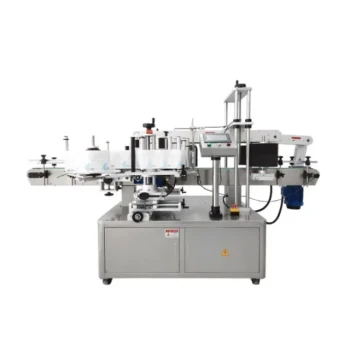
- Automatic Dual Sided In Line Labeling Machine
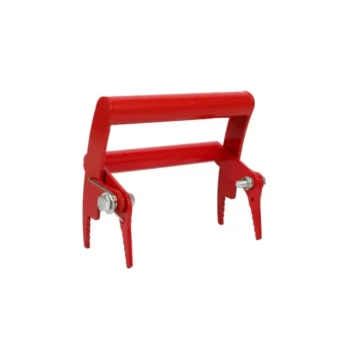
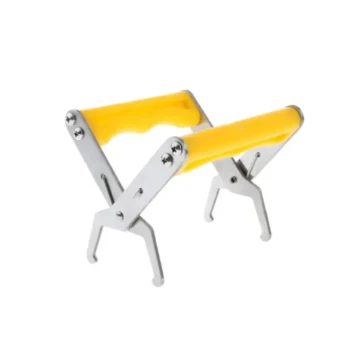
- Heavy-Duty Plier Action Frame Grip
People Also Ask
- What role do high-precision refractometers play in determining the maturity and quality of honey? Ensure Honey Purity.
- Do the color and viscosity of honey affect its refractometer reading? Mastering Moisture Measurement Accuracy
- What is a honey refractometer? The Essential Tool for Perfect Honey Quality
- How do refractometers ensure technical precision when measuring honey moisture? Secure Quality and Prevent Fermentation
- Why is a honey refractometer considered essential for commercial beekeepers? Ensure Honey Quality and Profitability