Hive microclimate control is essential because bees must manage two conditions at once: maintaining a brood-nest temperature of approximately 33°C–35°C (91°F–95°F) while removing moisture from raw nectar. Worker bees provide much of this control by fanning their wings, but well-designed hive entrances, covers, screened components, and insulation make that work more efficient.
A stable hive microclimate supports both colony growth and honey quality. Proper ventilation gives worker bees a controlled path for moving air and expelling moisture, while insulation and adjustable openings help prevent excessive heat loss or overheating.
Why Microclimate Control Matters
Brood requires a narrow temperature range
Developing brood is highly sensitive to temperature fluctuations. Worker bees regulate the brood area around approximately 33°C–35°C, using fanning, clustering, and heat generation to keep larval development on track.
If the hive overheats, workers must spend more energy ventilating and cooling the colony. If it becomes too cold, they consume additional food reserves to generate heat and protect the brood.
Honey curing depends on moisture removal
Raw nectar contains substantially more water than cured honey. Bees deposit it in open cells and fan air across the comb, accelerating evaporation until the honey reaches a stable, storage-ready condition.
Adequate airflow helps move humid air out of the hive. Without sufficient ventilation, moisture can accumulate, slowing curing and increasing the risk of fermentation or other quality problems.
Stable conditions support colony strength
Microclimate control affects more than immediate honey processing. Consistent temperature and humidity support egg laying, larval survival, brood development, and worker productivity.
A stronger colony is better positioned to manage nectar flows, defend the hive, and maintain its internal environment during seasonal stress.
How Worker Bees Create Airflow
Fanning generates directed ventilation
Worker bees fan their wings at hive entrances and within the comb structure. This behavior creates airflow that draws fresh air into the hive and pushes warm, humid air outward.
During honey flows, fanning can require substantial worker labor. Hardware that improves natural air exchange reduces the amount of effort needed to maintain suitable conditions.
Air moves across open nectar cells
Workers fan air across nectar stored in open cells. This increases evaporation and helps transform liquid nectar into thicker, shelf-stable honey.
The airflow must be sufficient without creating uncontrolled drafts through the brood area. Hive design therefore needs to balance air exchange, temperature retention, and colony protection.
Bees use entrances as airflow control points
Entrance openings function as physical valves. Bees can regulate traffic and airflow around these points, while beekeepers can use adjustable entrance hardware to adapt ventilation to weather, colony size, and seasonal conditions.
Hive Components That Support Ventilation
Adjustable entrances regulate air exchange
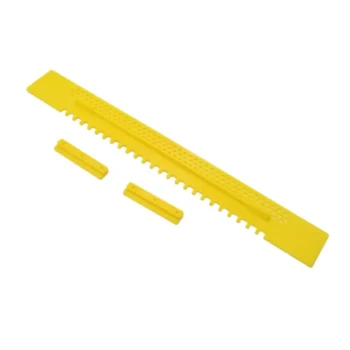
Adjustable entrances allow beekeepers to change the volume of air entering and leaving the hive. Larger openings can support airflow during hot weather or strong nectar flows, while reduced openings can help protect small colonies and limit exposure during colder periods.
Entrance reducers also help with colony defense and temperature retention. The correct setting depends on the season, colony strength, weather, and hive configuration.
Inner covers create controlled ventilation paths
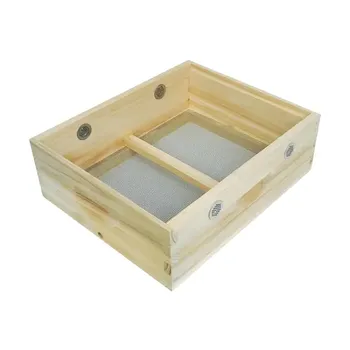
Ventilated or notched inner covers provide an upper route for warm, humid air to escape. The outer cover must be positioned so it does not block these openings.
Small spacers or raised contact points can create an additional gap between the inner cover and hive body. These modifications should be applied carefully so they improve airflow without exposing the colony to excessive drafts or pests.
Screened bottom boards improve air movement
Screened bottom boards allow air exchange through the lower portion of the hive and can help reduce heat and humidity buildup. They may be particularly useful in warm conditions or during periods of high nectar intake.
Their value depends on local climate and management practices. In colder or exposed conditions, excessive open ventilation can increase heat loss, so seasonal configuration is important.
Auxiliary entrances provide additional ventilation
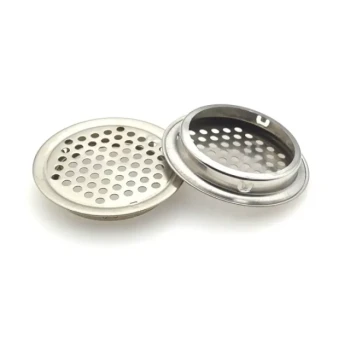
Small upper entrances or ventilation holes can improve airflow and may also serve as secondary access points. During hot weather, they can help relieve congestion and reduce overheating.
These openings should be closable with suitable plugs or tape when conditions change, especially for smaller colonies or during winter.
Insulation stabilizes the ventilation system
Ventilation works best when paired with appropriate insulation. Insulation reduces rapid temperature swings and limits the energy bees must spend heating or cooling the hive.
In winter, ventilation must still remove excess moisture without stripping away excessive heat. This balance helps reduce condensation, mold, and humidity-related disease risks.
Covers and hive bodies influence airflow
Hive covers, supers, and hive-body alignment determine how air travels through the colony. Properly fitted components create predictable convection paths and reduce dead zones where humid air can collect.
Adding supers before peak nectar flow also provides storage space. This reduces congestion and helps prevent overheating and swarming pressure associated with overcrowding.
Managing Ventilation During Peak Nectar Flow
Provide capacity before congestion develops
Rapid colony growth and heavy nectar intake can fill available space quickly. Adding honey supers and ensuring adequate storage capacity before the main flow helps keep bees distributed and reduces crowding.
In spring, reversing hive bodies may help distribute a rapidly expanding population more evenly, depending on the hive design and management system.
Keep upper ventilation paths clear
Notched inner-cover entrances must remain unobstructed. An outer cover that sits too far back or presses against the notch can restrict the exhaust path and undermine the intended ventilation design.
Routine inspection is therefore important, particularly after moving equipment, adding supers, or adjusting covers.
Use monitoring to guide adjustments
Temperature and humidity monitoring tools can help commercial operators identify overheating, excessive moisture, or inadequate airflow. Measurements are more reliable than applying the same ventilation setting to every colony and climate.
Monitoring is especially valuable for large apiaries, remote sites, and operations managing different hive configurations across changing weather conditions.
Understanding the Trade-offs
More ventilation is not always better
Excessive openings can create drafts, increase heat loss, and make it harder for smaller colonies to defend the hive. Ventilation should support airflow through the hive without destabilizing the brood nest.
The objective is controlled exchange, not maximum openness.
Screened components require seasonal judgment
Screened bottom boards and upper vents can be beneficial in hot, humid conditions, but their use should reflect local temperatures, wind exposure, colony size, and winter management.
A component that improves summer airflow may require modification or supplementation during cold weather.
Hardware cannot replace colony behavior
Bees remain the primary environmental-control system. Hive equipment supports their fanning, heating, clustering, and cooling behaviors; it does not eliminate the need for strong colonies and attentive management.
Poorly fitted or obstructed equipment can also work against the colony by restricting intended airflow or allowing uncontrolled exposure.
Mechanical dehydration has a limited role
Commercial honey dehydration and extraction equipment can help achieve precise final moisture levels after harvest. It should be viewed as a post-harvest quality-control tool, not a substitute for appropriate hive ventilation and proper honey ripening.
The best results come from reducing unnecessary stress on worker bees while preserving honey quality through sound in-hive management.
Making the Right Choice for Your Goal
The most effective equipment program combines compatible components, seasonal adjustability, and dependable supply support.
- If your primary focus is brood development: Prioritize well-fitted hive bodies, suitable insulation, and adjustable ventilation that maintains a stable brood temperature without creating excessive drafts.
- If your primary focus is honey curing: Select hives with clear upper ventilation paths, effective entrance control, and airflow-supporting components that help workers remove moisture from open nectar cells.
- If your primary focus is summer production: Use screened bottom boards, ventilated covers, auxiliary entrances, and sufficient super capacity to reduce overheating and congestion.
- If your primary focus is overwintering survival: Balance insulation with moisture exhaust, limiting uncontrolled openings while preventing condensation and humidity buildup.
- If your primary focus is commercial sourcing: Work with a supplier able to provide a full range of compatible hive hardware, responsive technical support, rapid fulfillment, and consistent product quality across large orders.
Well-designed hive components do not replace worker bees—they make the colony’s natural ventilation work more efficient, stable, and productive.
Summary Table:
| Aspect | Critical Range/Requirement | Role of Hive Components |
|---|---|---|
| Brood temperature | 33–35°C (91–95°F) | Insulation and adjustable ventilation maintain stable warmth |
| Honey curing | Moisture removal from nectar | Upper ventilation paths and entrances aid airflow |
| Worker bee effort | Reduced by efficient airflow | Screened bottom boards and auxiliary entrances facilitate fanning |
| Overheating prevention | Avoid heat buildup | Ventilated covers and super capacity prevent congestion |
| Overwintering | Balance moisture and heat | Insulation and limited openings prevent condensation |
Ensure your hives thrive with HONESTBEE. We provide comprehensive beekeeping equipment and supplies, from hive components to honey processing machinery, for commercial apiaries and distributors. Enjoy fast delivery, OEM/ODM support, and dedicated service. Contact us today to optimize your apiary's microclimate and boost productivity!
Related Products
- Professional Reversible Beehive Hive Entrance
- Stainless Steel Round Beehive Air Vents for Ventilation
- Professional Beekeeping Quilt Box with Multi Vent Moisture Control
- Steel Round Disc Entrance Reducer for Flexzion Bee Hive Nuc Box Gate
- Reusable Aluminium Beetle Trap for Small Hive Beetles Silver Bullet
People Also Ask
- Where is the hive entrance typically located? Optimize Your Hive's Health and Honey Production
- What role does the size of the entrance play in hive ventilation? Master Beehive Climate Control
- What roles does the hive entrance (piquera) play in beehive management and colony health? Essential Guide for Pro Apiaries
- What are the primary advantages of providing a smaller entrance for a beehive? Boost Defense and Winter Survival
- Why adjust beehive entrance size for humidity? Boost Honey Ripening and Varroa Control in Commercial Apiaries