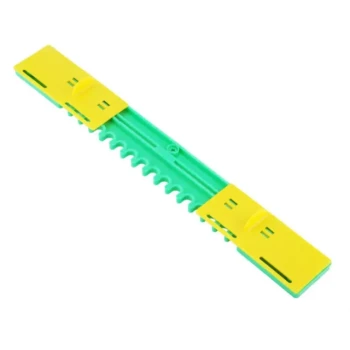
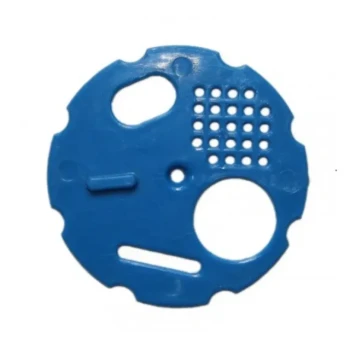
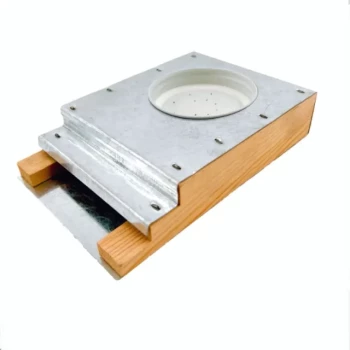
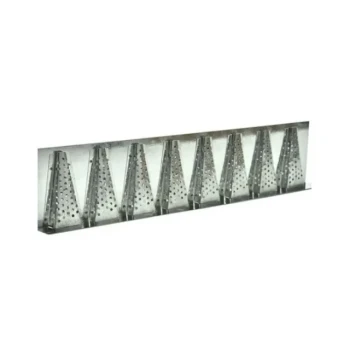
Reducing the size of a beehive entrance acts as a strategic force multiplier for colony defense and efficiency. By narrowing the physical opening, you significantly decrease the number of bees required to guard the hive. This simple adjustment allows the colony to reallocate its workforce toward vital internal tasks rather than perimeter security.
A smaller entrance transforms the hive's defensive strategy from a resource-heavy blockade into an efficient choke point. It minimizes the energy spent on guarding and thermoregulation, allowing the colony to focus on resource gathering and brood rearing.
Optimizing Colony Workforce
Reducing Defensive Overhead
A wide entrance requires a large number of bees to form a defensive wall. By shrinking the entrance, only a few guard bees are needed to monitor the gap effectively.
Redirecting Labor to Essential Tasks
When fewer bees are conscripted for guard duty, the colony’s available labor pool increases. These "freed" bees are immediately redirected to high-value activities.
Boosting Productivity
The surplus labor force can focus on foraging for nectar and pollen. Internally, more bees become available for tending to the brood, directly supporting population growth.
Fortifying Against Intruders
Physical Exclusion of Large Predators
A reduced entrance creates a physical barrier against larger pests. Mammals such as mice, raccoons, and opossums are physically unable to squeeze through the smaller opening to raid the hive for honey or warmth.
Improving Defense Against Robbers
Smaller pests, such as wasps or robber bees from other hives, rely on speed and stealth. A constricted entrance creates a "choke point" where guard bees can easily identify and intercept these intruders before they gain access.
Understanding the Trade-offs: Climate and Airflow
Managing Heat Loss
In colder climates, a smaller entrance is a critical tool for thermodynamics. It minimizes drafts and prevents valuable heat from escaping, reducing the energy bees must consume to keep the cluster warm.
The Ventilation Risk
However, a smaller entrance can restrict airflow during hot weather. In warmer climates, or during peak summer, a larger opening may be necessary to improve air circulation and prevent the hive from overheating.
Assessing Your Hive’s Needs
Before installing an entrance reducer, assess your specific goals and environmental conditions.
- If your primary focus is Colony Defense: Use a smaller entrance to help a weak colony defend itself against wasps and robber bees.
- If your primary focus is Overwintering: Reduce the entrance size to minimize heat loss and prevent mice from nesting inside the hive.
- If your primary focus is Ventilation: Monitor the hive during hot spells; if bees are "bearding" (clustering outside), increase the opening size to improve airflow.
By dynamically adjusting the entrance size, you ensure your colony expends its energy on growth rather than survival.
Summary Table:
| Feature | Smaller Entrance Benefit | Key Outcome |
|---|---|---|
| Colony Defense | Creates a defensible choke point | Easier to repel robber bees & wasps |
| Workforce | Fewer guard bees required | More foragers available for nectar gathering |
| Thermoregulation | Minimizes heat loss & drafts | Improved overwintering success |
| Pest Control | Physical exclusion of predators | Prevents mice & large pests from entering |
| Productivity | Reduced energy expenditure | Faster brood rearing & population growth |
Scale Your Apiary Operations with HONESTBEE
Optimizing hive efficiency is just the first step. At HONESTBEE, we empower commercial apiaries and professional distributors with the high-performance tools needed to succeed at scale. From durable hive-making machinery and precision honey-filling systems to a comprehensive range of wholesale beekeeping supplies and consumables, we provide the hardware that drives industry growth.
Ready to elevate your beekeeping business? Our team is dedicated to supporting your success with premium equipment and honey-themed cultural merchandise tailored for your market.
Contact HONESTBEE Today to Discuss Your Wholesale Needs
Related Products
- Beehive Entrance Discs Plastic Bee Entrance Disc for Bee Hives
- Professional Reversible Beehive Hive Entrance
- Steel Round Disc Entrance Reducer for Flexzion Bee Hive Nuc Box Gate
- Multi-Functional Sliding Hive Entrance for Beekeeping
- Multi-Functional Rotary Hive Entrance Disc for Beekeeping
People Also Ask
- What is the best entrance for a bee hive? Maximize Colony Health & Honey Production
- What happens if you block the entrance to a bee hive? Avoid This Dangerous Mistake
- How does entrance configuration vary seasonally for beekeepers? A Guide to Year-Round Hive Health
- Why adjust beehive entrance size for humidity? Boost Honey Ripening and Varroa Control in Commercial Apiaries
- How big should a beehive entrance be? Optimize for Colony Health & Honey Production