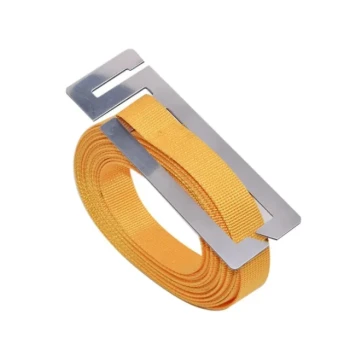
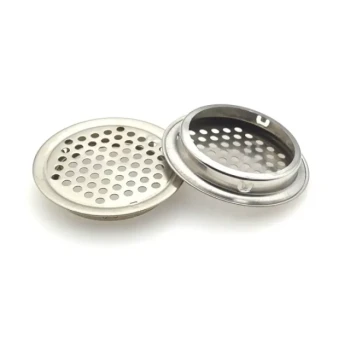
To ensure the safety of honeybee colonies during pest control operations, closing hive entrances is a mandatory safety protocol. This measure prevents honeybees from accidentally coming into physical contact with or ingesting toxic protein baits designed specifically for Vespa velutina (Asian hornet). By restricting bee movement for several hours, you eliminate the risk of accidental poisoning while allowing the hornets to forage and transport the toxic agent back to their nests undisturbed.
Core Takeaway: Temporarily closing beehive entrances is a critical process control that protects honeybee assets from accidental toxic exposure while maximizing the efficiency of Vespa velutina baiting programs. This dual-purpose strategy ensures colony survival and effective pest eradication.
Mitigating Risk to Honeybee Colonies
Prevention of Accidental Toxic Ingestion
The primary objective of entrance closure is to create a physical barrier between the honeybees and the toxic protein bait. During active baiting, honeybees may attempt to investigate the bait source, leading to lethal ingestion. Closing the entrance for a few hours ensures that only the targeted hornets have access to the bait during their peak foraging periods.
Avoiding Physical Contamination
Beyond ingestion, honeybees can become accidental carriers of the toxic agent through physical contact. If a bee touches the bait and returns to the hive, it can spread the toxin to the rest of the colony, including the queen and brood. Entrance control serves as a definitive safeguard against this type of secondary poisoning, maintaining the biological integrity of the hive.
Optimizing Hornet Bait Collection
By keeping the bees inside, the Vespa velutina can forage the bait without competition or defensive interference from the honeybee colony. This "clear field" approach maximizes the amount of toxic agent the hornets collect and return to their own nests. This efficiency is vital for distributors and professional beekeepers who require high-impact results from their pest control investments.
Enhancing Management Through Entrance Control
Precision Monitoring and Data Collection
Restricting or narrowing entrances is not only for safety but also for high-quality data acquisition. When entrances are controlled, it becomes possible to accurately count returning foragers and assess the impact of external stressors. This level of precision is essential for professional operations that demand measurable outcomes and data-driven hive management.
Disease Detection and Sampling
Closing entrances allows for the strategic collection of older forager bees, which are more likely to carry pathogens like Nosemosis spores. For B2B resellers providing health diagnostic tools, understanding this sampling method is key. It ensures that the samples provided for testing are representative of the colony's actual infection levels, leading to better treatment recommendations.
Forcing Path Compliance
In many hive management scenarios, such as using pollen traps, closing alternative gaps or secondary ventilation holes is critical. Honeybees instinctively seek the path of least resistance; if a secondary entrance is available, they will bypass the intended control mechanism. Forcing all traffic through a single, controlled point ensures that every bee is accounted for and every management tool functions at 100% efficiency.
Understanding the Trade-offs
Heat Stress and Ventilation Risks
The most significant risk of closing a hive entrance is the rapid buildup of heat and carbon dioxide within the hive. In high-temperature environments, even a few hours of closure can lead to "meltdown" or suffocation if the hive lacks adequate screened bottoms or secondary ventilation. Professionals must balance the need for toxic bait protection with the fundamental requirement for airflow.
Timing and Operational Windows
Entrance closure must be timed precisely to coincide with hornet activity while minimizing the disruption to the bees' foraging schedule. Extended closures during peak nectar flows can lead to significant production losses. Success depends on a "rapid response" approach, where the duration of closure is strictly limited to the window necessary for baiting efficacy.
Applying These Principles to Your Professional Portfolio
How to Apply This to Your Project
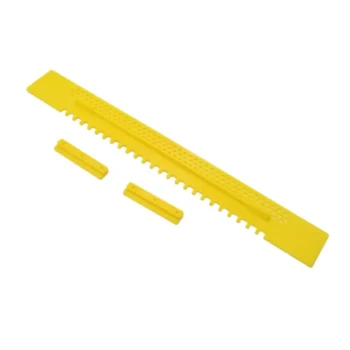
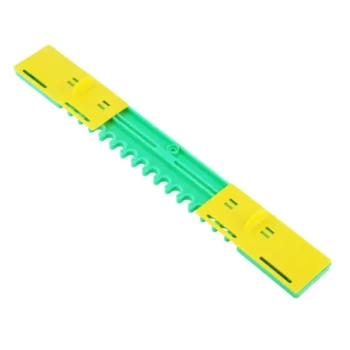
- If your primary focus is Comprehensive Full-Spectrum Solutions: Ensure your product catalog includes both the toxic baits and the physical entrance reducers or traps necessary to implement these safety protocols safely.
- If your primary focus is Professional Industry Expertise: Educate your B2B clients on the necessity of ventilation during entrance closure to prevent colony losses from overheating.
- If your primary focus is Rapid Order Fulfillment: Focus on maintaining high stock levels of hive hardware that allows for easy entrance manipulation, ensuring your clients can react quickly to Vespa velutina sightings.
Mastering the technical nuances of hive entrance control allows for the safe and highly efficient eradication of pests while ensuring the long-term productivity of the honeybee colony.
Summary Table:
| Reason for Closure | Benefit to Colony | Operational Strategic Value |
|---|---|---|
| Prevent Toxic Ingestion | Eliminates accidental contact with baits | Ensures 100% survival of foraging honeybees |
| Avoid Contamination | Stops secondary poisoning within the hive | Protects the queen, brood, and honey integrity |
| Maximize Bait Uptake | Removes bee-hornet competition at bait sites | Increases efficiency of hornet nest eradication |
| Precision Monitoring | Allows for accurate traffic & health audits | Provides data-driven insights for B2B management |
| Environmental Control | Prevents "path bypass" during treatments | Guarantees all management tools function at 100% |
Scale Your B2B Beekeeping Business with HONESTBEE
As a leading global supplier, HONESTBEE caters specifically to commercial apiaries and professional distributors. We understand that success in pest management and hive productivity requires more than just tools—it requires a reliable partner with deep industry expertise.
Why Choose HONESTBEE for Your Wholesale Needs?
- One-Stop Sourcing: From high-precision honey-filling machines and hive-making hardware to professional-grade consumables.
- Premium B2B Services: We offer competitive profit margins, robust OEM/ODM support, and rapid response times for high-volume orders.
- Efficient Fulfillment: Ultra-fast delivery ensures your inventory remains stocked and your customers remain satisfied.
Elevate your product portfolio with our comprehensive beekeeping solutions. Contact our expert team today to discuss wholesale pricing and custom orders!
References
- Jesús F. Barandika, Ana L. García‐Pérez. Efficacy of Protein Baits with Fipronil to Control Vespa velutina nigrithorax (Lepeletier, 1836) in Apiaries. DOI: 10.3390/ani13132075
This article is also based on technical information from HonestBee Knowledge Base .
Related Products
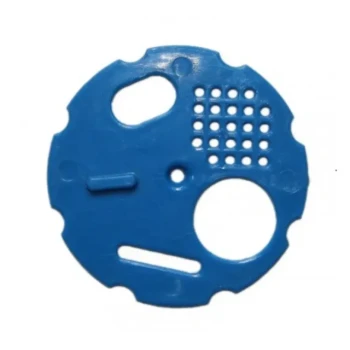
- Beehive Entrance Discs Plastic Bee Entrance Disc for Bee Hives
- Steel Round Disc Entrance Reducer for Flexzion Bee Hive Nuc Box Gate
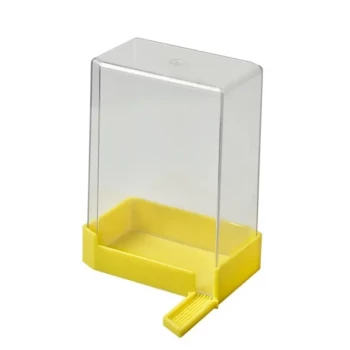
- Professional Hive Front Entrance Bee Feeder
- Beehive Entrance Reducer Guardian Metal Hive Entrance for Bees
- White Plastic 0.5L Beekeeping Entrance Feeder for Bees
People Also Ask
- What is the best entrance for a bee hive? Maximize Colony Health & Honey Production
- What happens if you block the entrance to a bee hive? Avoid This Dangerous Mistake
- How does entrance configuration vary seasonally for beekeepers? A Guide to Year-Round Hive Health
- Why adjust beehive entrance size for humidity? Boost Honey Ripening and Varroa Control in Commercial Apiaries
- How big should a beehive entrance be? Optimize for Colony Health & Honey Production