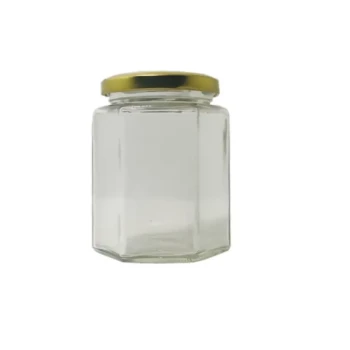
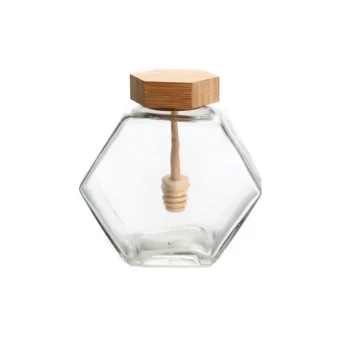
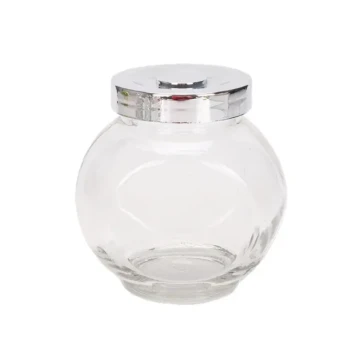
Maintaining the analytical integrity of honey requires rigorous storage protocols to ensure test accuracy and product quality. Using clean glass bottles prevents chemical leaching and moisture absorption that can occur with reactive or permeable materials like plastic. A refrigerated environment at +4°C is essential to halt microbial growth and slow the natural chemical degradation of honey's complex enzymes and organic acids. Together, these measures preserve the sample’s original state, ensuring that subsequent laboratory results are both scientific and representative of the bulk supply.
The Central Takeaway: Utilizing inert glass and precise temperature control is the only way to prevent sample fermentation, chemical contamination, and structural degradation, allowing distributors to provide definitive proof of honey purity and origin.
The Scientific Superiority of Glass Containers
Chemical Inertness and Purity
Honey is naturally acidic, typically maintaining a pH between 3 and 4, which can cause reactive packaging to leach impurities. Glass is chemically inert, meaning it will not react with the complex organic acids or enzymes found in honey. This prevents the introduction of chemical leachates or trace metals that often migrate from plastic containers, ensuring the honey's mineral profile remains untainted.
Superior Moisture Barrier
Honey is highly hygroscopic, meaning it actively absorbs moisture from the surrounding environment. Glass bottles offer exceptional sealing performance that effectively blocks external moisture ingress. By preventing the honey from absorbing water, you eliminate the risk of dilution and subsequent fermentation or spoilage prior to analysis.
Maintaining Morphological Integrity
For advanced testing like palynological analysis, the physical structure of pollen grains must remain unchanged. Glass containers provide a stable environment that protects these microscopic indicators. This allows technicians to accurately identify the botanical and geographical origin of the honey, a critical factor for premium B2B trading.
Thermal Control and Sample Stability
Inhibiting Microbial Activity
A consistent refrigerated environment at +4°C effectively halts the activity of yeasts and bacteria. This temperature range is high enough to avoid extreme freezing damage but low enough to prevent microbial fermentation. Maintaining this "cold chain" for samples is a hallmark of professional industry expertise and quality assurance.
Slowing Chemical Degradation
High temperatures can trigger the breakdown of bioactive substances and increase levels of unwanted compounds like HMF (hydroxymethylfurfural). Storing samples at +4°C minimizes photochemical degradation and slows the natural aging process of the honey's components. This ensures that the physicochemical indicators measured in the lab reflect the honey’s true quality at the time of sourcing.
Controlling the Crystallization Process
While all honey eventually crystallizes, low-temperature storage slows the crystallization process significantly. This keeps the sample in a more manageable state for laboratory preparation and homogenization. By maintaining a stable physical state, the lab can produce more consistent and repeatable test results.
Understanding the Trade-offs and Logistics
Fragility versus Chemical Stability
The primary trade-off with glass is its fragility and weight compared to plastic alternatives. While glass increases the risk of breakage during ultra-fast delivery, it is the only material that guarantees zero chemical migration. For high-stakes analytical testing, the risk of sample contamination in plastic far outweighs the logistical convenience.
The Cost of Cold Chain Maintenance
Maintaining a strict +4°C environment requires specialized equipment and monitoring during transport and storage. While this increases operational costs, it prevents the total loss of sample integrity due to fermentation. For wholesalers, this investment is necessary to avoid the much higher costs of rejected shipments or failed quality audits.
Applying These Standards to Your Supply Chain
Professional sourcing requires a commitment to these technical standards to ensure the value of your product portfolio remains intact from the hive to the laboratory.
- If your primary focus is Regulatory Compliance: Use sterilized glass and strict refrigeration to ensure your samples meet international standards for purity and HMF levels.
- If your primary focus is Authenticity Verification: Prioritize glass storage to protect pollen grains and mineral profiles, which are essential for proving geographical origin to high-end buyers.
- If your primary focus is Long-Term Quality Assurance: Implement a +4°C storage protocol to extend the "analytical shelf life" of your samples, allowing for re-testing even months after the initial harvest.
By adhering to these rigorous storage standards, you ensure that every analytical report is a true and accurate reflection of your premium honey quality.
Summary Table:
| Storage Factor | Standard Requirement | Impact on Analytical Results |
|---|---|---|
| Container Material | Chemically Inert Glass | Prevents chemical leaching and preserves mineral profiles. |
| Temperature | +4°C (Refrigerated) | Halts fermentation and slows HMF (degradation) buildup. |
| Moisture Control | High-Performance Sealing | Blocks hygroscopic absorption to prevent sample dilution. |
| Biological State | Morphological Stability | Preserves pollen structures for accurate origin verification. |
Secure Your Honey Quality with HONESTBEE
Protect your profit margins and brand reputation by partnering with a supplier that masters the science of honey preservation. HONESTBEE offers distributors and B2B resellers a comprehensive one-stop sourcing experience, providing everything from specialized beekeeping tools to high-precision honey-filling and hive-making machines.
Leverage our deep industry expertise, rapid response times, and ultra-fast delivery to streamline your supply chain and ensure your products meet the highest international standards.
Ready to upgrade your wholesale operations? Contact HONESTBEE today for premium equipment and expert support.
References
- Duygu Nur Çobanoğlu, Bekir Salih. Melissopalynological Evaluation of Honey from Ganja Gazakh Region of Azerbaijan. DOI: 10.30910/turkjans.1602179
This article is also based on technical information from HonestBee Knowledge Base .
Related Products
- Premium Diamond-Faceted Glass Honey Dispenser
- Hexagonal Glass Honey Jars with Metal Lug Caps Elegant Versatile Packaging
- Classic Glass Honey Jar with Metal Lug Cap for Beehive Storage
- Classic Round Glass Honey Jar with Lid
- Hexagonal Glass Honey Jar with Wooden Lid Integrated Dipper Elegant Functional Storage
People Also Ask
- How to clean a honey dripper? A Simple Guide to Preserve Your Tool's Quality
- What is the proper method for cleaning a honey dipper? Maintain Pure Flavor with These Easy Pro Tips
- What is a honey dipper? Master the Art of the Perfect Drizzle with This Essential Tool
- How do you clean and store a honey dipper? Simple Steps for Long-Lasting Performance
- What is a honey taking spoon called? Discover the Tool for a Perfect, Mess-Free Drizzle