High-precision comparative weighing is the only reliable method to isolate the specific weight of the honey from the variable weights of the hive components. By measuring the frame weight immediately before and after extraction, you calculate the difference to determine the "true net yield." This eliminates significant inaccuracies caused by non-consumable materials, ensuring your data reflects actual biological productivity rather than equipment variances.
Core Takeaway Calculating gross colony weight is insufficient for scientific evaluation because it includes the weight of frame materials, beeswax foundations, and propolis. Comparative high-precision weighing isolates the actual honey mass, providing the unadulterated data required to identify and breed high-yield honeybee populations.
Isolating True Net Yield
To understand the productivity of a colony, you must distinguish between the weight of the hive and the weight of the harvest.
The Problem with Gross Weight
A standard honey frame is not a uniform unit of measure. Variables such as the density of the wood or plastic frame materials, the thickness of the beeswax foundations, and the accumulation of propolis vary from frame to frame. Relying on a single "full" weight assumes these structural elements are constant, which leads to skewed data.
The Comparative Weighing Solution
The comparative method involves two specific measurements: the gross weight before extraction and the tare weight immediately after extraction. The mathematical difference between these two figures filters out the structural variables mentioned above. This results in a precise calculation of the true net honey yield, which is the only metric that matters for production analysis.
The Strategic Value of Precision Data
Beyond simple harvest totals, high-precision weighing serves as a fundamental diagnostic tool for apiary management.
Selecting Superior Genotypes
The primary reference identifies this weighing method as a core mechanism for selecting high-yield honeybee populations. To breed superior stock, you must be certain that a "heavy" frame is heavy due to honey storage, not because of a heavier wooden frame or excess propolis. Precision weighing ensures that the selected genetic lines are actually the most productive foragers.
Eliminating Subjective Error
Manual observation or low-resolution estimates introduce subjective error into management decisions. High-precision equipment replaces "best guesses" with quantitative facts regarding foraging capacity and food storage. This creates a scientific baseline for evaluating how different colonies react to treatments or environmental changes.
Economic and Efficiency Analysis
Accurate yield records allow managers to compare the economic efficiency of different honeybee genotypes. By integrating this data into recording systems, you can determine if specific biological stocks justify the investment in feed and equipment. This shifts apiary management from intuitive husbandry to data-backed industrial optimization.
Understanding the Trade-offs
While high-precision weighing is scientifically superior, it introduces operational challenges that must be managed.
Operational Latency
Implementing a weigh-before and weigh-after protocol adds steps to the extraction workflow. This can slow down rapid processing lines if the weighing equipment is not seamlessly integrated into the harvesting machinery.
Data Complexity
Collecting high-fidelity data requires a system to record, store, and analyze it. Without a modern data recording system to pair with the scales, the raw numbers may become overwhelming and difficult to translate into actionable management decisions.
Making the Right Choice for Your Goal
The level of precision you require depends on the intended outcome of your apiary operations.
- If your primary focus is Genetic Breeding: You must use comparative weighing to ensure selection is based strictly on biological honey production, not hardware variance.
- If your primary focus is Commercial Efficiency: You should utilize precision data to identify which bee stocks provide the highest return on investment regarding feed and management time.
- If your primary focus is Treatment Monitoring: You need precise measurements to objectively quantify how specific interventions impact colony vitality and foraging capacity over time.
Precision is not just about knowing how much honey you have; it is about understanding exactly how efficient your bees are at producing it.
Summary Table:
| Metric Type | Measurement Focus | Primary Variables Removed | Strategic Value |
|---|---|---|---|
| Gross Weight | Total frame mass | None (includes wood/wax) | General harvest estimation |
| Tare Weight | Post-extraction frame | Honey residue | Baseline for frame material weight |
| Net Yield | Difference (Pre - Post) | Wood, wax, propolis, hardware | Identifying high-yield genotypes |
| Precision Data | High-resolution metrics | Human error & estimation | Data-backed industrial optimization |
Maximize Your Colony Productivity with HONESTBEE
Precision data is the foundation of a profitable commercial apiary. HONESTBEE empowers commercial apiaries and distributors with the professional-grade tools needed to optimize every harvest.
From high-precision weighing integration to advanced honey-filling machines and specialized hive-making hardware, we provide the full spectrum of beekeeping machinery and essential consumables. Whether you are breeding superior genotypes or scaling industrial production, our comprehensive wholesale solutions ensure your operations are backed by accuracy and efficiency.
Ready to elevate your apiary's performance? Contact HONESTBEE Today to explore our complete equipment portfolio and discover how we can streamline your honey production.
References
- Aleš Gregorc, Vesna Lokar. SELECTION CRITERIA IN AN APIARY OF CARNIOLAN HONEY BEE (APIS MELLIFERA CARNICA) COLONIES FOR QUEEN REARING. DOI: 10.5513/jcea01/11.4.848
This article is also based on technical information from HonestBee Knowledge Base .
Related Products
- Digital Honey Refractometer for Precision Measurement of Optimal Honey Quality
- Precision Honey Refractometer Instrument for Quality Assessment
- Commercial Rotary Honey Filling Machine for Production
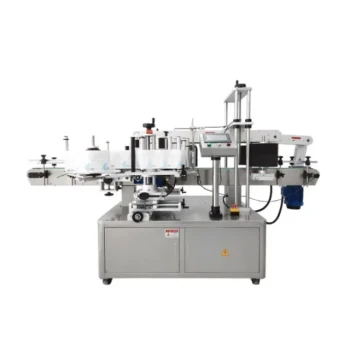
- Automatic Dual Sided In Line Labeling Machine
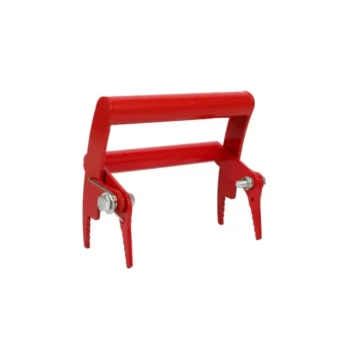
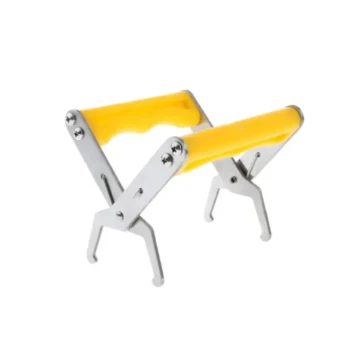
- Heavy-Duty Plier Action Frame Grip
People Also Ask
- What role do high-precision refractometers play in determining the maturity and quality of honey? Ensure Honey Purity.
- Do the color and viscosity of honey affect its refractometer reading? Mastering Moisture Measurement Accuracy
- What is a honey refractometer? The Essential Tool for Perfect Honey Quality
- How is the reading taken from a honey refractometer? A Guide to Accurate Moisture Measurement
- Why is a honey refractometer considered essential for commercial beekeepers? Ensure Honey Quality and Profitability