The primary function of mixing protein powder with high-concentration syrup and powdered sugar is to create a necessary carrier system for dry nutritional supplements. Honeybees cannot effectively ingest dry powders like casein or whey protein on their own; the sweet mixture ensures palatability, provides essential energy, and binds the nutrients into a form the colony can consume.
By transforming dry protein into a semi-solid "bee candy," beekeepers create a stable delivery mechanism that ensures consistent ingestion of supplements while maintaining vital moisture levels within the hive.
Overcoming Ingestion Barriers
The Carrier Principle
Honeybees are not biologically adapted to consume loose, dry powders directly. The high-concentration syrup and powdered sugar act as a vehicle, suspending the protein particles in a medium the bees can manipulate.
This formulation allows for the reliable delivery of supplemental dry substances, specifically casein or whey protein.
Ensuring Palatability
Nutritional value is irrelevant if the bees refuse to eat it. The sugar component drives the feeding instinct, ensuring the colony is attracted to the supplement.
By masking the texture and taste of the raw protein with a high-energy sweet source, you ensure the bees actively consume the feed rather than ignoring it.
The Role of Physical Consistency
Moisture Maintenance
The texture of bee candy is critical for hive health. The semi-solid state of the mixture helps maintain moisture within the hive environment.
This prevents the feed from drying out, which would make the nutrients inaccessible to the bees.
preventing Nutrient Dissipation
Loose powders are easily lost, blown away, or tracked out of the hive as waste. Binding the protein into a cohesive candy mass prevents the loss or dissipation of these essential nutritional components.
This ensures that the resources you provide are actually utilized for colony maintenance and growth.
Understanding the Trade-offs
The Balance of Viscosity
While the syrup acts as a binder, the ratio must be precise. If the mixture is too dry, the bees cannot ingest the protein; if it is too wet, it may drip or ferment, potentially harming the colony.
Nutritional dependency
Relying heavily on sugar to deliver protein adds significant carbohydrates to the diet. While this provides energy, it is primarily a delivery method, and the focus must remain on the bioavailability of the protein source (casein/whey) within that sugar matrix.
Making the Right Choice for Your Goal
When preparing bee candy, consider your specific colony objectives:
- If your primary focus is Colony Growth (Spring): Prioritize a mix that ensures maximum palatability to drive rapid intake of the protein needed for brood rearing.
- If your primary focus is Survival (Winter/Scarcity): Ensure the semi-solid consistency is dense enough to last, providing a long-term energy reserve alongside the protein.
Success lies in creating a mixture that balances the physical needs of the hive with the biological limitations of how bees ingest food.
Summary Table:
| Component | Primary Function | Benefit to Honeybees |
|---|---|---|
| Protein Powder | Nutritional Supplement | Supports brood rearing and colony growth |
| High-Concentration Syrup | Binding Agent | Creates a manageable semi-solid consistency |
| Powdered Sugar | Palatability Booster | Drives feeding instinct and provides quick energy |
| Semi-solid Texture | Moisture Retention | Prevents feed from drying out or being wasted |
Maximize Your Colony’s Potential with HONESTBEE
At HONESTBEE, we understand that high-quality nutrition is the backbone of a thriving apiary. Whether you are a commercial beekeeper or a specialized distributor, our comprehensive wholesale solutions provide everything you need to succeed. We supply high-performance beekeeping machinery—from hive-making to honey-filling—alongside a full spectrum of specialized tools and consumables designed for modern apiculture.
Ready to scale your operations? Let HONESTBEE provide the expert equipment and supplies your business deserves. Contact us today to explore our catalog!
References
- Mahmoud Darwish, Salmaa Galal. Effect of Milk Protein Nutrition (Cow casein, Buffalo casein and Whey protein isolate (WPI) on Brood Area and Hypopharyngeal glands development in Honeybee Colonies (Apis mellifera L.). DOI: 10.21608/sjas.2022.120011.1190
This article is also based on technical information from HonestBee Knowledge Base .
Related Products
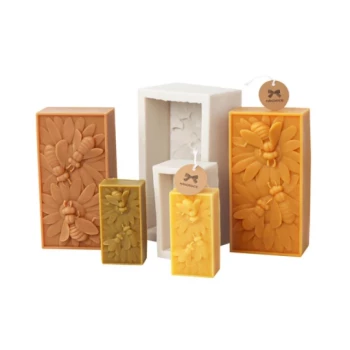
- Bee Floral Relief Silicone Mold for Artisan Soap Candle Making
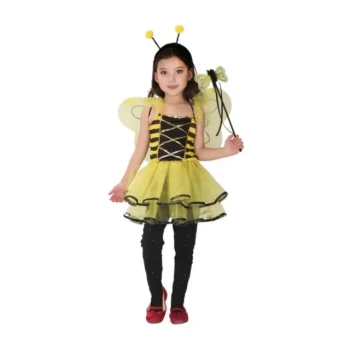
- Adorable Charming Playful Childs Bee Costume Set
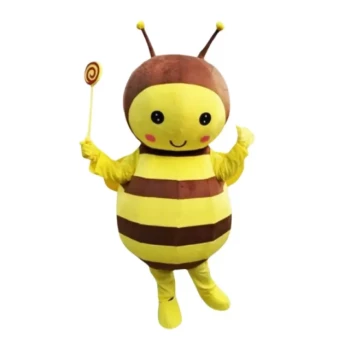
- Plush Bee Mascot Costume Professional Engaging Brand Ambassador
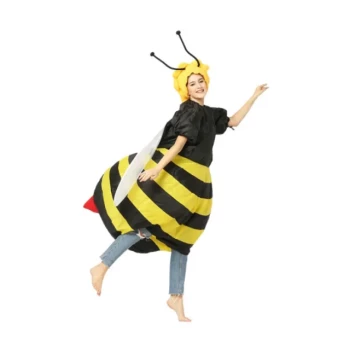
- Bee Inflatable Costume Professional Engaging Promotional Attire for Events & Marketing
- Premium 6-Cavity Bee and Floral Themed Silicone Soap Mold
People Also Ask
- Is spray release necessary when using silicone molds for candle making? Master the Art of Flawless Demolding
- How do you secure a silicone mold for candle making? Prevent Leaks and Achieve Perfect Candles
- Why are silicone molds preferred over tin or plastic molds for beeswax candles? Boost Efficiency & Quality
- What are the advantages of silicone molds for queen cell cups? Upgrade Your Queen Rearing Precision
- How do you remove a finished candle from the mold? Master the Art of Flawless Demolding