Silicone molds provide a distinct technical advantage over traditional wooden molds primarily through their inherent non-stick properties and structural flexibility. While wooden molds typically struggle with beeswax adhesion, requiring significant effort to release the formed cup, silicone ensures effortless demolding and superior surface consistency without the need for extensive cleaning.
Core Takeaway: By adopting silicone molding technology, producers can transition from variable manual dipping to high-precision batch production. This method guarantees uniform cell dimensions while virtually eliminating the maintenance and cleaning downtime associated with traditional wooden equipment.
Material Interaction and Demolding
Overcoming Wax Adhesion
The primary limitation of wooden molds is the porosity of the material. Beeswax tends to adhere tenaciously to wood, often requiring water soaking or lubrication to facilitate release.
Silicone possesses natural non-stick properties. Wax cools and hardens against the silicone surface but does not bond to it.
Ease of Separation
Because silicone is flexible, the molds can be slightly manipulated to pop the wax cups out.
This eliminates the mechanical stress often applied to wax cups when prying them off rigid wooden sticks, reducing the number of broken or deformed cups.
Achieving Dimensional Uniformity
Precision Engineering
Traditional manual dipping results in variations in wall thickness and cup height.
Silicone molds are manufactured to exact specifications. They produce cups with precise dimensional uniformity, ensuring every unit meets the standard, such as a consistent height of 11 mm.
Elimination of Irregularities
Manual dipping often leaves "drips" or irregular edges at the bottom of the cup.
Molding compresses the wax into a defined shape. This eliminates irregular edges and height variations, resulting in a standardized product that is easier to handle and graft into.
Production Efficiency and Throughput
Simultaneous Batch Processing
Wooden dipping is often a sequential process or limited to small clusters.
Silicone molds are designed to work in conjunction with specialized cell bars. This allows for the simultaneous molding of multiple cell cups in a single pour.
Reduced Cycle Times
The combination of batch processing and rapid demolding significantly increases production throughput.
Operators spend less time fighting with the tool and more time producing usable inventory.
Operational Maintenance
Minimized Cleaning Downtime
Wooden molds accumulate wax residue that must be scraped or boiled off regularly to maintain efficacy.
Because wax does not adhere to silicone, residue buildup is negligible. This significantly reduces the time allocated to cleaning and maintenance between production runs.
Understanding the Trade-offs
Requirement for Specialized Equipment
While efficient, silicone molding is not always a standalone tool.
As noted, these molds generally require specialized cell bars to function correctly. This may necessitate an investment in a specific system rather than using improvised tools found in a standard apiary.
Process Adaptation
Moving from dipping to molding changes the workflow.
It requires melting a larger volume of wax at once to fill the mold, rather than dipping into a pot. This requires a slight adjustment in your wax preparation process.
Making the Right Choice for Your Apiary
Based on the technical differences, here is how to align your choice with your production goals:
- If your primary focus is Consistency and Quality: Switch to silicone to ensure every cup has a uniform 11 mm height and smooth edges for better graft acceptance.
- If your primary focus is High-Volume Production: Utilize silicone molds with specialized bars to produce large batches simultaneously with minimal cleanup.
- If your primary focus is Minimal Investment: Traditional wood may suffice for very small operations, provided you accept the inconsistency and increased labor per unit.
The shift to silicone represents a move from craft-based variability to manufacturing-grade precision in queen rearing.
Summary Table:
| Feature | Traditional Wooden Molds | Silicone Molds |
|---|---|---|
| Material Property | Porous & Rigid; beeswax tends to adhere | Flexible & Non-stick; effortless release |
| Dimensional Accuracy | Variable; prone to drips and uneven walls | High-precision; exact 11mm height & shape |
| Production Speed | Slow; manual dipping & sequential process | High; simultaneous batch processing with bars |
| Maintenance | High; requires regular scraping and boiling | Minimal; negligible wax residue buildup |
| Labor Intensity | High; manual manipulation per cup | Low; efficient molding and easy demolding |
Maximize Your Apiary's Productivity with HONESTBEE
Transition from labor-intensive manual dipping to professional-grade precision. At HONESTBEE, we specialize in empowering commercial apiaries and distributors with the highest quality beekeeping tools and machinery.
Whether you need silicone queen cell molds, specialized hive-making equipment, or automated honey-filling machines, our comprehensive wholesale portfolio is designed to scale your operations. We offer everything from essential consumables to honey-themed cultural merchandise to help your business thrive.
Ready to optimize your production and increase consistency? Contact us today to explore our full range of beekeeping equipment and wholesale solutions tailored to your needs!
References
- Slobodan Dolašević, Ružica Ždero Pavlović. Comparison of time consumption between traditional and innovative methods of producing Queen cell cups. DOI: 10.5937/animtrend25200d
This article is also based on technical information from HonestBee Knowledge Base .
Related Products
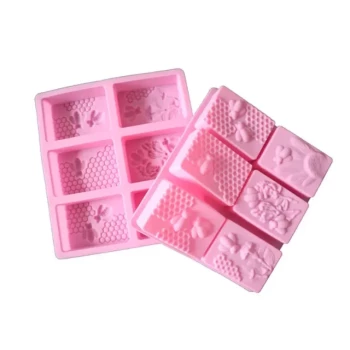
- 6-Cavity Bee Floral Themed Silicone Soap Mold for Handmade Soap Making
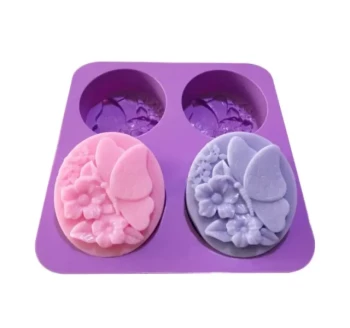
- Butterfly Flower Oval Silicone Soap Mold for DIY Handmade Soap Making
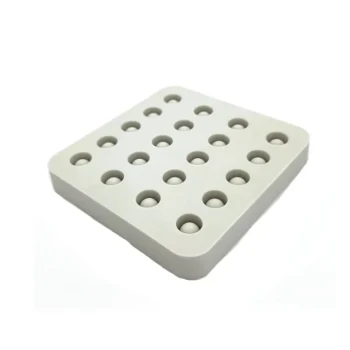
- High-Efficiency 20-Cell Silicone Mold for Beeswax Bee Queen Cup Production
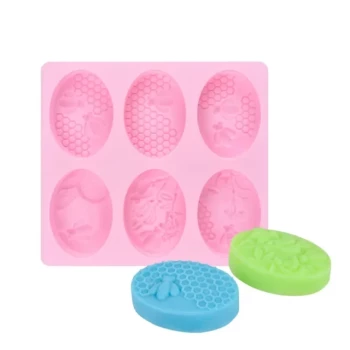
- Premium 6-Cavity Bee and Floral Themed Silicone Soap Mold
- Honeycomb and Bee Silicone Soap Mold for DIY Handmade Soaps
People Also Ask
- What is the first tip for pouring beeswax into a silicone mold? Ensure a Perfect Release
- What is the third tip for working with beeswax in a silicone mold? Master the Critical Demolding Stage
- What is the procedure for pouring melted beeswax into a silicone sheet mold? Expert Tips for Perfect Foundations
- How do you keep beeswax from sticking to a mold? Master the Water Mist Method for a Perfect Release
- What types of molds can be used for beeswax? Choose the Right Mold for a Perfect Finish