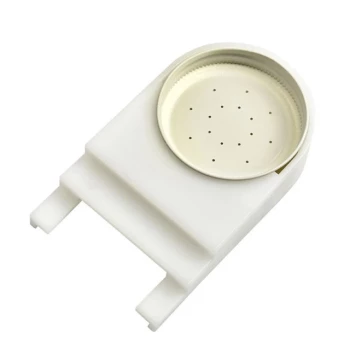
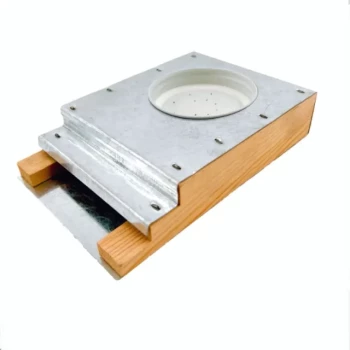
A hive feeder serves as a critical life-support system for a newly established colony split because the population lacks a sufficient workforce of foraging bees to gather resources from the wild. Providing sugar syrup via a feeder offers a reliable, zero-energy food source that sustains the colony during this vulnerable transition. This artificial support allows the bees to survive and grow until their numbers increase enough to support independent foraging and maintain their own nutritional needs.
A new split creates an immediate labor shortage, leaving the colony unable to harvest enough nectar even if flowers are blooming nearby. A hive feeder bridges this gap, providing the calories necessary for survival and infrastructure building.
The Mechanics of Colony Vulnerability
The Forager Deficit
The primary danger a split faces is a severe lack of field manpower. When you separate a colony, you often disrupt the age-based hierarchy of the hive.
The resulting group frequently does not have enough older, experienced bees to venture out and collect nectar. Without a feeder, the colony faces starvation simply because they lack the "truckers" required to bring food into the warehouse.
The High Cost of Infrastructure
Beyond simple survival, the colony has immense work to do inside the hive. As noted in the supplementary data, the colony must build sufficient wax comb to establish a permanent home.
Producing wax is an energy-intensive process that requires vast amounts of sugar. A feeder provides this concentrated energy, allowing the bees to convert syrup into the comb needed for the queen to lay eggs and for food storage.
Strategic Implementation
Bridging the Gap to Independence
The goal of the feeder is not permanent life support, but a temporary bridge. You must maintain this food source until the colony demonstrates it is established enough to forage independently.
This usually means waiting until the population of foraging bees has rebounded and natural nectar sources are abundant enough to support the hive's daily consumption.
Monitoring Critical Milestones
While feeding, you must simultaneously monitor the colony's biological progress. It is essential to inspect the hive three to four days after installation to ensure the queen has been released and is active.
If the queen is not released or the brood patterns are poor, the colony cannot convert the syrup into new bees, and the split will fail regardless of how much you feed them.
Common Pitfalls to Avoid
Premature Cessation of Feeding
A common error is stopping the feed as soon as the bees are seen flying. The presence of flight activity does not guarantee they are bringing in enough calories to sustain the hive and build wax.
You must verify that they have built sufficient comb and stored their own food reserves before removing the feeder.
Overlooking Queen Status
Reliance on a feeder can create a false sense of security. If the queen is still trapped in her cage or has not started laying, the colony is on a path to collapse.
Manual intervention may be required to release the queen; simply filling the feeder is not a substitute for confirming the presence of a laying queen.
Making the Right Choice for Your Goal
To ensure the long-term viability of your new split, align your actions with the colony's specific developmental stage.
- If your primary focus is immediate survival: Ensure the feeder is constantly filled with sugar syrup to compensate for the lack of foraging bees.
- If your primary focus is infrastructure growth: Continue supplemental feeding until you visually confirm the colony has built sufficient wax comb to support a full brood cycle.
- If your primary focus is long-term stability: Combine feeding with regular monitoring of brood patterns and food stores to verify the colony is transitioning to independence.
The hive feeder is the single most effective tool for buying your bees the time they need to reorganize, build, and eventually thrive on their own.
Summary Table:
| Factor | Impact on New Split | Role of Hive Feeder |
|---|---|---|
| Forager Population | Severe deficit; lack of experienced bees to gather nectar. | Provides a zero-energy food source directly inside the hive. |
| Energy Requirements | High demand for wax production and infrastructure. | Supplies calories needed for rapid comb building and egg laying. |
| Colony Growth | Risk of starvation or collapse during transition. | Bridges the gap until the population is large enough to forage. |
| Success Metric | Requires visual confirmation of stored food/comb. | Supports the hive until long-term stability is achieved. |
Scale Your Apiary Success with HONESTBEE
Transitioning splits into thriving colonies requires the right tools. At HONESTBEE, we specialize in supporting commercial apiaries and distributors with a comprehensive wholesale range of beekeeping equipment. From high-capacity hive feeders and specialized beekeeping tools to advanced honey-filling machines and hive-making hardware, we provide everything needed to ensure your operations—and your bees—thrive.
Ready to optimize your colony management and increase productivity?
Contact HONESTBEE Today to discover how our professional-grade equipment and consumables can add value to your business.
Related Products
- Professional Hive Top Bee Feeder for Beekeeping
- HONESTBEE Professional Hive Top Bee Feeder Feeding Solution
- Professional Hive Front Entrance Bee Feeder
- HONESTBEE Professional Entrance Bee Feeder Hive Nutrition Solution
- HONESTBEE Square Top Hive Bee Feeder Top Bee Feeder
People Also Ask
- What is a hive top feeder? A Guide to Efficient, Low-Stress Beekeeping
- Do I need an inner cover with a hive top feeder? Optimize Your Hive Setup for Healthy Bees
- What is a hive top feeder, and how does it work? A Complete Guide to Efficient In-Hive Feeding
- What are the characteristics, advantages, and disadvantages of hive top feeders? Optimize Your High-Volume Feeding
- How does a hive top feeder work? Optimize Your Apiary's Nutrition and Security