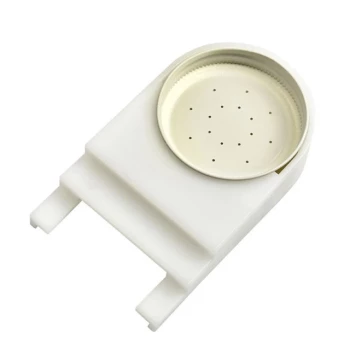
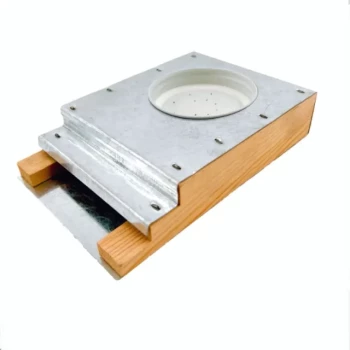
High-precision feeding is essential for maintaining strict dosage control. When administering plant extracts or probiotic mixtures via syrup solutions (such as 1:1 sucrose), quantitative feeders ensure that the concentration and intake of active ingredients match predetermined levels exactly. Without this mechanical precision, you cannot guarantee that the bees are ingesting the specific volume required for the treatment to be effective.
The honeybee gut microbiota is hypersensitive to additive dosages. High-precision feeders are the only way to prevent accidental overfeeding or under-dosing, ensuring that data collected across different experimental replicates remains scientifically valid and comparable.
The Physiological Impact of Dosage
Protecting the Gut Microbiota
The internal ecosystem of a honeybee is delicate. Because the honeybee gut microbiota is highly sensitive, even minor fluctuations in the dosage of additives can disrupt this balance.
Preventing Overfeeding and Toxicity
Standard feeding methods lack volume control, leading to potential overconsumption. High-precision devices prevent the intake of active ingredients from exceeding safe limits, which could otherwise harm the colony rather than help it.
Avoiding Under-dosing
Conversely, imprecise feeding can result in active ingredient levels that are too low to be effective. Quantitative feeders ensure the solution maintains the necessary concentration to trigger the desired physiological response.
Ensuring Scientific Integrity
Eliminating Variable Intake
In any study involving live subjects, consistency is paramount. Quantitative feeders utilize precise volume control to remove human error and behavioral variability from the feeding process.
Guaranteeing Data Comparability
For research to be published or trusted, results must be reproducible. By standardizing the input using high-precision devices, you ensure that data collected from different experimental replicates is truly comparable.
Validating the Control Group
To accurately measure the effect of a plant extract or probiotic, the dosage must be constant across all test subjects. Precision feeding solidifies the validity of your results by isolating the variable being tested.
Understanding the Risks of Imprecision
The "Eyeball" Trap
Attempting to mix or administer these solutions manually or without quantitative tools often leads to significant variance. This creates "noisy" data where it becomes impossible to tell if a result is due to the additive or simply a difference in how much was eaten.
The False Negative
If a feeder delivers inconsistent volumes, you may conclude that a probiotic is ineffective when, in reality, the bees simply did not ingest the required threshold. This leads to wasted resources and missed opportunities for colony health.
Making the Right Choice for Your Goal
To maximize the effectiveness of your nutritional or medicinal treatments, align your equipment with your objectives.
- If your primary focus is scientific research: You must use high-precision quantitative feeders to ensure your data is statistically significant and your replicates are comparable.
- If your primary focus is colony health management: Use precision devices to avoid disrupting the sensitive gut microbiome through accidental overdosing of potent extracts.
Precision in feeding is not just about convenience; it is the foundation of reliable biological data and colony safety.
Summary Table:
| Feature | High-Precision Feeders | Standard Feeding Methods |
|---|---|---|
| Dosage Accuracy | Exact volume control (ml/µl) | Estimated/Manual measurement |
| Gut Health Impact | Protects sensitive microbiota | Risk of disruption via fluctuation |
| Data Integrity | High reproducibility for research | Noisy data due to variable intake |
| Risk Management | Prevents toxicity & under-dosing | High risk of accidental overdose |
| Application | Scientific studies & medicinal use | General supplemental feeding |
Elevate Your Apiary Management with HONESTBEE
Precision is the backbone of successful commercial beekeeping and scientific research. At HONESTBEE, we specialize in supporting commercial apiaries and distributors with high-quality, professional-grade equipment. Whether you need specialized beekeeping tools, honey-filling machines, or hive-making hardware, our comprehensive wholesale portfolio is designed to enhance your efficiency and colony safety.
Ready to upgrade your operations with precision technology?
Contact our expert team today to explore how our specialized machinery and essential industry consumables can bring unmatched value to your business.
References
- Daniele Alberoni, Diana Di Gioia. Honeybees Exposure to Natural Feed Additives: How Is the Gut Microbiota Affected?. DOI: 10.3390/microorganisms9051009
This article is also based on technical information from HonestBee Knowledge Base .
Related Products
- In-Hive Dual Compartment Frame Bee Feeder for Targeted Colony Nutrition
- Rapid Bee Feeder White Plastic 2L Round Top Feeder for 8 or 10-Frame Bee Hives
- Professional Hive Top Bee Feeder for Beekeeping
- 3.5L Plastic Beehive Frame Feeder Deep Frame Water Feeder for In Hive Use
- Professional In-Hive Bee Feeder HONESTBEE Frame for Beekeeping
People Also Ask
- What are the advantages of using a frame feeder for bee colonies? Boost Growth and Prevent Robbing Efficiently
- Why should sugar syrup or dry sugar not be left out in the open when feeding bees? Avoid a Dangerous Feeding Frenzy
- What precautions should be taken when feeding bees inside the hive? Safeguard Your Colony from Robbing and Leaks
- How do in-hive feeders support honey bee colonies during autumn? Ensure Overwintering Success for Your Apiary
- What are the advantages of in-hive feeders vs external methods? Boost Colony Health with Precise Spring Feeding