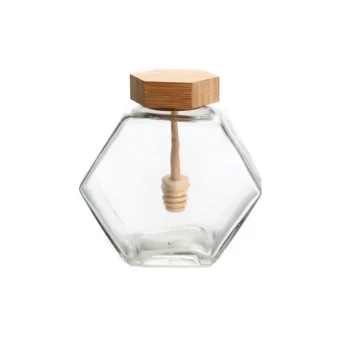
Sealed glass containers are the industrial standard for storing processed pollen because they provide an impermeable barrier against moisture reabsorption and atmospheric oxidation. This specific storage method prevents material clumping, mold growth, and the degradation of sensitive fatty acids and proteins, ensuring the raw material retains its full nutritional profile and biological activity.
Core Takeaway: Maintaining pollen quality requires a total isolation strategy; sealed glass containers provide the necessary airtight and moisture-proof environment to prevent chemical degradation and ensure long-term shelf stability for high-value raw materials.
Atmospheric Isolation and Moisture Control
Prevention of Moisture Reabsorption
Dried pollen is highly hygroscopic, meaning it actively absorbs water from the surrounding environment. Sealed glass containers effectively block this process, preventing the material from clumping or becoming a breeding ground for mold and microbial growth.
Combatting Atmospheric Oxidation
Exposure to air triggers the oxidation of sensitive lipids and fatty acids found within the pollen structure. By utilizing an airtight glass seal, distributors can maintain the chemical stability of the product, preventing the rancidity that compromises both flavor and nutritional value.
Maintaining Physical Integrity
Beyond chemical changes, isolation from the air prevents the formation of air bubbles and the entry of external contaminants. This is particularly critical for wholesalers who must guarantee the purity of raw materials throughout the global supply chain.
Preserving Bioactive Compounds and Potency
Protection of Heat-Sensitive Nutrients
Pollen contains delicate vitamins, proteins, and enzymes that are prone to degradation over time. When combined with low-temperature storage (such as -20°C), sealed glass bottles inhibit the breakdown of these components, keeping the pollen as close to its original state as possible.
UV Shielding and Photo-Oxidation
While glass provides a physical barrier, the use of dark or amber glass is a technical necessity to block ultraviolet (UV) radiation. Light exposure triggers photo-oxidation, which denatures proteins and destroys fragile antioxidant structures like polyphenols and flavonoids.
Retention of Natural Pigments and Flavor
The natural color and characteristic flavor profile of pollen are tied to its bioactive pigments. Utilizing dark, sealed glass prevents photocatalysis, ensuring that the product maintains the vibrant aesthetic and sensory qualities that B2B buyers expect.
Understanding the Trade-offs and Risks
Fragility and Logistics Costs
While glass offers superior protection compared to plastic, it is significantly heavier and more fragile. Distributors must balance the premium protection of glass with increased shipping costs and the requirement for more robust protective packaging during transit.
Clear vs. Opaque Glass Limitations
Standard clear glass does not protect against light-induced degradation. For high-potency raw materials, using clear glass without secondary opaque packaging (like foil bags) is a common pitfall that can lead to rapid quality loss in well-lit warehouse environments.
Thermal Expansion and Sealing
In extreme temperature-controlled environments, the seal integrity must be monitored. If a seal is compromised due to thermal expansion, the "sealed" container may actually breathe, drawing in humid air and negating the benefits of glass storage.
Strategic Recommendations for Bulk Inventory
Professional storage is the cornerstone of a reliable supply chain. Our expertise in premium trading services ensures that your raw materials are handled with the technical precision required for maximum shelf life.
- If your primary focus is Maximum Bioactivity: Utilize dark, amber glass containers paired with deep-freeze storage at -20°C to halt all enzymatic degradation.
- If your primary focus is Efficient Fulfillment: Source pollen in pre-sealed, industrial-grade glass bottles that are ready for immediate high-speed dispatch to minimize handling time.
- If your primary focus is Long-Term Stability: Prioritize airtight glass over plastic liners to ensure a 100% gas-tight barrier against oxygen-sensitive compound loss.
- If your primary focus is Visual Marketability: Use light-shielded glass to preserve the natural pigments and prevent the browning associated with protein denaturation.
By prioritizing these advanced storage protocols, you secure the high-performance results and professional-grade consistency essential for success in the premium pollen market.
Summary Table:
| Storage Factor | Benefit of Sealed Glass | Impact on Pollen Quality |
|---|---|---|
| Moisture Control | Impermeable barrier | Prevents clumping and microbial/mold growth. |
| Atmospheric Oxygen | Airtight isolation | Stops lipid oxidation and maintains chemical stability. |
| Light Exposure | UV shielding (Amber glass) | Prevents photo-oxidation and protein denaturation. |
| Bioactivity | Thermal/Chemical stability | Preserves sensitive enzymes, vitamins, and pigments. |
| Contamination | Physical barrier | Blocks external pollutants and preserves raw purity. |
Scale Your Beekeeping Business with HONESTBEE
Elevate your inventory with HONESTBEE, your premier partner for commercial beekeeping excellence. We specialize in supporting distributors, wholesalers, and B2B resellers with a comprehensive, full-spectrum product portfolio—ranging from precision honey-filling machines to professional-grade consumables and tools.
Why Partner with Us?
- Deep Industry Expertise: Benefit from our technical knowledge in material preservation and equipment efficiency.
- Rapid Fulfillment: Ultra-fast delivery and efficient order processing to keep your supply chain moving.
- Premium Trading Services: Dedicated customer support with OEM/ODM capabilities to maximize your profit margins.
Ready to secure high-performance equipment and reliable supply? Contact our expert team today to discuss wholesale opportunities and see how HONESTBEE can drive your business growth.
References
- И А Прохода, G.N. Bobkova. Prospective directions of using flower pollen as a source of food protein. DOI: 10.1051/bioconf/202516002038
This article is also based on technical information from HonestBee Knowledge Base .
Related Products
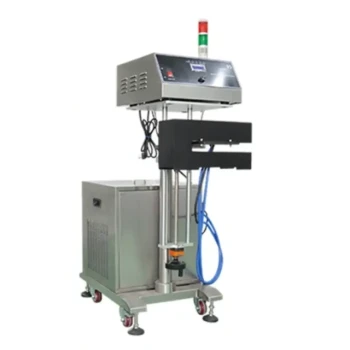
- Professional Water Cooled Induction Sealing Machine for Bottles and Containers
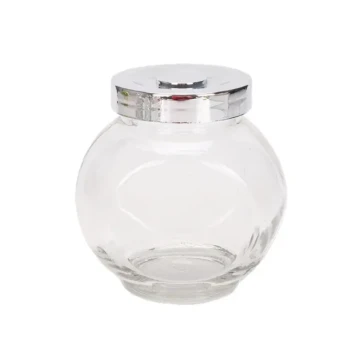
- Classic Drum Shaped Glass Honey Jar with Airtight Lid
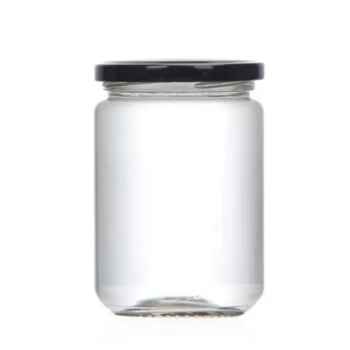
- Classic Round Glass Honey Jar with Lid
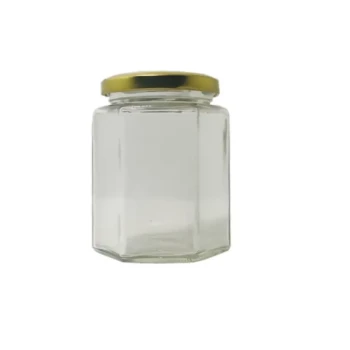
- Hexagonal Glass Honey Jars with Metal Lug Caps Elegant Versatile Packaging
- Hexagonal Glass Honey Jar with Wooden Lid Integrated Dipper Elegant Functional Storage
People Also Ask
- How does tamper-evident sealing equipment benefit the honey trade? Ensure Product Integrity and Market Trust
- What is the function of an induction sealing machine in packaging? Secure Your Brand with Tamper-Evident Seals
- How does an induction sealing machine work? Enhance Honey Packaging with Hermetic Seals & Tamper Evidence
- What is an induction sealing machine and how does it work? Achieve Airtight, Tamper-Evident Seals
- How does the induction sealing process work? Create Tamper-Evident, Airtight Seals for Your Products