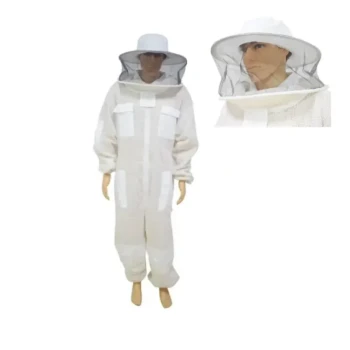
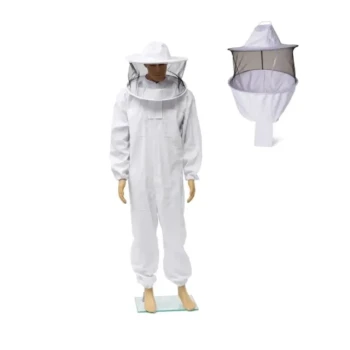
Wearing a bee suit is necessary primarily because it acts as a critical shield against stings, allowing you to work safely even when hives are disturbed. While honeybees are generally not aggressive, specific conditions—such as opening a hive for inspection—can trigger defensive behaviors that make protective clothing essential for preventing injury.
A bee suit provides more than just physical safety; it offers the psychological security needed to work calmly. By minimizing the fear of stings, it allows a beekeeper to focus entirely on hive maintenance rather than their own safety.
The Role of Physical Protection
Shielding Against Defensive Instincts
According to the primary reference, a bee suit is your primary shield against stings. Honeybees are typically calm, but they will defend their colony if they perceive a threat.
Routine hive inspections, which involve vibration and light exposure, naturally provoke this defensive response. The suit creates a barrier that neutralizes this risk during these necessary interventions.
Comprehensive Coverage
To be fully effective, a beekeeper’s gear must cover vulnerable areas. This includes a hat and veil to protect the eyes and face, along with specialized jackets, pants, and gloves.
The face and eyes are the most critical areas to protect. Even if a beekeeper chooses not to wear a full suit, a veil is universally considered the absolute minimum requirement for safety.
Apiary Hygiene
Beyond personal safety, clean protective clothing serves a biological purpose for the hive. It helps maintain a hygienic environment.
Wearing a dedicated suit prevents the introduction of external dirt, contaminants, or pathogens that could harm the bees or compromise the quality of the honey.
The Psychological Advantage
Removing Distraction
Fear is a distraction. Without protective gear, the anxiety of potentially being stung can lead to rushed movements or clumsiness.
Protective clothing reduces this anxiety significantly. This allows the beekeeper to concentrate fully on delicate tasks, such as locating the queen or inspecting brood patterns.
Building Confidence for Beginners
For those new to the field, a bee suit is a confidence builder. It creates a safe space to learn the behaviors of the colony without the immediate threat of pain.
This sense of security makes the beekeeping experience less stressful and more enjoyable, fostering a better long-term relationship with the practice.
Understanding the Trade-offs
Protection vs. Mobility
While a full suit offers maximum safety, it can be cumbersome. Selecting gear involves balancing the intensity of the task with your need for movement.
Full-body suits are recommended for long-duration inspections where the hive is open for extended periods. Lighter gear, such as a jacket and veil, may suffice for quick, non-invasive assessments.
The Myth of Invincibility
It is critical to understand that a bee suit is not a guarantee against stings. It significantly reduces the likelihood, but it does not make you invincible.
Beekeepers must still practice caution and proper handling techniques. Relying solely on the suit without respecting the bees' temperament can still result in stings.
Nuance in Necessity
A full suit is not strictly "mandatory" for every single interaction. Experienced beekeepers who understand their bees' temperament may sometimes work with minimal gear.
However, protective gear should always be available. Factors like weather, the presence of visitors, or an unusually agitated hive can make full protection necessary at a moment's notice.
Making the Right Choice for Your Goal
The level of protection you choose should dictate how you approach the hive.
- If your primary focus is thorough hive inspection: Wear a full-body suit and gloves to ensure comprehensive protection during this invasive and lengthy process.
- If your primary focus is quick observation: A beekeeping jacket with a veil may provide sufficient protection while offering greater freedom of movement.
- If your primary focus is learning (Beginner): Always err on the side of maximum protection to build confidence and reduce anxiety until you better understand bee behavior.
Ultimately, the best protective gear is the one that allows you to work with steady hands and a calm mind.
Summary Table:
| Feature | Protection Level | Best For | Key Benefit |
|---|---|---|---|
| Full-Body Bee Suit | Maximum | Beginners & Long Inspections | Complete shield against stings & builds confidence |
| Beekeeping Jacket | Medium | Quick Observations | Balance of safety and mobility for experienced users |
| Beekeeping Veil | Critical | Every Hive Interaction | Essential protection for the face and eyes |
| Gloves & Boots | High | High-Vibration Tasks | Prevents stings on extremities during invasive work |
Elevate Your Apiary Safety with HONESTBEE
At HONESTBEE, we understand that a calm beekeeper is an effective one. We provide a comprehensive range of premium beekeeping tools, machinery, and protective gear designed specifically for commercial apiaries and global distributors.
Whether you need specialized hive-making machines, honey-filling equipment, or bulk supplies of professional-grade bee suits, our wholesale solutions are tailored to scale your operations and ensure your team works with total confidence.
Ready to upgrade your equipment? Contact us today to explore our full spectrum of beekeeping hardware and industry consumables!
Related Products
- Premium Three Layer Ventilated Bee Suit with Round Veil
- Professional Cotton Beekeeper Suit with Round Veil Design for Commercial Apiaries
- Premium Cotton Beekeeper Suit with Reinforced Fencing Veil
- Professional Beekeeper Suit with Square Folding Cotton Veil
- Professional Beekeeping Suit for Kids and Girls Childrens Bee Keeper Suit
People Also Ask
- What are the features of a ventilated bee suit? Stay Cool and Protected in Hot Weather
- What is the function of professional protective consumables? Scale Your Apiary with Ventilated Bee Suits
- What should be considered when purchasing a ventilated bee suit? Ensure Maximum Safety and Comfort
- What is the advantage of ventilated bee suits over traditional ones? Stay Cool and Protected with Mesh Technology
- What materials are used in ventilated bee suits? Choose Between 3-Layer Mesh & Foam for Optimal Protection