Slower feeding acts as a deliberate stimulus, mimicking a natural nectar flow to encourage the colony to maintain brood production rather than immediately backfilling the hive with syrup. This strategy is particularly effective for less prolific bee strains, ensuring they generate a sufficient population of young "winter bees" before the cold weather sets in.
By feeding slowly, you prioritize population growth over immediate food storage. This ensures the colony enters winter with enough young, healthy bees to sustain the cluster, rather than a small population surrounded by excess food.
The Biological Impact of Feed Rate
Stimulating Brood Rearing
Rapid feeding often signals the bees to fill every available cell with syrup, which can physically block the queen from laying eggs.
In contrast, slower feeding encourages the colony to keep the brood nest open. This signals the queen to continue laying, extending the reproductive season.
Creating "Winter Bees"
The primary goal of this method is the production of winter bees.
These are not standard worker bees; they are physiologically distinct and capable of living much longer to survive the winter. Slower feeding ensures the colony raises a fresh generation of these specific bees right up until the cold prevents it.
When to Utilize Slow Feeding
Supporting Less Prolific Strains
Not all bee genetics behave the same way. This method is specifically beneficial for less prolific strains of bees.
These strains naturally tend to maintain smaller colonies. Without the stimulation of slow feeding, they might shut down brood rearing too early, entering winter with a population too small to maintain the necessary cluster heat.
Bolstering Smaller Colonies
Colonies that are entering autumn with lower numbers are at high risk.
By extending the brood-rearing window, you allow these smaller colonies to bulk up their population. A larger cluster has a significantly higher chance of surviving until spring.
Understanding the Trade-offs
The Critical Role of Pollen
There is a major limitation to this strategy: sugar syrup alone cannot create bees.
The reference explicitly states this method is only effective if there is a good supply of pollen available. Pollen provides the protein required for larval development; without it, stimulating the queen to lay eggs is futile and potentially stressful for the colony.
Balancing Time and Temperature
While extending the season is beneficial, you must ensure feeding finishes before temperatures drop too low for bees to process the syrup.
Making the Right Choice for Your Colony
To determine if slow feeding is the correct approach for your apiary, assess your specific bee genetics and local resources.
- If your primary focus is increasing colony size: Choose slow feeding to stimulate the queen and maximize the production of young winter bees.
- If your primary focus is managing less prolific strains: Use slow feeding to prevent the colony from shutting down brood rearing too early.
- If your primary focus is resource availability: Ensure you have ample pollen reserves; if pollen is scarce, slow feeding for brood production will not be effective.
The success of winter preparation lies in balancing sufficient food stores with a young, vibrant population capable of surviving until the first bloom of spring.
Summary Table:
| Aspect | Slow Feeding Effect | Rapid Feeding Effect |
|---|---|---|
| Primary Goal | Stimulate brood rearing & winter bees | Rapidly filling storage cells |
| Queen Activity | Encourages continued laying | May be restricted (egg-bound) |
| Colony Size | Increases population for warmth | Focuses on resource volume |
| Best For | Less prolific strains & small colonies | Strong colonies with low stores |
| Dependency | Requires high pollen availability | Less dependent on fresh pollen |
Maximize Your Colony’s Winter Survival with HONESTBEE
Preparing your apiary for the cold requires more than just feed—it requires the right strategy and professional-grade equipment. At HONESTBEE, we specialize in supporting commercial apiaries and distributors with a comprehensive range of beekeeping tools and machinery. Whether you need specialized feeders to control syrup intake, advanced hive-making machines, or honey-filling solutions, our wholesale portfolio is designed to enhance your operational efficiency.
Don't leave your winter success to chance. Partner with HONESTBEE to access high-quality industry consumables and expert hardware tailored for large-scale beekeeping.
Contact us today to discuss your wholesale needs and bulk equipment pricing.
Related Products
- Rapid Bee Feeder White Plastic 2L Round Top Feeder for 8 or 10-Frame Bee Hives
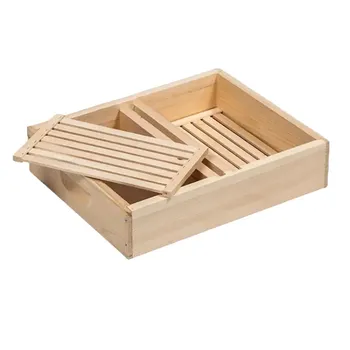
- Premium Wood Hive Top Feeder with Floating Rafts for Langstroth Hives
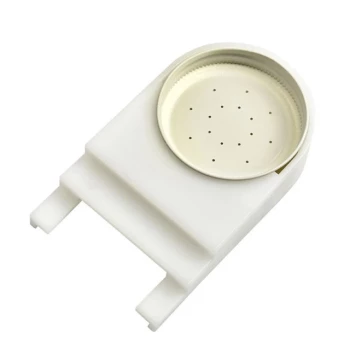
- HONESTBEE Entrance Bee Feeder Efficient Hive Front Liquid Feeding Solution for Beekeeping
- Professional In-Hive Bee Feeder HONESTBEE Frame for Beekeeping
- Professional Hive Top Bee Feeder for Beekeeping
People Also Ask
- What should be done with feeders and equipment after feeding bees? Essential Steps for Apiary Health
- What should be done if feed in a feeder is not consumed by the bees? Prevent Hive Mold with Prompt Feed Management
- What is the necessity of specialized internal or entrance feeders? Secure Your Hive with Professional Feeding Tools
- How do bee feeders work to preserve colony health during nectar shortages? Essential Guide for Beekeepers
- How quickly does a medium to strong colony usually empty a feeder? A Beekeeper's Guide to Hive Health