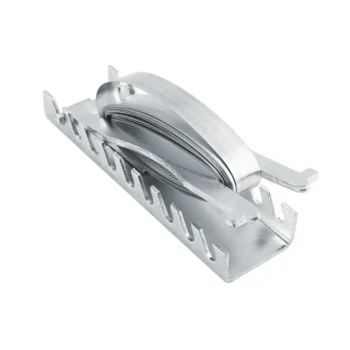
The effectiveness of a bear-deterrent fence relies entirely on its ability to complete an electrical circuit through the animal. A 1.8-meter galvanized steel ground rod is required to reach deep, moist soil to establish a low-resistance return path, while specialized clamps guarantee the connection remains stable. Without these specific components, the system cannot deliver the shock necessary to deter a bear.
An electric fence acts as an open circuit that relies on the earth to close the loop. Deep, corrosion-resistant rods and secure clamps ensure that when a bear touches the wire, the electricity travels efficiently through the animal and back to the energizer.
The Physics of Deterrence
Completing the Electrical Loop
The energizer sends a high-voltage pulse down the fence wire, but this pulse is harmless until the circuit is closed. For the bear to feel a shock, the current must travel from the wire, through the bear's body, into the ground, and back to the energizer's ground terminal.
The Ground Rod as the Gateway
The ground rod serves as the critical collection point for this return current. If the connection between the soil and the rod is weak, the electricity cannot return to the source. This results in a weak shock or no shock at all, rendering the fence useless as a psychological barrier.
Optimizing Ground Conductivity
Reaching Moist Soil
Electrical conductivity is heavily dependent on moisture. Surface soil often dries out, acting as an insulator rather than a conductor. A 1.8-meter rod is specified to penetrate past dry top layers and reach the permanently moist soil deep underground.
Reducing Electrical Resistance
By accessing this deep moisture, the system establishes a low-resistance path. Low resistance is essential for maintaining the voltage necessary to penetrate a bear’s thick fur and hide. A shallow rod in dry soil creates high resistance, significantly dropping the power of the shock.
Ensuring System Longevity and Reliability
Preventing Corrosion
Steel buried in damp soil is naturally prone to rust. Rust and corrosion act as insulators, slowly blocking the flow of electricity over time. Galvanization provides a protective coating that prevents corrosion, ensuring the rod maintains high conductivity throughout the fence's lifespan.
The Role of Specialized Clamps
The connection point between the ground wire and the rod is a common point of failure. Specialized clamps are engineered to create a secure and stable electrical bond. They prevent the wire from loosening due to vibration or thermal expansion, ensuring the circuit remains intact.
Common Pitfalls to Avoid
The Risk of Improper Fasteners
Using improvised connections, such as wrapping wire around the rod or using standard hose clamps, often leads to poor contact. These connections degrade quickly, causing the system to fail silently. Specialized clamps provide the mechanical pressure needed for a consistent electrical bridge.
Seasonal Conductivity Changes
Relying on shorter rods exposes the system to seasonal failure. During hot, dry periods, the moisture line in the soil drops. If your rod is not 1.8 meters deep, it may lose contact with conductive soil exactly when bear activity is high.
Making the Right Choice for Your Goal
To maintain a reliable barrier against bears, prioritize the quality of your grounding infrastructure.
- If your primary focus is immediate stopping power: Install the full 1.8-meter rod length to guarantee contact with conductive, moist soil layers regardless of surface conditions.
- If your primary focus is long-term reliability: Utilize galvanized materials and specialized clamps to prevent corrosion and loose connections from silently degrading your system's voltage.
By anchoring your system with the correct grounding components, you ensure your fence remains a formidable physical and psychological deterrent.
Summary Table:
| Component | Feature | Purpose in Bear Deterrence |
|---|---|---|
| 1.8m Ground Rod | Deep Soil Penetration | Reaches moist soil to ensure a low-resistance return path for the shock. |
| Galvanized Steel | Corrosion Resistance | Prevents rust-induced insulation, maintaining long-term electrical conductivity. |
| Specialized Clamps | Secure Mechanical Bond | Guarantees a stable connection between the wire and rod, preventing circuit failure. |
| Moisture Access | Consistent Conductivity | Maintains system effectiveness during dry seasons when bear activity is peak. |
Secure Your Apiary with HONESTBEE Professional Equipment
Protecting your commercial apiary or distribution inventory requires more than just a wire; it requires a reliable, industrial-grade deterrent system. At HONESTBEE, we specialize in supporting commercial beekeepers and distributors with a comprehensive range of high-performance beekeeping tools and machinery.
From heavy-duty fencing components to automated honey-filling machines and specialized hive-making equipment, we provide the hardware and consumables necessary to scale your operations safely and efficiently.
Ready to fortify your beekeeping business? Contact our expert team today to discuss wholesale solutions and customized equipment packages tailored to your professional needs.
References
- Kimberly K. Post, Cameron Jack. Building Bear Fences for Your Apiary. DOI: 10.32473/edis-in1318-2021
This article is also based on technical information from HonestBee Knowledge Base .
Related Products
People Also Ask
- What are the types of Emlocks available? Choose the Right Strap for Hive Security
- How does the performance of ratchet straps compare to cam buckle straps for securing beehives? Expert Comparison Guide
- What role do standardized beehive fastening and protective consumables play? Secure Colonies Against Natural Disasters
- What are the two styles of hive straps? Choose the Right Strap for Your Hive Security
- How should hive straps be stored? Prevent Tangles & Extend Strap Life