Preserving the biological integrity of red propolis begins the moment it is collected. Industrial-grade amber glass jars are required because red propolis contains complex resins, volatile oils, and bioactive compounds—specifically flavonoids and phenols—that are highly sensitive to ultraviolet (UV) radiation. The amber glass acts as a critical light filter, preventing photodegradation and chemical alterations that would otherwise compromise the product's medicinal potency.
To maintain the "full-spectrum" value of red propolis, amber glass provides an essential barrier against UV-induced oxidation. This storage method ensures that the raw material retains its chemical stability and antibacterial efficacy from the point of collection through long-distance distribution.
The Science of Light Shielding and Bioactivity
Protecting Labile Bioactive Compounds
Red propolis is prized for its high concentrations of flavonoids, polyphenols, and aromatic acids. These molecules are "labile," meaning they are chemically unstable when exposed to light, which can trigger photo-oxidation and degrade their therapeutic properties.
Industrial-grade amber glass specifically filters out ultraviolet and short-wave visible light. By blocking these high-energy rays, the jars ensure that the propolis maintains its original biological activity and antioxidant potential during the critical window between collection and processing.
Maintaining Chemical Inertness
Unlike many synthetic containers, glass is chemically inert, meaning it will not react with the complex resins and essential oils found in propolis. This prevents the leaching of plasticizers or other contaminants into the sample, which is vital for B2B resellers who must guarantee high purity standards.
When combined with a secure, airtight sealing mechanism, these jars also prevent atmospheric oxidation. This dual-layer protection is necessary to preserve the delicate pollen grains and volatile organic compounds that define the propolis's geographical profile.
Impact on Supply Chain and Product Efficacy
Ensuring Stability During Maceration and Transit
The maceration process for red propolis extracts can last up to 15 days, during which the material is highly vulnerable to environmental factors. Using dark amber containers ensures that the extract maintains its stable antibacterial potency throughout this extended phase and subsequent transport.
For wholesalers, utilizing industrial-grade glass is a hallmark of deep industry expertise. It minimizes the risk of batch failure during rapid delivery cycles, ensuring that the product arriving at the destination reflects the same quality as the day it was harvested.
Preserving Antibacterial and Therapeutic Potency
Photodegradation does more than change the color of the propolis; it can destroy the antibacterial efficacy that drives market demand. Storing samples in light-shielded containers ensures that laboratory analyses accurately reflect the original biological potency of the source.
This level of protection is essential for distributors offering a premium trading service. It allows for the fulfillment of orders that meet strict pharmaceutical or nutraceutical specifications regarding bioactive marker concentrations.
Understanding the Trade-offs
Weight vs. Protection
While amber glass provides the most robust protection against light and chemical reactions, it is significantly heavier than plastic alternatives. This increase in weight can lead to higher logistics and shipping costs, particularly for ultra-fast delivery services.
Fragility and Fulfillment
Glass is inherently fragile, requiring specialized packaging and handling during the fulfillment process. Wholesalers must balance the superior protective qualities of glass against the need for rigorous protective padding to prevent breakage during transit.
Cost Considerations
Industrial-grade amber glass represents a higher upfront investment compared to standard clear glass or polyethylene containers. However, this cost is often offset by the preservation of the product's premium market value and the reduction in "spoiled" or degraded inventory.
How to Apply This to Your Sourcing Strategy
As a professional distributor or reseller, the storage standards used by your suppliers are a direct indicator of product reliability. Ensuring that red propolis is handled in industrial-grade amber glass is a non-negotiable step in maintaining a high-quality product portfolio.
- If your primary focus is Maximum Bioactive Potency: Prioritize suppliers who use amber glass coupled with low-temperature storage (-20 °C) to inhibit enzymatic reactions and preserve volatile compounds.
- If your primary focus is Global Supply Chain Reliability: Verify that your partners use airtight, industrial-grade containers to prevent oxidation during long-distance shipping and varying environmental exposures.
- If your primary focus is Product Standardization: Insist on light-shielded storage to ensure that chemical property analyses remain consistent and accurate across different geographical batches.
Utilizing professional-grade amber storage is the industry standard for guaranteeing the long-term efficacy, safety, and market value of premium red propolis.
Summary Table:
| Storage Factor | Benefit for Red Propolis | Impact on Product Quality |
|---|---|---|
| UV Filtration | Blocks high-energy radiation | Prevents degradation of flavonoids and phenols |
| Chemical Inertness | No reaction with resins/oils | Guarantees high purity and zero leaching |
| Airtight Sealing | Prevents atmospheric oxidation | Maintains volatile organic compounds and efficacy |
| Industrial Glass | Superior physical protection | Ensures stability during transit and maceration |
Scale Your Apiary Business with HONESTBEE
As a premier one-stop sourcing partner for distributors and B2B resellers, HONESTBEE delivers a comprehensive full-spectrum product portfolio tailored to the commercial beekeeping industry. We provide everything from specialized honey-filling machines and hive-making hardware to a wide array of essential industry consumables and cultural merchandise.
Why Partner with HONESTBEE?
- Deep Industry Expertise: We understand the technical requirements of preserving hive products like red propolis.
- Premium Trading Services: High-quality wholesale offerings with OEM/ODM support and reliable certifications.
- Efficient Fulfillment: Ultra-fast delivery and rapid response times to optimize your supply chain and profit margins.
Ready to elevate your inventory with professional-grade equipment? Contact HONESTBEE today for wholesale pricing and experience our exceptional customer service!
References
- Oscar Julian Vanegas-Florez, Francisco de Assis Ribeiro dos Santos. Red propolis produced on the island of San Andrés, Colombia: Palynological profile. DOI: 10.1590/1677-941x-abb-2024-0193
This article is also based on technical information from HonestBee Knowledge Base .
Related Products
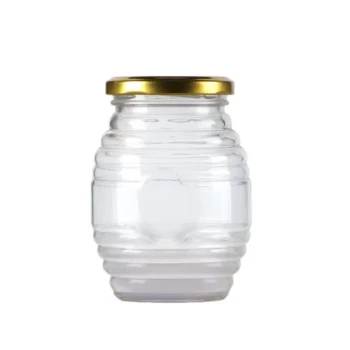
- Classic Glass Honey Jar with Metal Lug Cap for Beehive Storage
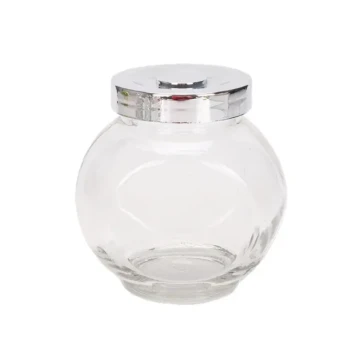
- Classic Drum Shaped Glass Honey Jar with Airtight Lid
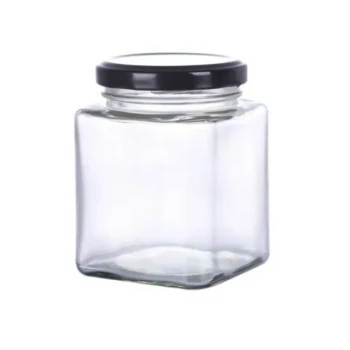
- Modern Square Glass Honey Jar with Twist Off Lid
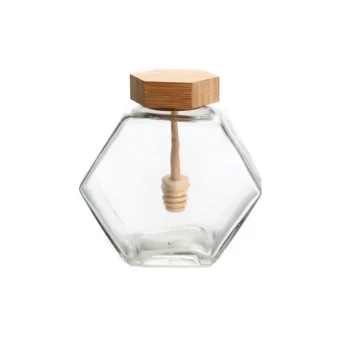
- Hexagonal Glass Honey Jar with Wooden Lid Integrated Dipper Elegant Functional Storage
- Hexagonal Glass Honey Jars with Metal Lug Caps Elegant Versatile Packaging
People Also Ask
- What are the benefits of glass jars regarding strength and safety for storing honey? Ensure Purity and Long-Term Quality
- What are the advantages of using glass jars for honey storage? Ensure Purity and Premium Appeal for Your Product
- What are the benefits of using high-transparency Glass Jars for honey? Elevate Purity and Premium Branding
- What is the aesthetic appeal of using glass jars for honey? Elevate Your Brand with Premium Packaging
- Which container is best for storing honey? Preserve Purity & Flavor with the Right Choice