Technicians must be equipped with full-face respirators featuring OV/P100 cartridges because oxalic acid vaporization generates a corrosive dual-threat of acidic fumes and microscopic particles. This specific equipment is the only barrier capable of simultaneously filtering these hazards to prevent severe chemical burns to the respiratory system while effectively sealing the eyes against corrosive gas damage.
Vaporization transforms stable oxalic acid crystals into a pervasive, acidic mist that attacks all mucous membranes. A full-face respirator with combined OV/P100 filtration is the definitive standard for preventing acute respiratory injury and ocular damage during this process.
The Nature of the Hazard
To understand why this specific gear is required, you must first understand the physical change occurring during the treatment.
The Sublimation Process
When oxalic acid is heated, it undergoes sublimation. It transitions directly from a solid crystal into a dense gas without becoming a liquid first. This creates a rapidly expanding cloud of highly concentrated acidic vapor.
The Micro-Particle Threat
As the gas cools slightly upon hitting the air, it forms microscopic particles. These fine particulates are small enough to bypass natural respiratory defenses. Without high-efficiency filtration, these acidic particles can be inhaled deep into the lungs.
Why the OV/P100 Combination is Critical
A standard dust mask or a simple chemical cartridge alone is insufficient. The "OV/P100" designation represents a two-stage defense system required for this specific chemical profile.
The "OV" (Organic Vapor) Component
The Organic Vapor element of the cartridge is designed to neutralize chemical fumes. It uses activated carbon to adsorb the acidic gases before they reach the technician's airway. This prevents chemical burns to the throat and lungs.
The "P100" (Particulate) Component
The P100 rating indicates a High-Efficiency Particulate Air (HEPA) filter. It blocks at least 99.97% of airborne particles, including oils and solid masses. This component physically traps the microscopic oxalic acid crystals that have re-condensed in the air.
The Necessity of Full-Face Protection
While respiratory protection is obvious, the requirement for a full-face model addresses the vulnerability of the eyes.
Total Ocular Isolation
The eyes are mucous membranes, similar in composition to the lining of the lungs. The corrosive fumes generated during vaporization can cause immediate, severe burning and potential long-term damage to the cornea. A full-face respirator provides an airtight seal that isolates the eyes completely from the surrounding atmosphere.
Preventing "Blowback" Risks
Equipment malfunctions, such as a clogged vaporizer stem or obstructed hive entrance, can cause the pressurized acid vapor to blow back toward the operator. A full-face mask ensures that a sudden cloud of acid does not contact the skin of the face or the eyes.
Common Pitfalls to Avoid
While the equipment specifications are clear, improper use can negate their protective benefits.
The "Half-Mask" Mistake
Technicians often attempt to substitute a full-face respirator with a half-mask and separate safety goggles. This is inadvisable because it is difficult to achieve a seamless seal between the goggles and the mask. Gaps between the two pieces of equipment allow acidic gas to reach the eyes and upper face.
Ignoring Filter Lifespan
OV/P100 cartridges have a finite lifespan. Once the activated carbon is saturated, it allows gas to pass through. Technicians must replace cartridges regularly, rather than relying on them until they can smell the chemical.
Ensuring Occupational Safety
When planning your equipment protocols, safety must be the primary driver.
- If your primary focus is personnel safety: Mandate full-face respirators with OV/P100 cartridges to provide a single, sealed barrier against both inhalation and ocular exposure.
- If your primary focus is operational efficiency: Use this high-level PPE to prevent downtime caused by acute chemical injuries or respiratory distress.
Compliance with this standard is not merely a recommendation; it is the baseline requirement for preventing irreversible physical harm.
Summary Table:
| Protection Component | Hazard Addressed | Benefit to Technician |
|---|---|---|
| Full-Face Seal | Corrosive Gas & Blowback | Complete ocular isolation and facial skin protection. |
| OV (Organic Vapor) | Acidic Chemical Fumes | Neutralizes vapors to prevent chemical burns in airways. |
| P100 (HEPA Filter) | Microscopic Particulates | Filters 99.97% of airborne crystals and acidic dust. |
| Integrated Design | Equipment Gaps | Eliminates the seal failures common with half-mask/goggle combos. |
Secure Your Apiary Operations with HONESTBEE
Protecting your team is the foundation of a successful beekeeping business. HONESTBEE provides commercial apiaries and distributors with professional-grade safety gear and high-performance beekeeping machinery.
From advanced honey-filling machines to essential beekeeping tools and consumables, we offer a comprehensive wholesale portfolio designed to enhance your efficiency and safety. Don't compromise on quality—partner with a supplier that understands the technical demands of the industry.
Contact HONESTBEE Today for Custom Wholesale Solutions
References
- Jennifer A. Berry, Geoffrey R. Williams. Assessing Repeated Oxalic Acid Vaporization in Honey Bee (Hymenoptera: Apidae) Colonies for Control of the Ectoparasitic Mite <i>Varroa destructor</i>. DOI: 10.1093/jisesa/ieab089
This article is also based on technical information from HonestBee Knowledge Base .
Related Products
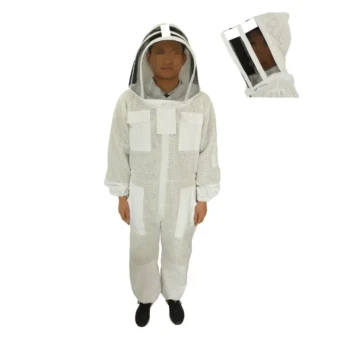
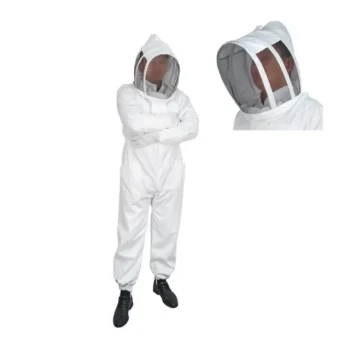
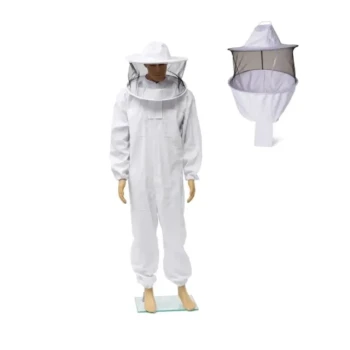
- Professional Beekeeper Suit with Square Folding Cotton Veil
- Three-Layer Ventilated Beekeeper Suit with Structured Fencing Veil
- Premium Cotton Beekeeper Suit with Reinforced Fencing Veil
- All-Weather Plastic Bellows for Bee Smokers
- Professional Square Folding Wire Mesh Beekeeping Veil
People Also Ask
- What material and design specifications are recommended for a high-quality beekeeper suit? Top Gear Selection Guide
- Why is mobility crucial when wearing a beekeeping suit? Essential Fit Guide for Optimal Safety and Performance
- How should a beekeeping suit be dried after it has been cleaned? Essential Tips to Preserve Your Protective Gear
- Why do beekeepers often wear white clothing? The Science Behind Bee Calm and Keeper Safety
- What features are important in a high-quality beekeeping suit? Maximize Protection & Comfort