The First Five Minutes
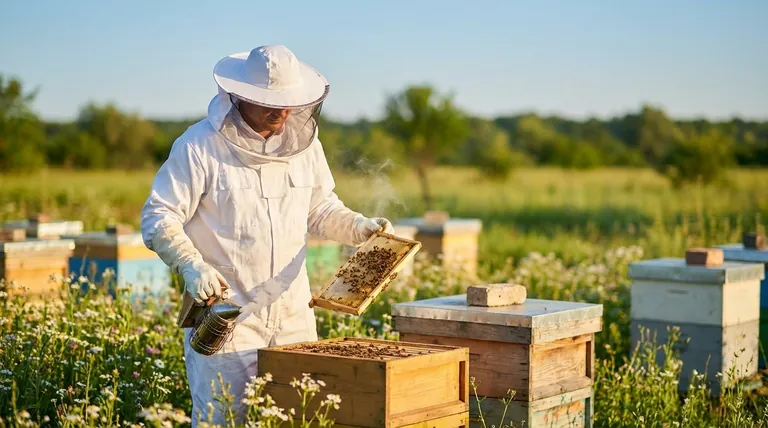
Imagine your first hive inspection. The sun is warm, the air smells of honey and wax, and a low, resonant hum rises from the box in front of you. In that box are 50,000 tiny animals, each equipped with a barbed stinger and the instinct to defend its home.
The only thing between you and them is a thin layer of fabric.
For a new beekeeper, the choice of that fabric—specifically, between a full bee suit and a simple jacket—is the most consequential decision you will make in your first season. It’s not a choice about comfort. It’s a choice about managing fear.
Your Brain on Bees
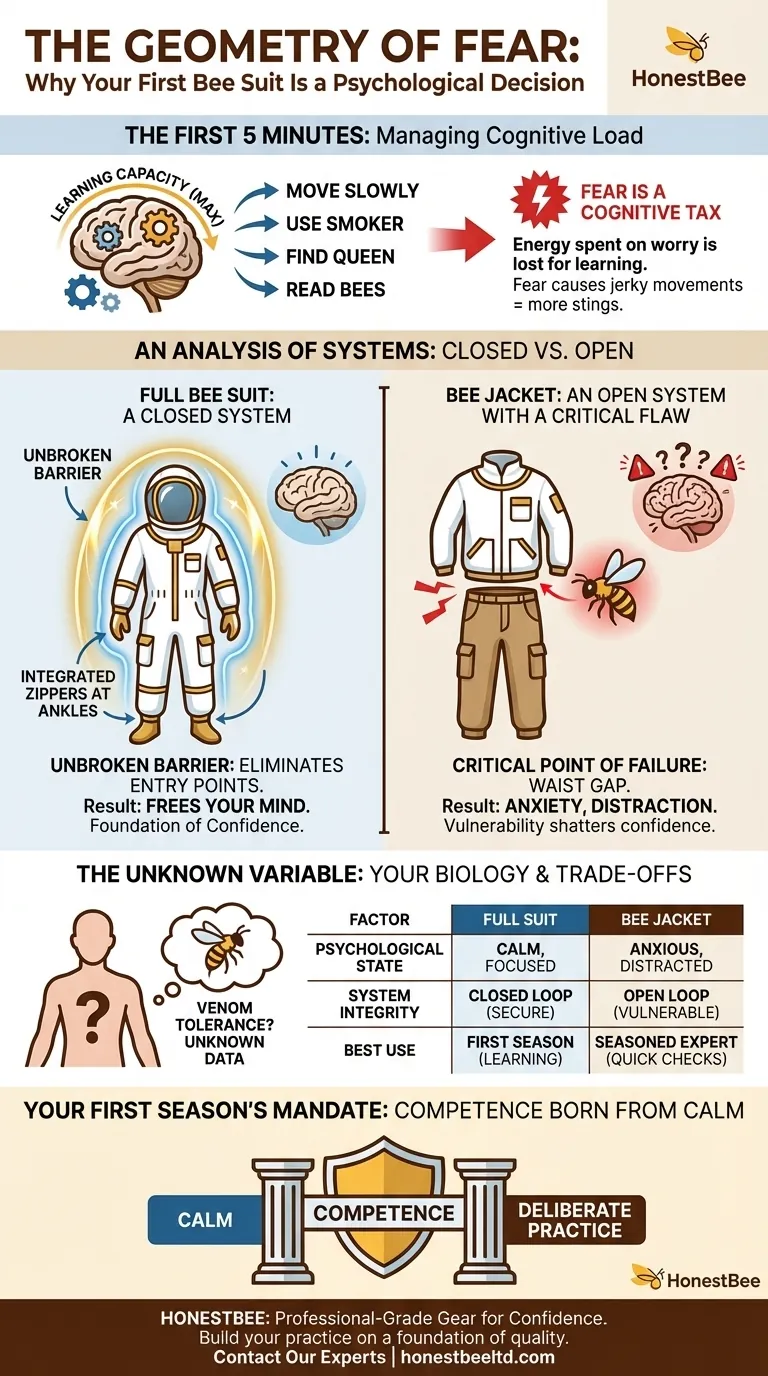
Beekeeping is an exercise in managing cognitive load. As a beginner, your mind is already working at maximum capacity. You are trying to remember to move slowly, to use the smoker correctly, to identify the queen, to look for eggs, and to read the subtle "language" of the colony.
Fear is a cognitive tax.
Every ounce of mental energy spent worrying about a potential sting is energy that cannot be spent on learning. A nagging anxiety about a gap in your protection, a stray bee crawling on your neck—these are catastrophic distractions. They cause you to move quickly and jerkily, which in turn alarms the bees and makes stings more likely.
Your first piece of gear isn't just for protection; it's a tool to quiet your mind.
An Analysis of Systems: Closed vs. Open
Think of your protective gear not as clothing, but as a personal safety system. From this engineering perspective, the choice becomes clear.
The Full Bee Suit: A Closed System
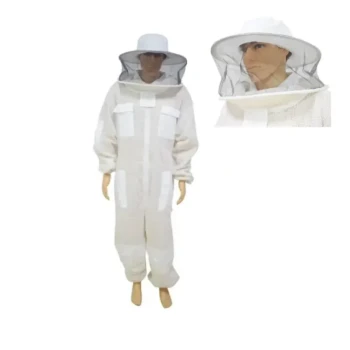
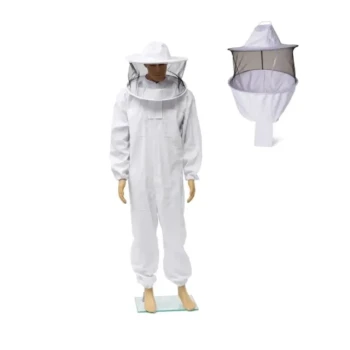
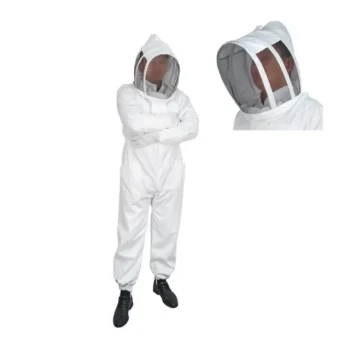
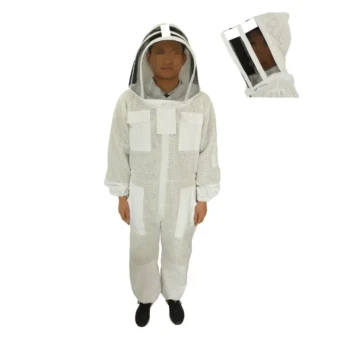
A full, head-to-toe bee suit is a closed system. With integrated zippers and elastic seals at the wrists and ankles, it creates an unbroken barrier. It has one function: to eliminate entry points.
By removing the variable of a potential breach, the suit frees your mind. It allows you to focus on the hive, not on your gear. This state of calm is the optimal environment for learning. It is the foundation of confidence.
The Bee Jacket: An Open System with a Critical Flaw
A bee jacket is an open system. It is designed to integrate with another component—your own pants. This introduces a critical point of failure: the gap at your waist.
A single bee that finds this gap and begins crawling up your back is more terrifying than a cloud of them outside your veil. That one bee can instantly end an inspection, shatter your confidence, and create a negative feedback loop of fear that poisons future experiences. For a beginner, this vulnerability is not a reasonable risk.
The Unknown Variable: Your Own Biology
Most new beekeepers have never been stung multiple times in a single day. You do not have the data to know how your body will react to bee venom.
Starting with a bee jacket is like running an experiment with no safety controls. The responsible protocol is to begin with maximum protection—a full suit—until you have gathered enough data to understand your personal tolerance. Only then can you make an informed decision about trading security for comfort.
The Trade-Off Matrix
Every equipment choice involves trade-offs. But for a novice, the weights of these factors are different.
| Factor | Full Bee Suit | Bee Jacket |
|---|---|---|
| Psychological State | Calm, focused, confident | Anxious, distracted, vulnerable |
| Primary Function | Eliminates fear to enable learning | Provides basic upper-body protection |
| System Integrity | Closed loop; no entry points | Open loop; critical failure point at the waist |
| Best Use Case | The entire first season of learning | Quick, 5-minute checks by a seasoned expert |
This same logic extends to gloves. Thick leather gloves reduce dexterity but build confidence by eliminating the fear of stings to the hands. They are the right choice for a beginner.
Your First Season's Mandate
Your goal in your first year is not to be the most comfortable beekeeper. Your goal is to become a competent one. Competence is born from calm, deliberate practice, free from the paralyzing distraction of fear.
The full bee suit is not just a piece of clothing. It is an environment for learning. It is a tool that allows you to fail safely, to learn the bees' rhythms, and to build a foundation of quiet confidence that will serve you for years to come.
Professional apiaries and commercial beekeepers understand that reliable, well-designed equipment is non-negotiable. It is the bedrock of safe and productive work. At HONESTBEE, we supply this professional-grade gear, ensuring that every suit, jacket, and tool meets the standards required for those who work with bees day in and day out. Build your practice on a foundation of quality.
Visual Guide
Related Products
- Premium Three Layer Ventilated Bee Suit with Round Veil
- Professional Cotton Beekeeper Suit with Round Veil Design for Commercial Apiaries
- Premium Cotton Beekeeper Suit with Reinforced Fencing Veil
- Professional Beekeeper Suit with Square Folding Cotton Veil
- Professional Beekeeping Suit for Kids and Girls Childrens Bee Keeper Suit
Related Articles
- How to Choose Between Full and Partial Bee Suits: A Safety and Efficiency Guide
- The Physics of a Wasp Sting: Deconstructing Bee Suit Effectiveness
- The Scent of Danger: Why Bee Suit Maintenance is About Pheromones, Not Just Dirt
- How to Choose and Maintain a Bee Suit That Actually Prevents Stings
- The Confidence Barrier: Why Your First Bee Suit Is About Psychology, Not Just Protection