It's the end of a long, sticky day of harvesting. Your high-speed uncapping knife has processed hundreds of frames, and the extractor is humming. But as you look at the pile of discarded wax cappings, you see they are heavy and dripping with honey. Then you glance at the extracted frames and notice them, too: those frustrating low spots and uneven corners, still sealed with wax, their valuable contents untouched.
Frame after frame, this small, "acceptable" loss adds up. You’re working harder, not smarter, and leaving a significant portion of your profits locked in the comb.
The High Cost of the "Speed-Only" Approach
In a commercial apiary, throughput is king. The logic is simple: the faster you can uncap and extract, the more profitable you are. This leads many large-scale operations to rely exclusively on heated knives or automated uncappers, treating any missed honey as an unavoidable cost of doing business.
To compensate, you might try a few things:
- You accept the loss: You tell yourself the missed 5-10% of honey is just part of the process. But across a 500-hive operation, this can equate to hundreds of pounds—and thousands of dollars—of lost revenue each season.
- You get aggressive with the knife: You press harder, trying to shave deeper. This often gouges the delicate comb, increasing the wax-to-honey ratio, which clogs filters and increases processing time. It also means bees must spend precious energy and resources rebuilding damaged comb instead of making more honey.
- You run frames through twice: This doubles your extraction time and energy costs for diminishing returns, creating a major bottleneck in your workflow.
These aren't solutions; they're compromises that directly erode your bottom line. They stem from a fundamental misunderstanding of the problem.
It’s Not Your Technique, It’s Geometry
The problem isn't your tool or your team's skill. The root cause is the simple, unchangeable reality of a honeycomb: it is not perfectly flat.
A honeycomb is a natural structure, full of subtle dips, valleys, and imperfections. An uncapping knife, by its very design, is a straight-edged tool built to glide across a flat plane.
When a flat knife meets an uneven surface, it will inevitably skim over the low spots. It’s a matter of pure geometry. No amount of speed or pressure can change this without causing collateral damage to the comb structure. The "speed-only" method fails because it applies a one-size-fits-all solution to a non-uniform problem. It treats the symptom (capped honey) while ignoring the cause (uneven comb surfaces).
The Professional's Tool for Maximum Yield
To solve this geometric problem, you don’t need a faster knife—you need a tool designed for precision. You need a tool that can reach into those valleys and target individual cells without shredding the surrounding comb.
This is where the uncapping fork transforms from a "hobbyist tool" into a professional's secret weapon for maximizing profit.
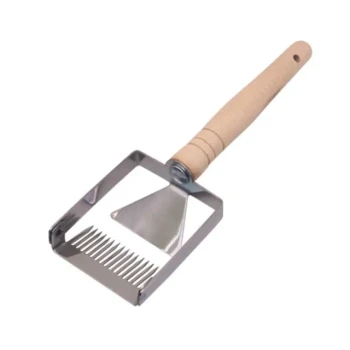
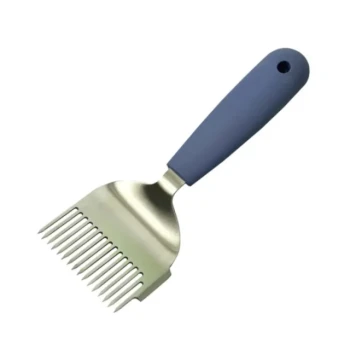
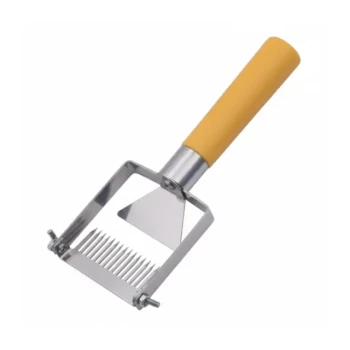
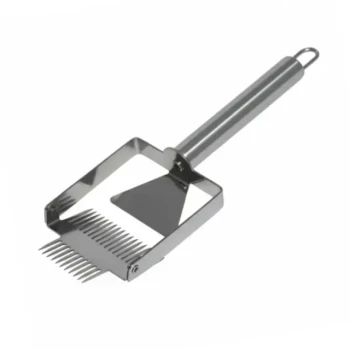
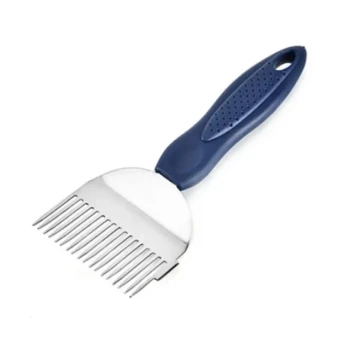
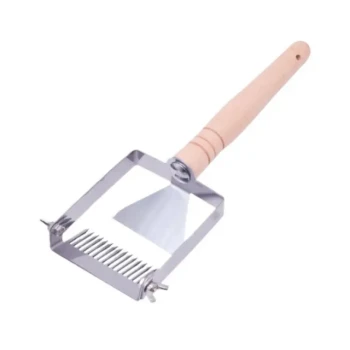
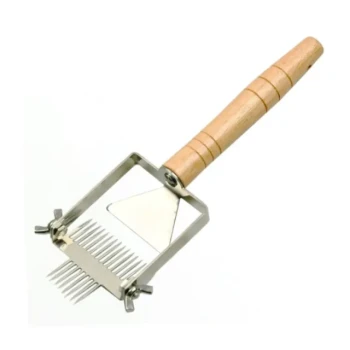
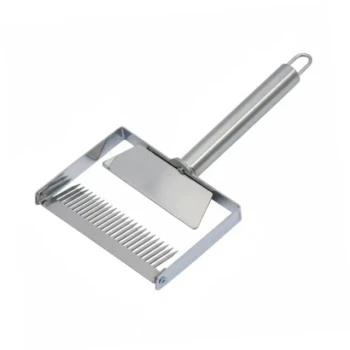
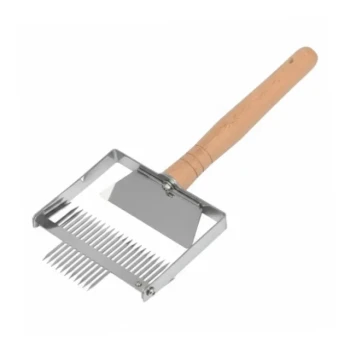
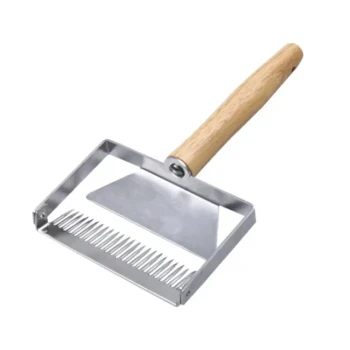
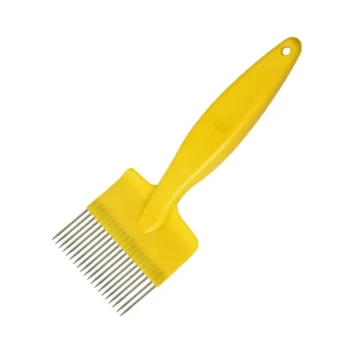
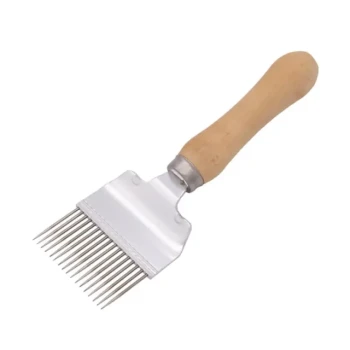
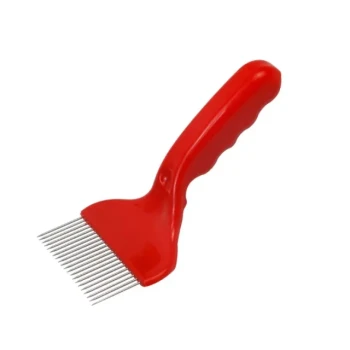
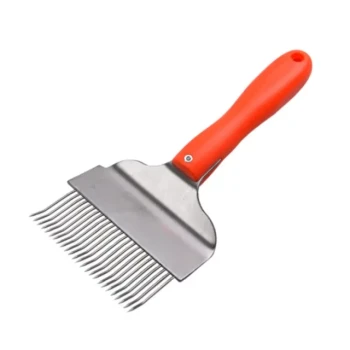
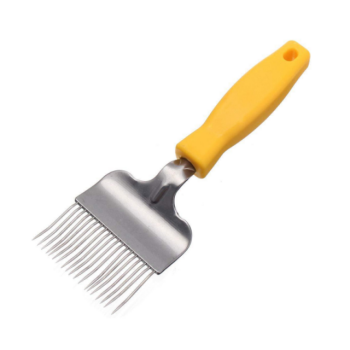
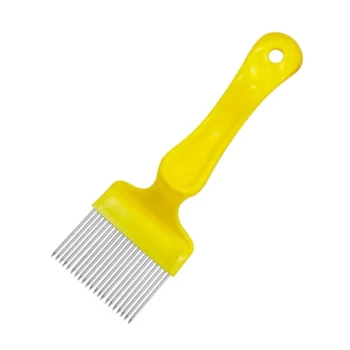
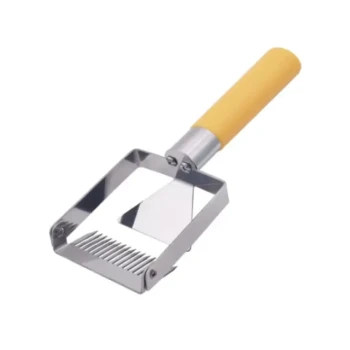
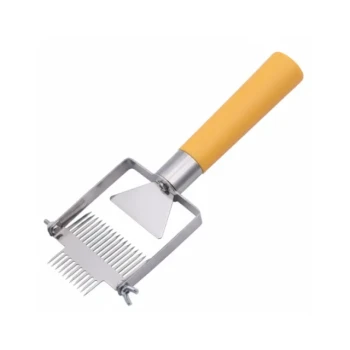
HONESTBEE’s professional-grade uncapping forks are engineered not to replace your knife, but to perfect your process. They are the ideal instrument to finish the job your knife starts. By integrating a fork into your workflow for quick cleanup, you directly address the root cause of lost honey:
- Targeted Precision: The sharp, slender tines slide effortlessly under the cappings in low spots that a knife glides right over.
- Comb Preservation: Instead of slicing away the structure, the fork gently lifts the cappings, preserving the integrity of the drawn-out comb. This saves your bees weeks of work and ensures a faster turnaround for the next nectar flow.
- Cleaner Honey: By cleanly lifting cappings, you minimize the amount of wax that ends up in your honey, reducing the load on your filters and speeding up your post-extraction processing.
The uncapping fork isn't a step backward in efficiency. It's a small step that delivers an outsized return on investment by ensuring you get paid for every drop of honey your bees produce.
From Recovered Honey to a More Resilient Business
When you stop leaving money on the table, you unlock new potential for your entire operation. Solving the uncapping challenge isn't just about recovering a bit more honey; it's about building a more efficient, profitable, and resilient beekeeping business.
With a complete uncapping system, you can:
- Dramatically Increase Revenue: Recovering that "lost" 5-10% of honey from every frame translates directly into thousands of dollars of additional, pure-profit revenue per season.
- Boost Operational Efficiency: Healthier combs mean happier bees and less downtime. Cleaner initial honey means faster filtering and bottling. Your entire workflow becomes smoother and less costly.
- Implement Proactive Hive Management: The fork is also the essential tool for performing Varroa mite checks in drone brood. What was once a chore becomes an integrated, efficient part of your management routine, protecting your most valuable assets—your colonies—from a devastating threat.
Ultimately, precision isn't the enemy of speed; it's the key to profitability. Equipping your operation with the right tools for both speed and detail work is the hallmark of a top-tier commercial apiary.
Your operation deserves professional-grade equipment designed for the realities of commercial beekeeping. Let our team show you how the right tools can seal the profit leaks in your workflow and strengthen your business from the hive to the honey house. To discuss your apiary or distribution needs, Contact Our Experts.
Visual Guide

Related Products
- Professional Stainless Steel Uncapping Fork with Wooden Handle
- Professional Multi-Function Uncapping Fork with Ergonomic Rubber Grip
- Adjustable Stainless Steel Honey Uncapping Fork with Plastic Handle for Beekeeping
- All Stainless Steel Double Sided Pivoting Honey Uncapping Fork
- Professional Multi-Function Uncapping Fork with Integrated Blade for Beekeeping
Related Articles
- How Uncapping Forks Protect Honeycombs and Reduce Beekeeping Costs
- The Uncapping Fork: Precision Over Pace in Honey Extraction
- Precision in the Apiary: The Unsung Virtues of the Uncapping Fork
- Precision Over Pace: The Economic Logic of the Uncapping Fork
- Precision Over Pace: The Strategic Role of the Uncapping Fork in Honey Harvesting