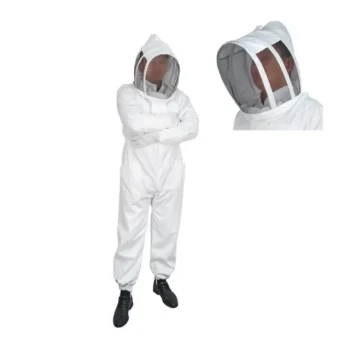
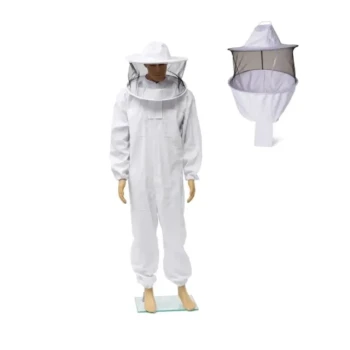
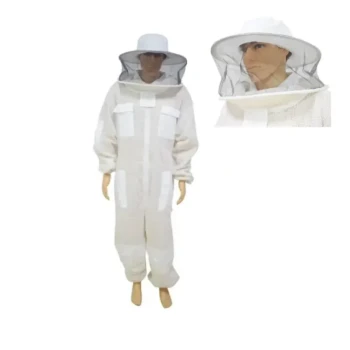
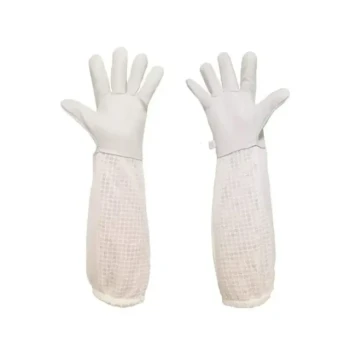
A full beekeeping suit is most strongly recommended for beginner beekeepers. Because novices often do not yet know if they have a severe allergy to bee venom, a suit providing head-to-toe coverage offers a necessary safety net while they gain experience.
Core Insight: A full suit serves two distinct functions: it acts as a critical fail-safe for beginners unsure of their physiological reaction to stings, and it provides a "maximum defense" mode for experienced apiarists handling aggressive genetics or performing intrusive work.
The Critical Role of Protection for Novices
Mitigating Unknown Allergy Risks
The primary reason a full suit is the standard for new beekeepers is the uncertainty of allergic reactions. Until you have been stung, you cannot be certain how your body will react.
A full-body suit covers the operator from head to ankle. By including an integrated veil and elastic seals at the wrists and ankles, it ensures a secure barrier against stings during this vulnerable learning phase.
Reducing Anxiety and Hive Agitation
Bees are highly sensitive to their environment and can sense tension in the operator. Beginners are naturally prone to nervousness, which can inadvertently agitate the colony.
The psychological security provided by a full suit allows the beekeeper to remain calm. A calm beekeeper leads to smoother movements, which helps keep the bees docile during inspections.
Situational Use for Experienced Beekeepers
Handling Aggressive Genetics
While experienced beekeepers may use lighter gear for quick tasks, a full suit remains essential when managing uncooperative or defensive colonies.
If you suspect a hive has aggressive genetics, such as Africanized traits, maximum protection is non-negotiable. In these scenarios, the suit is used to prevent mass stinging events rather than just for peace of mind.
Duration of Exposure
The choice of gear often dictates the length of the task. For quick, non-intrusive checks, a pro might skip the full suit.
However, for long and detailed hive inspections, full coverage is recommended. The longer the hive is open, the higher the probability of agitation; a full suit protects you against the escalating risk of a lengthy session.
Understanding the Trade-offs
The Heat Factor
The significant disadvantage of a full beekeeping suit is poor ventilation. Standard fabrics can become incredibly hot during summer inspections, leading to rapid perspiration and potential heat exhaustion.
If you live in a warm climate, this trade-off can be mitigated by investing in suits made from special ventilated fabrics, though these are often more expensive.
Mobility vs. Protection
A full suit prioritizes safety over dexterity. The bulk required to make the suit sting-proof can limit your range of motion and tactile feedback.
Beekeepers often find that fine motor tasks are more difficult in a full suit. You are essentially trading the ease of movement for a guarantee of safety.
Making the Right Choice for Your Goal
Whether you are a hobbyist or managing multiple hives, the decision to wear a full suit should be based on your current task and comfort level.
- If your primary focus is Starting Out: Wear a full suit exclusively until you confirm you are not allergic and have mastered calm hive handling.
- If your primary focus is Safety Management: Utilize a full suit whenever you are working with unknown swarms or hives that have shown previous aggression.
- If your primary focus is Comfort in Heat: Acknowledge the ventilation limits of standard suits and specifically seek out ventilated, multi-layer mesh options.
Ultimately, the full suit is a tool for confidence, allowing you to focus on the bees rather than the fear of the sting.
Summary Table:
| User Type | Recommended Protection | Primary Benefit | Key Consideration |
|---|---|---|---|
| Beginner | Full Beekeeping Suit | Maximum sting prevention & allergy safety | Builds confidence; prevents panic |
| Professional | Task-Dependent (Suit/Jacket) | Efficiency & protection from aggressive hives | Necessary for long inspections |
| Commercial | Heavy-duty / Ventilated Suit | Safety during high-volume, repetitive work | Heat management is critical |
| Hobbyist | Full Suit or Veil/Jacket | Versatile protection for backyard hives | Mobility vs. safety trade-off |
Elevate Your Apiary Safety with HONESTBEE
Whether you are a commercial apiary scaling operations or a distributor looking to supply the highest quality protective gear, HONESTBEE is your trusted partner. We provide a comprehensive wholesale range, including everything from ventilated full suits and beekeeping tools to advanced honey-filling machinery and honey-themed cultural merchandise.
Don't compromise on the safety and efficiency of your beekeeping operations. Let us help you equip your team or customers with industry-leading hardware and consumables tailored for success.
Contact HONESTBEE Today to Discuss Wholesale Opportunities
Related Products
- Premium Cotton Beekeeper Suit with Reinforced Fencing Veil
- Professional Cotton Beekeeper Suit with Round Veil Design for Commercial Apiaries
- Professional Beekeeper Suit with Square Folding Cotton Veil
- Professional Beekeeping Suit for Kids and Girls Childrens Bee Keeper Suit
- Three-Layer Ventilated Beekeeper Suit with Structured Fencing Veil
People Also Ask
- What material and design specifications are recommended for a high-quality beekeeper suit? Top Gear Selection Guide
- How to Pre-treat Propolis Stains on Beekeeping Suits? Master Advanced Fabric Care and Soil Removal
- What features should be considered for sting protection in a beekeeping suit? Ensure Total Safety and Comfort
- What are the differences between full suits and jackets with veils in beekeeping? Choose Your Best Protection
- What features should be looked for in a beekeeping suit for maximum comfort? Prioritize Ventilation and Fit