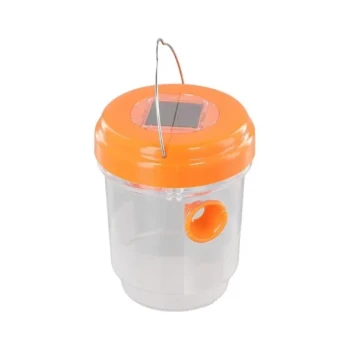
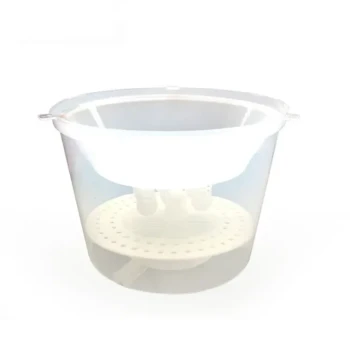
Ultraviolet (UV) light traps function as a critical defensive barrier in honey processing facilities by exploiting the specific biological attraction of Small Hive Beetles to light at approximately the 390nm wavelength. These high-intensity traps effectively lure and capture both wandering larvae and adult beetles as they emerge from stored frames, intercepting them before they can contaminate the facility or the honey supply.
By targeting the visual spectrum most attractive to Small Hive Beetles, UV traps serve as a non-chemical control method that prevents pests from establishing in warehouses, thereby safeguarding honey from the fermentation-causing yeasts carried in beetle excrement.
The Mechanism of Attraction
Targeted Wavelengths
Research indicates that Small Hive Beetles are highly sensitive to specific light spectrums. The most effective traps emit UV light at a wavelength of approximately 390nm.
This specific frequency triggers an instinctive flight or movement response in the beetles, drawing them away from the honeycomb and into the trap mechanism.
Intercepting Multiple Life Stages
Unlike some pest control methods that target only adults, high-intensity UV traps are attractive to both adult beetles and wandering larvae.
This is crucial because larvae often leave the hive frames to pupate, making them vulnerable to capture during this transition phase.
Strategic Application in Facilities
Protecting Extraction and Storage Zones
The primary deployment of these traps is within honey extraction plants and warehouse storage areas.
Beetles frequently hide within stored hive frames. As they emerge from these frames, the high-intensity UV light lures them immediately, acting as a sentinel to keep the surrounding environment pest-free.
Reducing Secondary Contamination Risk
The capture of these beetles is about more than just physical removal; it is a matter of chemical purity.
Small Hive Beetle excrement contains specific yeasts that cause honey to ferment and spoil. By trapping the beetle before it can interact with the processed honey or processing equipment, the facility prevents the introduction of these spoilage agents.
Understanding the Trade-offs
UV Light is Not a Standalone Cure
While UV traps are effective at capturing airborne or wandering beetles, they cannot sanitize an environment that is already compromised by poor hygiene.
Larvae can survive and reproduce in beeswax scraps and waste residues left on floors or equipment. UV traps must be paired with strict sanitation protocols to be effective.
Line of Sight Limitations
UV traps rely on visual attraction. If beetles are buried deep within stacked boxes or obscured by equipment, the light will not reach them.
Therefore, traps must be positioned strategically to maximize visibility for emerging pests.
Making the Right Choice for Your Goal
To effectively manage Small Hive Beetles in a processing environment, consider the following approach:
- If your primary focus is Pest Exclusion: Install high-intensity 390nm UV traps near storage areas to intercept beetles immediately as they emerge from frames.
- If your primary focus is Hygiene Standards: Combine UV trapping with automated processing and strict waste removal to eliminate the wax scraps where larvae thrive.
Ultraviolet traps provide a powerful, non-toxic layer of security, but they function best as the active component of a comprehensive facility hygiene protocol.
Summary Table:
| Feature | Specification/Benefit |
|---|---|
| Optimal Wavelength | Approximately 390nm (UV spectrum) |
| Target Pests | Adult Small Hive Beetles & wandering larvae |
| Primary Function | Non-chemical pest interception and exclusion |
| Key Prevention | Stops honey fermentation caused by beetle-carried yeasts |
| Strategic Location | Extraction plants, storage warehouses, and frame areas |
| Synergy | Most effective when paired with strict sanitation protocols |
Secure Your Honey Production with HONESTBEE Professional Solutions
Protecting your honey from Small Hive Beetle contamination requires precision-engineered equipment and a proactive defense strategy. HONESTBEE specializes in supporting commercial apiaries and distributors with a full spectrum of professional beekeeping tools and industrial machinery.
Whether you need advanced honey-filling machines to streamline production or specialized hardware to maintain facility hygiene, we provide the wholesale expertise you need to scale your business safely. Our comprehensive portfolio ensures that your honey stays pure and your facility remains efficient.
Ready to elevate your honey processing standards?
Contact our expert team today to discuss your wholesale equipment needs.
References
- Peter Neumann, Marc Oliver Schäfer. Quo vadis Aethina tumida? Biology and control of small hive beetles. DOI: 10.1007/s13592-016-0426-x
This article is also based on technical information from HonestBee Knowledge Base .
Related Products
- Reusable Aluminium Beetle Trap for Small Hive Beetles Silver Bullet
- Removable Washable Hive Beetle Trap Attractants for Small Hive Beetles
- Reusable Clear Small Hive Beetle Traps for Beehives Beetle Trapping Tools
- Black Plastic Beetle Barn Hive Beetle Trap for Beehives
- Plastic Beetle Blaster Trap Beekeeping Tools and Supplies
People Also Ask
- How should powdered substances be used in beetle traps for hive beetle control? Expert Guide for Maximum Colony Protection
- Why are beetle traps less effective during winter? Seasonal Shifts in Pest Control Explained
- When is the best time to use small hive beetle traps in cold climates? Protect Your Honeybee Winter Stores Now
- When and how should disposable traps for small hive beetles be removed? Master Hive Hygiene and Efficiency
- How do small hive beetle traps contribute to colony management? Enhance Diagnostic Accuracy and Protect Hive Health