Proactive queen replacement is the primary method of queen-focused swarm prevention. By removing the established queen and introducing a young, new queen—typically in the spring—beekeepers effectively override the colony’s instinct to split and relocate.
Swarming is a reproductive instinct that requires the direction of an established leader. Replacing an older queen with a new one "resets" this biological drive, as a newly introduced queen is focused on acclimating to the hive rather than initiating a departure.
The Mechanics of Requeening
Disrupting the Leadership
A honey bee colony generally will not swarm without the specific direction of the queen. When you remove the old queen, you remove the catalyst for the swarming event.
The Acclimation Factor
New queens are significantly less likely to swarm than established ones. Because a new queen must focus her energy on acclimating to the colony and establishing her brood pattern, the biological impulse to leave the hive is suppressed.
Timing the Replacement
This strategy is most effective when executed in the spring. This aligns with the natural build-up of the colony, preempting the period when overcrowding usually triggers the swarm instinct.
Common Pitfalls: Ineffective Mechanical Barriers
The Limitations of Wing Clipping
Some beekeepers clip a queen's wings to prevent her from flying, hoping this stops the swarm. While this may temporarily stop the colony from leaving with the old queen, it does not remove the swarm instinct itself.
Eventually, the colony will simply swarm with a new virgin queen once she emerges. This makes wing clipping a short-term delay rather than a true prevention strategy.
The Failure of Entrance Excluders
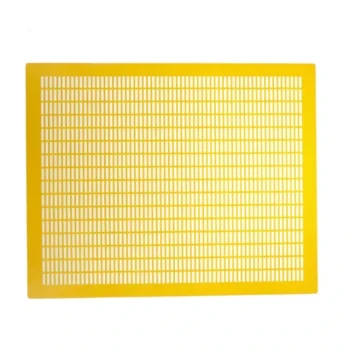
Placing a queen excluder at the hive entrance to trap the queen is generally ineffective and risky. Workers can often starve or "slim down" the queen until she fits through the mesh.
Furthermore, these excluders can be clogged by drones trying to exit. This blockage reduces overall hive ventilation and efficiency, potentially stressing the colony further.
Supporting the Queen with Space Management
Reducing Laying Pressure
Even with a new queen, swarming can be triggered if there is no room to lay eggs. Providing deep boxes and honey supers ensures the queen has adequate space, reducing the congestion that prompts swarming.
Reversing Hive Bodies
In late winter or early spring, bees naturally move upward, leaving the bottom box empty. By reversing the boxes—moving the overcrowded top box to the bottom—you encourage the bees to expand upward into the empty space.
This manipulation gives the queen immediate access to fresh laying territory. It relieves the internal pressure of the hive without requiring new equipment.
Making the Right Choice for Your Goal
While requeening is a powerful tool, it works best when combined with proper spatial management.
- If your primary focus is absolute swarm prevention: Proactively replace the queen in the spring to utilize the natural reluctance of a new queen to swarm.
- If your primary focus is colony health and efficiency: Avoid mechanical restrictions like wing clipping or entrance excluders, as these stress the hive and offer only temporary solutions.
- If your primary focus is supporting the queen's productivity: Reverse brood boxes and add supers early to prevent overcrowding from triggering the swarm instinct in the first place.
Successful swarm management relies on aligning your actions with the natural biological drives of the queen and her colony.
Summary Table:
| Strategy Type | Method | Effectiveness | Primary Benefit |
|---|---|---|---|
| Queen Management | Proactive Requeening | High | Resets biological drive; young queens rarely swarm. |
| Spatial Management | Reversing Hive Bodies | Medium-High | Relieves congestion and provides fresh laying space. |
| Space Expansion | Adding Honey Supers | Medium | Reduces laying pressure and prevents overcrowding. |
| Mechanical Barrier | Wing Clipping | Low | Temporary delay; does not stop the instinct to swarm. |
| Mechanical Barrier | Entrance Excluders | Very Low | Risk of hive stress and drone blockage; ineffective. |
Scale Your Apiary Operations with HONESTBEE
Managing swarms is critical for maintaining high-yield honey production and colony health. At HONESTBEE, we empower commercial apiaries and distributors with the professional-grade tools needed to manage large-scale operations efficiently. From specialized hive-making and honey-filling machinery to high-quality beekeeping consumables, our comprehensive wholesale offering is designed to optimize your workflow.
Whether you are expanding your commercial hive count or sourcing reliable equipment for your distribution network, HONESTBEE provides the hardware and expertise to help you succeed.
Ready to upgrade your beekeeping equipment? Contact us today to discuss our wholesale solutions and how we can support your business growth!
Related Products
- JZBZ Langstroth Queen Rearing Frame for Beekeeping
- JZBZ Type Wide Base Plastic Queen Cell Cups for Base Mounting and Queen Rearing
- Metal Queen Bee Excluder for Beekeeping
- Brown Nicot Queen Cell Cups for Breeding Queen Bees Beekeeping
- No Grafting Queen Rearing Kit: System for Royal Jelly Production and Queen Rearing
People Also Ask
- Why use finishing colonies for queen cell capping? Secrets to Superior Queen Quality and Performance
- How do queen rearing frames and grafting needles function together? Master the Doolittle Method for High-Quality Queens
- What is the purpose of queen rearing frames? Master Controlled Queen Production for Your Apiary
- What are the functions of queen rearing frames and artificial queen cells? Master Bee Genetic Improvement
- What roles do professional queen rearing frames and artificial queen cells play? Scaling Your Queen Bee Production