The structure and management of colonized hives act as a critical variable in determining the final chemical composition of honey. While the baseline mineral content is primarily dictated by the botanical origin (pollen) and local soil conditions, the materials used to construct the hive and the management of the surrounding agricultural environment can introduce specific trace elements that alter the honey's physicochemical profile.
Although the fundamental mineral profile of honey is derived naturally from the ecosystem, the hive acts as a secondary contact point. Poor management decisions regarding construction materials and proximity to agricultural chemicals can unintentionally modify the honey's purity by introducing foreign trace elements.
The Role of Hive Construction
Direct Contact and Material Leaching
The materials selected for building a hive are not chemically inert. As the primary reference indicates, the specific materials used in construction can introduce trace elements into the honey through direct contact.
When honey is stored within the comb, it interacts with the physical structure of the hive. This interaction can lead to the migration of chemical compounds or minerals from the hive walls into the food store, affecting the honey's physicochemical indicators.
Sensory and Chemical Alterations
Beyond mineral content, the choice of material influences the sensory experience of the final product. For example, hives constructed from white pine are known to impart a fresh scent and a subtle woody note to the taste.
This sensory change serves as evidence that volatile compounds and trace elements transfer from the hive structure to the honey. Beekeepers must recognize that the hive is not just a container, but an active participant in the honey's maturation.
Management of the Foraging Environment
Controlling Chemical Exposure
Management extends beyond the physical box to the placement of the apiary. The primary reference highlights that agricultural chemicals used nearby are a major source of contamination.
Bees are foragers that bring environmental elements back to the colony. If the hive is managed in an area with heavy chemical usage, bees will introduce these foreign trace elements into the honey during production.
The Impact of Soil and Pollen
It is crucial to remember that the hive management creates the context, but nature provides the raw materials. The foundational minerals in honey originate from the soil and pollen available in the foraging radius.
However, the "controlled environment" of the colonized hive must be managed to ensure these natural minerals are not overshadowed or chemically altered by pollutants introduced through poor location selection.
Understanding the Trade-offs
Durability vs. Purity
When selecting hive materials, there is often a trade-off between structural durability and chemical neutrality. Some treated materials may last longer outdoors but pose a higher risk of leaching unwanted trace elements into the honey.
Location Convenience vs. Contamination Risk
Placing hives directly adjacent to agricultural fields offers convenience for pollination services. However, this management decision increases the risk of the honey absorbing agricultural runoff or airborne chemicals, thereby compromising its mineral purity.
Compartmentalization and Yield
Modern hive designs often use compartmentalization to separate the brood from the honey super. While this supports sustainability and reduces colony stress, it does not inherently prevent mineral contamination if the construction materials themselves are the source of the issue.
Making the Right Choice for Your Goal
To optimize the quality of your honey, you must align your hive management practices with your specific production goals.
- If your primary focus is Purity and Natural Mineral Content: Prioritize untreated, non-reactive hive materials and locate hives far from industrial agriculture to prevent chemical trace element introduction.
- If your primary focus is Unique Sensory Profiles: Experiment with specific wood types like white pine for hive construction, understanding that this will alter the taste and potentially the chemical composition of the honey.
- If your primary focus is Sustainability: Utilize compartmentalized hive designs to protect the brood, but remain vigilant about the materials used in the honey super to maintain chemical integrity.
The mineral fingerprint of your honey is a direct reflection of the environment you curate, from the soil the bees visit to the walls they live within.
Summary Table:
| Factor | Impact on Honey Quality | Key Considerations |
|---|---|---|
| Construction Materials | Can leach trace elements and alter sensory notes (e.g., white pine scent). | Use untreated, non-reactive materials for maximum purity. |
| Apiary Location | Proximity to chemicals introduces foreign minerals and pollutants. | Site hives away from heavy industrial or chemical agriculture. |
| Foraging Environment | Soil and pollen dictate the baseline mineral fingerprint. | Monitor local soil health and botanical diversity. |
| Hive Design | Compartmentalization protects brood but affects honey super contact. | Balance structural durability with chemical neutrality. |
Elevate Your Apiary's Purity with HONESTBEE
Maintaining the integrity of your honey's mineral profile starts with the right equipment. At HONESTBEE, we specialize in supporting commercial apiaries and distributors with high-quality, professional-grade beekeeping solutions.
Whether you need untreated hive-making machinery, precision honey-filling machines, or a full spectrum of beekeeping tools and consumables, our portfolio is designed to ensure your honey remains as pure as nature intended.
Ready to scale your operation with industry-leading equipment?
Contact HONESTBEE Today to explore our wholesale offerings and discover how we can enhance your production value.
References
- Nchedochukwu Clara Ikegbunam, Okwong John Walter. Physico-chemical properties and mineral content of Apis Mellifera L. honey samples sourced from different localities in Anambra and Enugu States, South-eastern, Nigeria. DOI: 10.47253/jtrss.v9i2.790
This article is also based on technical information from HonestBee Knowledge Base .
Related Products
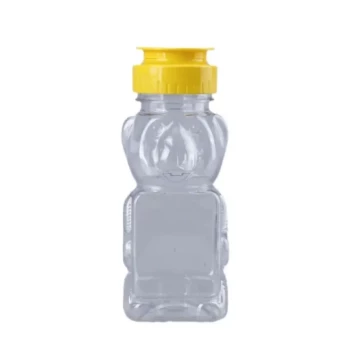
- Classic Honey Bear Jars with Flip Top Dispensing Cap for Liquid Sweeteners
- Economy Small Scale Honey Dryer Dehumidifier Thickening Machine
- Professional Plastic Honey Dipper for Easy Honey Drizzling
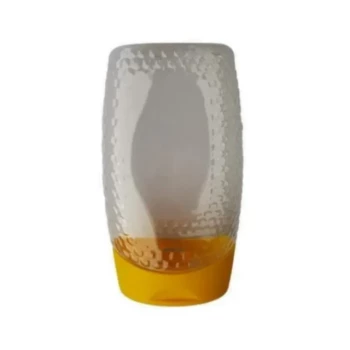
- Inverted Squeezable Honey Jar with No Drip Flip Top Cap for Easy Pouring
- Precision Honey Refractometer Instrument for Quality Assessment
People Also Ask
- What food safety standards must honey containers meet? Expert Guide to Packaging Integrity & Hygiene
- Why is it important to distinguish between weight and volume when selecting honey containers? Maximize Profits Now
- What are the benefits of purchasing honey containers in bulk? Maximize Margins & Secure Your Supply Chain
- What should be considered when choosing a container for honey to ensure effective sealing? Master Honey Packaging Success
- What is the best container to store honey in? Preserve Purity & Flavor for Years