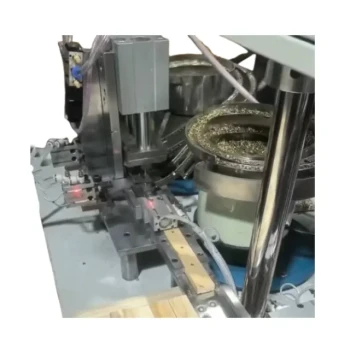
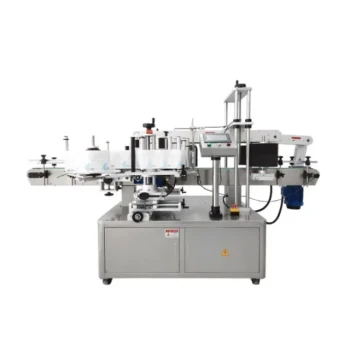
Automatic filling machines dramatically reduce production cycles by replacing limited manual labor with high-speed, continuous processing. While a manual workflow typically achieves only 300 to 500 bottles per hour, variable speed automatic systems can sustain rates of 1,000 to 2,000 bottles per hour. This capability allows facilities to meet aggressive market demands that are physically impossible for human workers to match.
Automation does not just increase speed; it stabilizes the entire production line. By moving from manual labor to automated systems, manufacturers can expect to increase throughput by up to 400% while simultaneously reducing the inconsistencies that lead to downtime.
The Mechanics of Throughput Acceleration
To understand how cycle times are reduced, we must look beyond simple speed settings. The efficiency gains come from eliminating the inherent bottlenecks of human labor.
Raw Processing Speed
The most immediate impact is the sheer volume of units processed. Primary data indicates that manual filling creates a hard ceiling on production, maxing out at roughly 500 units per hour.
Automatic systems shatter this ceiling. By utilizing variable speed technology, these machines operate between 1,000 and 2,000 bottles per hour, effectively quadrupling the potential output of a single station.
Removing Human Limitations
Manual filling is strictly limited by human stamina and availability. Production slows down as workers fatigue, and stops completely during breaks or shift changes.
Automated machines remove this dependency. They offer continuous operation capabilities that manual labor cannot sustain, ensuring that the production cycle remains active and consistent throughout the day.
Consistency as a Speed Multiplier
Speed is not just about how fast a bottle is filled; it is about how many correctly filled bottles reach the end of the line.
Eliminating Variance and Error
Manual filling often results in variability in fill levels. This inconsistency can trigger quality control rejections, requiring rework that slows down the overall cycle.
Automated systems offer very high consistency. By eliminating human error, every unit is filled to the precise specification, ensuring that the "speed" of the machine translates directly into usable inventory.
Rapid Changeovers
In manual setups, changing bottle sizes often requires physical adjustments and retraining the cadence of the worker.
Modern automatic machines are often programmable. This allows operators to switch between different container sizes quickly via software settings rather than lengthy mechanical re-tooling, keeping downtime to a minimum.
Understanding the Trade-offs
While the speed advantages are clear, transitioning to automation introduces new variables that must be managed to maintain that speed.
Maintenance Dependencies
Unlike manual labor, machines require scheduled maintenance to function correctly. Neglecting this can lead to mechanical failure, which brings the high-speed line to a total halt.
Technical Complexity
While manual systems are simple, automated systems are complex. They require a shift in workforce skills, moving from manual handling to machine operation and technical oversight.
Making the Right Choice for Your Goal
Deciding between manual and automatic processes depends on your specific production targets and resource capabilities.
- If your primary focus is High-Volume Throughput: Implement variable speed automatic systems to achieve 1,000 to 2,000 bottles per hour and satisfy high market demand.
- If your primary focus is Quality Assurance: Leverage automation to eliminate fill-level variability and reduce the cycle time lost to rework and error correction.
- If your primary focus is Cost Management: Consider that while automation lowers long-term labor costs, it requires an upfront investment and a strategy for routine maintenance.
Automation transforms filling from a variable, labor-dependent task into a predictable, high-velocity engineering process.
Summary Table:
| Feature | Manual Filling | Automatic Filling | Impact on Cycle Time |
|---|---|---|---|
| Processing Speed | 300 - 500 bottles/hr | 1,000 - 2,000 bottles/hr | Up to 4x faster output |
| Consistency | High variability/error | High precision | Reduces rework & downtime |
| Operation | Limited by fatigue/breaks | Continuous 24/7 | Eliminates human limitations |
| Changeovers | Manual mechanical re-tooling | Programmable settings | Minimizes transition downtime |
Scale Your Honey Production with HONESTBEE
Is your manual filling process holding back your growth? HONESTBEE empowers commercial apiaries and distributors with high-performance honey-filling machines and specialized beekeeping tools designed to maximize efficiency. From industrial-grade machinery to essential consumables, we provide everything you need to transition from manual labor to a high-speed, automated powerhouse.
Ready to quadruple your output and ensure perfect consistency?
Contact our experts today to find the right solution for your business!
Related Products
- Automatic Honey Filling and Filtering Machine for Beekeeping Bottle Filling
- Fully Automatic Honey Filling Packaging Machine for Processing Line
- Precision Automated Packaging Turntable Honey Spoon Filling Sealing Packing Machine
- Semi Automatic Small Honey Bottle Filling Machine Honey Filler
- Precision Durable Efficient HONESTBEE Rotary Honey Filling Machine
People Also Ask
- What process advantages do professional honey filtering and filling machines provide? Optimize Your Organic Honey Output
- How do honey filling and filtering machines increase product value? Turn Raw Honey into Premium Export-Grade Goods
- How do honey filtration and filling machinery contribute to industrialization? Scale Your Commercial Honey Production
- What specific issues do industrial filtration and automated filling machinery address? Ensure Honey Quality & Compliance
- How does the use of professional honey filtration and filling machinery facilitate international honey exports?