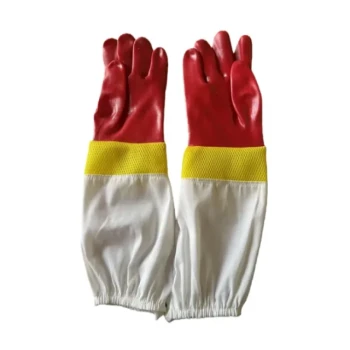
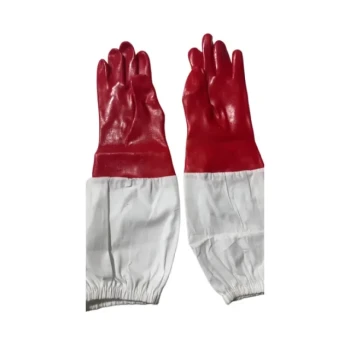
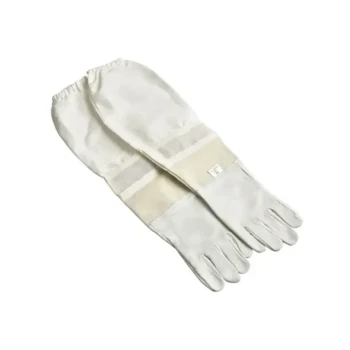
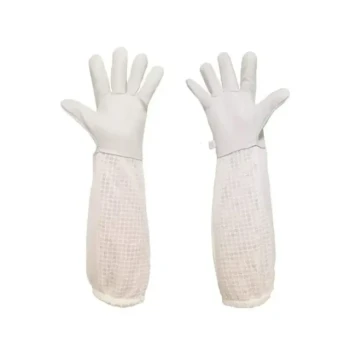
Beekeeping gloves balance safety and dexterity by utilizing specialized, flexible materials that resist stings while allowing for the precise manipulation of hive components. The design often incorporates long cuffs that fit securely beneath protective jackets to eliminate exposure at the wrist, ensuring that while the fingers remain agile, the vulnerable gap between the hand and the suit is fully sealed.
Core Takeaway The most effective beekeeping glove is not necessarily the thickest one, but the one that offers the best "tactile transparency." While heavy materials offer sting immunity, they sacrifice the sensory feedback required to handle bees gently; a loss of dexterity can lead to crushed bees, which releases alarm pheromones and actually increases the likelihood of a defensive hive response.
The Mechanics of Material and Design
Flexible Durability
Manufacturers use materials that are durable enough to act as a barrier but flexible enough to bend with your joints. The goal is to allow you to lift heavy frames and employ delicate prying motions with a hive tool without resistance from the fabric.
The Function of Long Cuffs
To compensate for lighter materials on the fingers, protection is reinforced at the wrists and forearms. Gloves typically feature long cuffs that extend toward the elbow.
Proper Integration with Gear
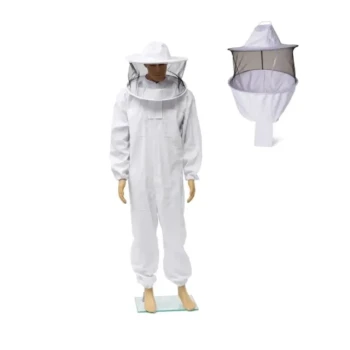
According to industry standards, these cuffs are designed to be worn under the sleeves of your beekeeping suit or jacket. This layering technique creates a shingle effect that prevents bees from crawling into the gap between the glove and the sleeve.
The Role of Fit in Precision
The Necessity of a Snug Fit
A glove that fits loosely creates folds of fabric that can trap or crush bees. High-dexterity options, such as nitrile gloves, are designed to fit snugly against the skin to mirror the hand's natural movements.
Enhancing Grip and Control
Some gloves incorporate textured fingertips or palms to counteract the slickness of materials like nitrile or smooth leather. This texture is vital for maintaining a grip on heavy, propolis-coated frames, reducing the risk of dropping equipment into the hive.
Understanding the Trade-offs
Protection vs. Clumsiness
There is an unavoidable inverse relationship between material thickness and manual sensitivity. Thick leather or canvas gloves are effectively impenetrable to stings, but they can make your hands feel clumsy and unresponsive.
The Consequence of Low Dexterity
While thick gloves protect your skin, they may endanger the colony. The lack of tactile feedback makes it difficult to feel if you are rolling or crushing a bee. Killing bees accidentally releases alarm pheromones, which can agitate the colony and turn a routine inspection into a chaotic event.
The Risk of High Dexterity
Conversely, ultra-thin gloves (like thin leather or nitrile) offer superior feedback and precision, allowing you to work faster and more gently. The trade-off is that these materials are not sting-proof; a determined bee can sting through them, particularly if the fabric is pulled tight against the skin.
Making the Right Choice for Your Goal
Selecting the right glove is about assessing your comfort level with bees against the task at hand.
- If your primary focus is maximum protection: Choose thick leather or canvas gloves with long gauntlets, knowing you must move slowly to compensate for reduced sensitivity.
- If your primary focus is hive health and precision: Opt for form-fitting nitrile or thin leather gloves that allow you to feel the bees, accepting a higher risk of occasional stings.
- If your primary focus is a quick, non-invasive check: Lighter gloves are generally sufficient, whereas full heavy-duty gear is better reserved for long, invasive inspections.
Finding the right balance often requires testing different materials to discover which allows you to work confidently without harming the hive.
Summary Table:
| Feature | High-Protection Gloves (Leather/Canvas) | High-Dexterity Gloves (Nitrile/Thin Leather) |
|---|---|---|
| Sting Resistance | Maximum (Nearly impenetrable) | Low to Moderate (Stings possible) |
| Tactile Feedback | Low (Difficult to feel bees) | High (Excellent sensory feedback) |
| Best Use Case | Invasive inspections; beginners | Routine checks; commercial efficiency |
| Colony Impact | Higher risk of crushing bees | Lower risk; gentler handling |
| Durability | High (Long-lasting) | Lower (May require frequent replacement) |
Elevate Your Apiary Operations with HONESTBEE
Are you looking to supply your commercial apiary or distribution network with the industry's most reliable beekeeping gear? HONESTBEE provides a comprehensive wholesale portfolio designed for professional success. From high-dexterity protective gloves that ensure hive health to industrial-grade honey-filling machines and hive-making equipment, we deliver the tools you need to scale your business.
Partner with HONESTBEE today for:
- Premium Wholesale Supplies: A full spectrum of tools, machinery, and consumables.
- Expert Engineering: Specialized hardware for honey processing and hive manufacturing.
- Cultural Merchandise: Unique honey-themed products to expand your retail reach.
Ready to enhance your efficiency and product quality? Contact us today to discuss your wholesale needs!
Related Products
- Beekeeping Gloves Goatskin Leather with Long Cotton Sleeve for Beekeepers
- Heavy Duty Red Rubber Beekeeping Gloves with Vented Mesh Cotton Sleeves
- Heavy Duty Red Rubber Beekeeping Gloves with Extended Pure Cotton Sleeves for Beekeepers
- Goatskin Leather Beekeeper Gloves with Vent Long Sleeve for Beekeeping Honey Bee Sting Proof Protection
- Premium Ventilated Goatskin Beekeeping Gloves with Full 3-Layer Mesh Sleeve
People Also Ask
- What are the characteristics of the best gloves for beekeeping? Choose Protection & Dexterity
- What are the primary purposes of using beekeeping gloves? Protect Your Hands and Ensure Apiary Hygiene
- What types of gloves are available for beekeeping? Choose the Right Protection for Your Hive
- Why is it important for beekeepers to wear gloves? Essential Safety and Confidence for Hive Management
- Why do some experienced beekeepers opt not to wear gloves? Discover the Benefits of Tactile Precision