The best gloves for beekeeping are defined by a critical balance: they must offer robust protection against stings while maintaining high dexterity for handling delicate equipment. To achieve this, the ideal glove features a snug fit, durable yet flexible material like goatskin or cowhide, and extended cuffs (gauntlets) that seal securely against your suit.
Core Insight: While immunity to stings is the primary goal, dexterity is the silent safety feature. Bulky gloves that cause clumsy handling can agitate the hive, paradoxically increasing the defensive behavior you are trying to avoid.
Selecting the Right Material
The material of the glove dictates the trade-off between sensitivity and shielding. You must choose based on the temperament of your bees and your comfort level.
Goatskin for Precision
Goatskin is widely regarded as a superior choice for general inspections. It is naturally thinner and more supple, providing the tactile feedback necessary to handle frames gently without crushing bees. However, you must verify the specific thickness; it must be substantial enough to stop a stinger while remaining flexible.
Cowhide for Maximum Security
If protection is your absolute priority, cowhide provides a thicker barrier than goatskin. It significantly reduces the risk of penetration but comes at the cost of reduced dexterity. This material is often stiffer, making fine motor movements more difficult.
Breathability Considerations
Working in an apiary often involves heat and physical exertion. Look for gloves that incorporate ventilated gauntlets or breathable cloth sections on the arm. This prevents sweat buildup, which can make hands slippery and uncomfortable during long inspections.
Fit and Functional Design
A glove that does not fit correctly is a safety hazard. The mechanics of the glove are just as important as the material itself.
The Necessity of a Snug Fit
Unlike beekeeping suits, which function best when baggy, gloves must fit snugly. Loose gloves can slide off the wrist or bunch up, creating folds where bees can get trapped or sting.
Avoiding Circulation Issues
While the fit must be secure, it should never be overly tight. A glove that restricts blood circulation will cause hand fatigue and reduce your ability to react quickly. You should test different sizes to find the "second skin" feel that allows for full range of motion.
Extended Gauntlets
The "hand" part of the glove is only half the equation. High-quality beekeeping gloves feature long gauntlets that extend up to the elbows. This design protects the forearms and acts as a bridge between your hands and your protective clothing.
System Integration
Your gloves must integrate seamlessly with your bee suit or jacket to ensure there are no gaps in your armor.
Creating the Seal
The primary entry point for a bee is the gap between the glove and the sleeve. Gloves typically feature elastic bands at the top of the gauntlet to hold them in place on the arm.
Layering Protocols
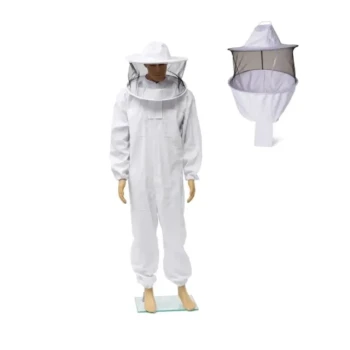
The interface between the glove and the suit is critical. Beekeepers generally layer the sleeves of the suit over the gloves, or tuck the glove cuffs under the suit, to prevent bees from crawling into the clothing. The goal is a shingle effect: ensuring water (or bees) flows over the layers, not into them.
Understanding the Trade-offs
No glove is perfect for every situation. Understanding the limitations of your gear allows you to work smarter.
The Dexterity Penalty
Thicker leather options (like cowhide) offer peace of mind but create a sensory disconnect. You may not feel if you are rolling a bee or gripping a frame too tightly, which can incite the colony.
The Durability vs. Feel Conflict
Thinner, supple gloves (like goatskin) feel better to work in but may wear out faster or offer slightly less protection against an aggressive hive compared to heavy-duty options.
Making the Right Choice for Your Goal
Select your gloves based on your experience level and the specific task at hand.
- If your primary focus is maximum protection (or you are a beginner): Prioritize thicker leather like cowhide with long, heavy canvas gauntlets to build confidence and ensure safety.
- If your primary focus is precision and hive management: Choose high-quality goatskin gloves that are verified for stinger resistance, ensuring a snug fit that allows you to feel the frames.
The perfect glove is one you can trust enough to forget you are wearing, allowing you to focus entirely on the bees.
Summary Table:
| Feature | Goatskin Gloves | Cowhide Gloves | Ventilated Gauntlets |
|---|---|---|---|
| Best For | Precision & Fine Tasks | Maximum Protection | Hot Climates/Long Use |
| Dexterity | High (Supple feel) | Moderate (Stiffer) | N/A (Focus on comfort) |
| Protection | Good | Excellent | High forearm coverage |
| Key Benefit | Reduced bee agitation | Confidence for beginners | Prevents hand sweat |
Elevate Your Apiary Operations with HONESTBEE
At HONESTBEE, we understand that the right gear is the backbone of a productive apiary. We cater specifically to commercial apiaries and global distributors, providing a comprehensive wholesale catalog that ranges from premium protective wear to industrial honey-filling machines and unique honey-themed merchandise.
Why partner with us?
- Unmatched Variety: Access the full spectrum of beekeeping tools and essential consumables in one place.
- Professional Grade: Our equipment is designed for durability and efficiency in high-volume environments.
- Scalable Solutions: We support your growth with reliable supply chains and specialized hardware like hive-making machinery.
Ready to equip your business with industry-leading beekeeping solutions? Contact us today to discuss our wholesale offerings and how we can support your success!
Related Products
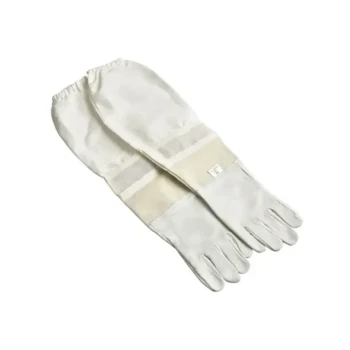
- Beekeeping Gloves Goatskin Leather with Long Cotton Sleeve for Beekeepers
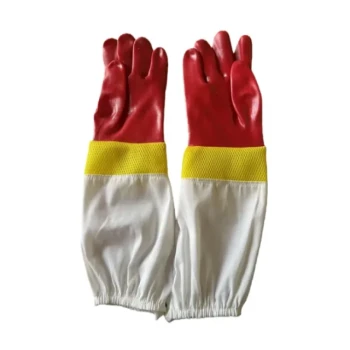
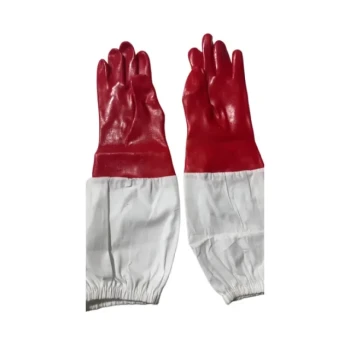
- Heavy Duty Red Rubber Beekeeping Gloves with Vented Mesh Cotton Sleeves
- Heavy Duty Red Rubber Beekeeping Gloves with Extended Pure Cotton Sleeves for Beekeepers
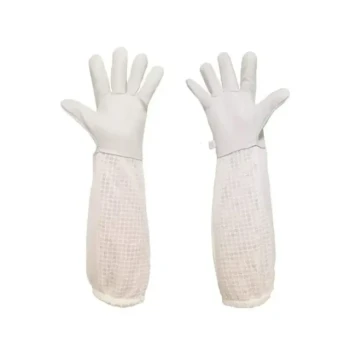
- Goatskin Leather Beekeeper Gloves with Vent Long Sleeve for Beekeeping Honey Bee Sting Proof Protection
- Premium Ventilated Goatskin Beekeeping Gloves with Full 3-Layer Mesh Sleeve
People Also Ask
- What are the primary purposes of using beekeeping gloves? Protect Your Hands and Ensure Apiary Hygiene
- What types of gloves are available for beekeeping? Choose the Right Protection for Your Hive
- Why is it important for beekeepers to wear gloves? Essential Safety and Confidence for Hive Management
- Why do some experienced beekeepers opt not to wear gloves? Discover the Benefits of Tactile Precision
- What types of gloves are used in beekeeping for hand protection? Choose the Best Gear for Safety and Dexterity