Beeswax and specialized baits function as potent chemical signaling agents that leverage a honeybee's acute olfactory senses to guide wild swarms into traps. These substances mimic the scent of established colonies and pheromone traces, convincing scout bees that a designated hive is a safe, proven location for a new nest.
For beekeepers and commercial apiaries, these attractants are essential tools for low-cost colony expansion and biological asset recovery. Offering a complete portfolio of these specialized lures allows distributors to provide high-value, high-efficiency solutions to a professional market.
The Biological Mechanism of Swarm Induction
Mimicking Natural Pheromones
Specialized baits often contain a blend of honey residue, sake, and sugar to create a complex aromatic profile. These ingredients simulate the chemical signature of previous colony activity, signaling to swarming bees that the environment is hospitable.
The Role of Beeswax as a Localization Signal
Beeswax acts as a primary secondary attractant by emitting natural scents characteristic of a healthy beehive. When applied to empty hives or hollow logs, it provides a strong localization signal for scout bees searching for a permanent nesting site.
Synergistic Effects with Synthetic Lures
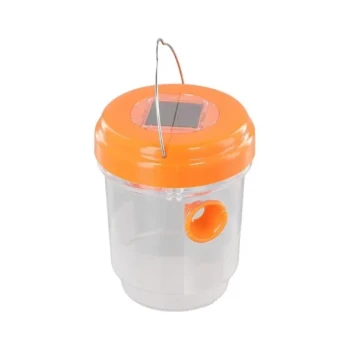
The most effective trapping systems combine natural beeswax with synthetic pheromones. This synergy increases the biological simulation of the trap, drastically raising the success rate of wild swarms voluntarily inhabiting the equipment.
Professional Tools for Scalable Colony Acquisition
Bait Hives and Structural Simulation
Professional beekeepers utilize bait hives as both production vessels and capture tools. By hanging these hives in strategic locations, operators can leverage the structural instincts of bees to expand their apiary count with minimal capital investment.
Specialized Swarm Catching Equipment
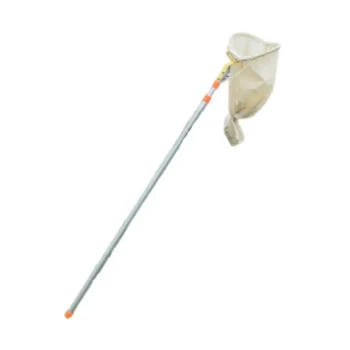
Beyond stationary traps, tools like Swarm Catching Sacks and Swarm Lures are critical for manual recovery. These tools allow for the rapid collection of newly formed clusters, preventing the loss of valuable biological assets to natural migration.
Efficiency in Apiary Expansion
Using specialized attractants turns swarm capture into a systematic process rather than a game of chance. This hardware support is critical for maintaining stable growth in commercial operations without relying on expensive market-based bee procurement.
Understanding the Trade-offs and Pitfalls
The Necessity of Expert Handling
While swarm trapping provides "free bees," the process can be intimidating for novices. It requires a deep understanding of bee behavior and timing, making these products most suitable for experienced professional beekeepers or those under expert guidance.
Environmental and Timing Dependencies
The success of attractants depends heavily on the migrating season and local flora. Distributors must be able to provide rapid response and ultra-fast delivery to ensure customers have their lures in place before the peak swarming window begins.
How to Apply This to Your Distribution Strategy
Selecting the Right Inventory for Your Market
As a professional partner, your goal is to provide a one-stop sourcing experience that covers the full spectrum of colony management.
- If your primary focus is low-cost apiary expansion: Prioritize high-volume bait hives and bulk beeswax coatings to facilitate autonomous swarm settling.
- If your primary focus is emergency asset recovery: Focus on stocking swarm catching sacks and high-potency synthetic lures for immediate field use.
By combining professional industry expertise with efficient order fulfillment, you ensure your clients can capture every opportunity during the critical swarming season.
Summary Table:
| Tool / Attractant | Primary Function | Key Benefit for Apiaries |
|---|---|---|
| Beeswax Coating | Natural Localization Signal | Mimics established hive scents to guide scout bees. |
| Specialized Baits | Pheromone Mimicry | Simulates colony history using aromatic honey residues. |
| Synthetic Lures | Biological Synergy | Drastically increases trap success rates via pheromones. |
| Swarm Catching Sacks | Manual Asset Recovery | Enables rapid collection of clusters in the field. |
| Bait Hives | Structural Simulation | Low-cost expansion through autonomous colony settling. |
Scale Your Distribution with HONESTBEE Professional Solutions
Ready to dominate the beekeeping market? HONESTBEE empowers distributors and B2B resellers with a comprehensive one-stop sourcing experience. From high-potency swarm lures and beeswax consumables to advanced honey-filling machinery, our full-spectrum portfolio is designed for maximum reliability and profit margins.
Why partner with us?
- Deep Industry Expertise: Professional-grade tools tailored for commercial apiaries.
- OEM/ODM Support: Customizable solutions to strengthen your brand identity.
- Rapid Fulfillment: Ultra-fast delivery to meet critical seasonal demands.
- Exceptional Service: Dedicated support to ensure seamless order management.
Don't let the swarming season pass you by. Contact our team today to access premium wholesale pricing and elevate your inventory with the industry's most trusted beekeeping hardware!
References
- 織部 合原, Oribe Gohara. 九州山村におけるニホンミツバチの養蜂 : 感覚・知覚を通した複数種間の交渉に着目して. DOI: 10.15002/00031860
This article is also based on technical information from HonestBee Knowledge Base .
Related Products
- HONESTBEE Collapsible Tiered Bee Swarm Catcher for Beekeeping
- HONESTBEE Professional Telescopic Pole Bee Swarm Catcher
- Reusable Clear Small Hive Beetle Traps for Beehives Beetle Trapping Tools
- Removable Washable Hive Beetle Trap Attractants for Small Hive Beetles
- Professional Bucket Style Wasp and Moth Pheromone Trap
People Also Ask
- What should be done if the swarm is situated on the bottom of a tree limb? A Guide to Methodical Bee Capture
- What role do swarm catchers play in maintaining the production scale of an apiary? Turn Colony Loss into Growth.
- What role does a Swarm Catcher play in the process of expanding apiary colony scale? Optimize Growth & Reduce Costs
- What precautions can be taken to prevent a newly captured swarm from absconding? Secure Your Swarm with Proven Methods
- What information should be gathered before attempting to catch a swarm of bees? A Safe and Successful Guide